

Feb 7, 2024
NYC Mandates Gas Detectors in Every Home Following Decade Old Explosions
Exciting changes are on the horizon for residential building owners in the vibrant city of New York. A recent initiative, arising from a series of past incidents, will require the installation of natural gas detectors in…

Traded Editorial
Exciting changes are on the horizon for residential building owners in the vibrant city of New York. A recent initiative, arising from a series of past incidents, will require the installation of natural gas detectors in all properties.
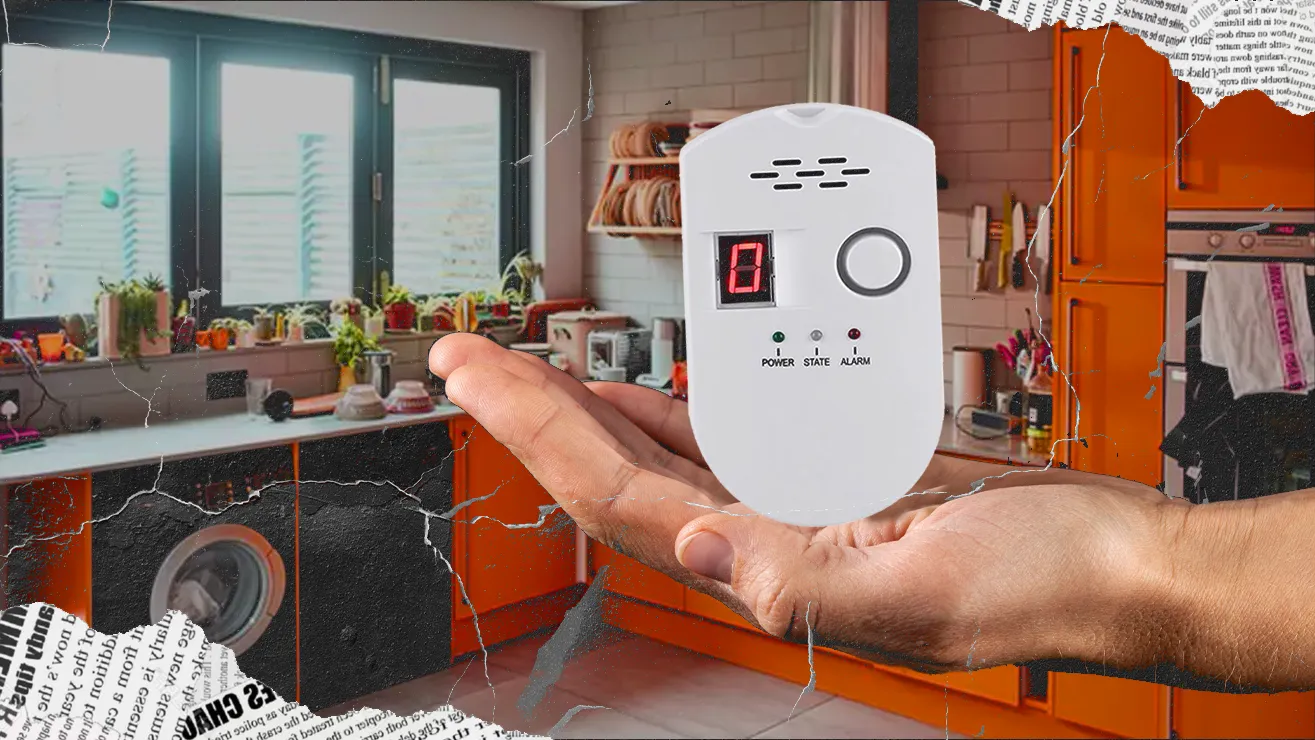
This mandatory regulation applies to multiple dwellings, one- and two-family homes being rented out, as well as Class B dwellings including hotels. To comply, plug-in, hard-wired, or battery-powered alarms must be strategically placed between 3 and 10 feet from any gas-powered appliance, such as stoves and dryers.
Fortunately, the installation process is relatively straightforward. In cases where a stove and dryer are situated close to each other, a single detector would suffice. It's worth noting that basement laundry rooms hosting dryers are exempt from this requirement.
In a bid to quell potential concerns of landlords facing another city regulation, the Department of Buildings is keen to emphasize that these highly essential devices cost less than $20 each. Moreover, they are user-friendly and boast simple plug-and-play functionality, allowing for easy integration with existing power supplies. By saving precious installation time, property owners can focus on other more engaging aspects of their day.
Mandates Saving Lives
While the responsibilities of property owners may not always be the most captivating, ensuring the safety of tenants is a crucial undertaking. Amidst numerous safety regulations imposed by the city, issues related to gas safety have garnered significant attention from lawmakers.
Tragedies like the devastating Bronx fire in 2017, caused by a child accidentally igniting a stove, resulting in the loss of 12 lives, prompted the implementation of stringent safety measures. Landlords are now required to install stove knob covers in units with young children, alongside safety bars on windows and the removal of lead paint.
Another recent safety law obliges building owners to have their gas piping inspected by a certified plumber every four years. Although the initial inspection cost hovers around $600, the expenses could escalate to several thousand dollars if any repairs are necessary.
One of New York's most well-known building safety regulations is Local Law 11, enacted after a tragic incident in 1979 where a Barnard student lost her life due to a falling block. This regulation led to the proliferation of sidewalk sheds in the city. However, incidents such as a fatality caused by descending debris in Midtown in 2017 still occur, highlighting the need for continued attention to building safety.
Similarly, the requirement for self-closing doors was underscored when a devastating fire swept through 333 East 181st Street, claiming the lives of 17 people. The incident occurred because a fleeing family left their apartment door open, and the self-closing mechanism failed to engage. In response, a state law addressing the safety of space heaters was implemented.
The city's insistence on smoke detectors has undoubtedly saved countless lives, and the mandate for carbon monoxide alarms has also proved beneficial. However, some deaths were attributable to dead alarm batteries, prompting the state to require sealed battery-powered alarms with a lifespan of 10 years. Alternatively, devices capable of detecting smoke, carbon monoxide, and gas simultaneously can fulfill all three obligations.
A Safer Approach to Chimneys and Parapets
In recent years, there have been some quiet yet significant changes taking place in the construction industry. One such change, implemented by the city in 2022, involved the installation of clean-out doors at the base of metal chimneys connected to boilers. This decision stemmed from the concern that debris accumulation in the chimney could potentially lead to fires when ignited by hot exhaust. Previously, this requirement only applied to masonry chimneys.
Interestingly enough, the installation of a clean-out door for a journalist's building cost a staggering $1,800. But the question remained: why would a metal chimney, equipped with a bird-proof cap, generate kindling at its base?
Another significant law came into effect on January 1, regarding parapets. Now, owners of buildings with parapets facing public right-of-ways are required to conduct annual inspections and compile reports. This measure aims to prevent any debris from falling off the parapets and endangering pedestrians below.
Contrary to what might be expected, the Department of Buildings does not consider this obligation burdensome or costly. The annual parapet inspections do not require a licensed professional but rather someone "competent" to perform the task. The department's website provides guidance on what constitutes competence in this context.
While these rulings may seem relatively minor, they reflect the city's ongoing efforts to ensure the safety and well-being of its residents. By addressing potential fire risks associated with chimneys and minimizing hazards posed by parapets, the city aims to create a more secure environment for all. Stay tuned for more updates, as the Department of Buildings is set to publish a new rule regarding gas detectors in the coming week.
Meeting Parapet Inspection Requirements in New York City
When it comes to inspecting parapets in New York City, the responsibility falls on qualified individuals who can identify potential hazards. The list of professionals eligible for this task is extensive and includes bricklayers, building superintendents, handymen, masons, architects, engineers, and authorized inspectors. Even your cousin Jimmy, if he possesses the necessary expertise, could be eligible for this inspection duty. However, it's important to note that the inspection must be conducted from the roof or fire escape, not from the ground. Additionally, the inspection report must be kept on hand for a duration of six years.
For property owners who may be uncertain about their maintenance obligations, the city has made the Administrative Code readily accessible online. This code addresses maintenance requirements and covers a comprehensive 46-page section that provides detailed guidelines and regulations. It serves as a valuable resource for ensuring compliance and understanding the necessary steps to fulfill maintenance obligations.