

Feb 27, 2024
NYC Hotels Shelter 178K Asylum Seekers Amid Rising Costs & Challenges
New York City has been grappling with the accommodation of over 178,000 asylum seekers who have arrived in the past two years, leading to a staggering expenditure of $1.45 billion in the 2023 fiscal year alone.

Traded Editorial
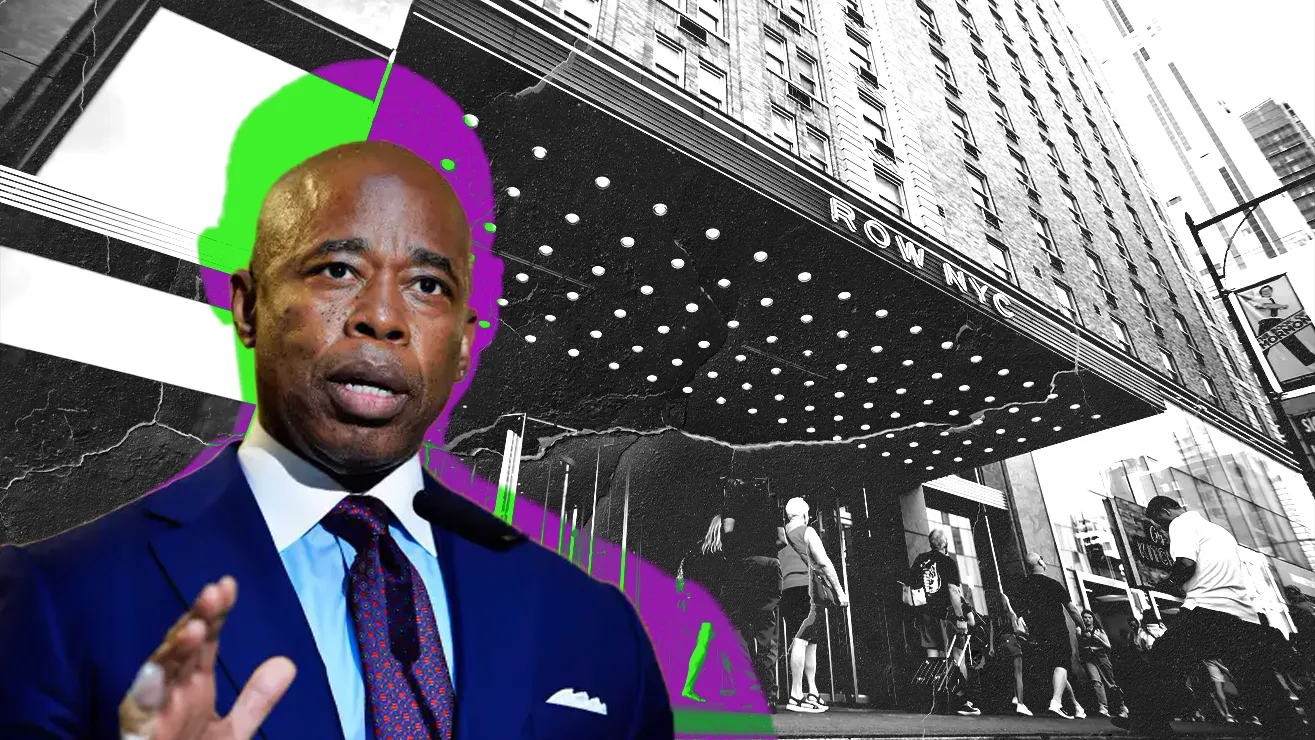
New York City has been grappling with the accommodation of over 178,000 asylum seekers who have arrived in the past two years, leading to a staggering expenditure of $1.45 billion in the 2023 fiscal year alone. The unpredictability of arrivals, particularly from the southern border, has strained the city's resources, resulting in a reliance on hotels to provide approximately 16,000 rooms for migrant families. Despite efforts by Mayor Eric Adams to secure additional funding from state and federal authorities, concerns persist about the sustainability of current spending levels.
Political and Financial Maneuvering
Mayor Adams has actively sought increased financial support from both state and federal governments, emphasizing the need for shared responsibility in addressing the influx of asylum seekers. While the state has committed $2 billion towards migrant services through April, Adams has pressed for further assistance, proposing that state lawmakers cover half of the city's annual costs, amounting to $4.6 billion through 2025. However, skepticism remains among some lawmakers regarding the efficiency of City Hall's spending practices, particularly its reliance on emergency contracts with hotels.
Extended Hotel Contracts and Transition Plans
The city's reliance on hotels for migrant accommodation, initially viewed as an emergency measure, has evolved into a longer-term strategy, exemplified by the quintupling of a contract with the Hotel Association of New York City (HANYC) to $1.37 billion, extended through 2026. This extension aims to facilitate a smoother transition to alternative shelters while allowing flexibility in response to fluctuating migrant numbers. Despite concerns about the sustainability of this approach, city officials assert the necessity of gradual transitions to avoid disruptions in services.
Financial Implications and Policy Shifts
Financial considerations, including varying room rates and the duration of stays, underscore the complexities of migrant housing arrangements. Mayor Adams' directive to limit hotel stays to 60 days seeks to manage the strain on the city's shelter system, prompting mixed reactions from advocacy groups. Meanwhile, potential policy changes at the federal level, such as executive actions by President Biden, could influence future migration patterns and the city's response strategies.
Long-term Planning and Advocacy
As the city navigates the evolving landscape of migrant accommodation, calls for long-term planning and comprehensive support mechanisms have emerged. Advocacy groups stress the importance of investing in initiatives that promote self-sufficiency among migrants, including housing support and case management services. Legal challenges and policy debates further highlight the need for a multifaceted approach to addressing the needs of asylum seekers beyond immediate shelter provision.
Economic Considerations and Future Projections
Amidst discussions on migrant accommodation, economic concerns loom large, with stakeholders weighing the impact on tourism and hotel occupancy rates. While hotels have accommodated migrants amid subdued business activity, questions arise about the sustainability of this arrangement and the potential implications of a decline in migrant numbers on the hospitality sector. As the city grapples with these multifaceted challenges, balancing humanitarian concerns with economic realities remains a pressing priority.