

Nov 30, 2023
NY State Legislators Propose Green Overhaul for E-commerce Warehouses
With the rise of e-commerce, the environmental impact of warehouses and the associated truck traffic has become a significant concern.

Traded Editorial
Proposed Legislation Targets Carbon Emissions from E-Commerce Warehouses
With the rise of e-commerce, the environmental impact of warehouses and the associated truck traffic has become a significant concern. A new bill in New York aims to address this issue by requiring e-commerce companies to significantly reduce their carbon emissions and truck traffic. The proposed legislation, known as the "Clean Deliveries Act," could have far-reaching implications for the real estate industry, particularly for those involved in the development and management of warehouse properties.
The Clean Deliveries Act: Aiming for Greener Warehouses
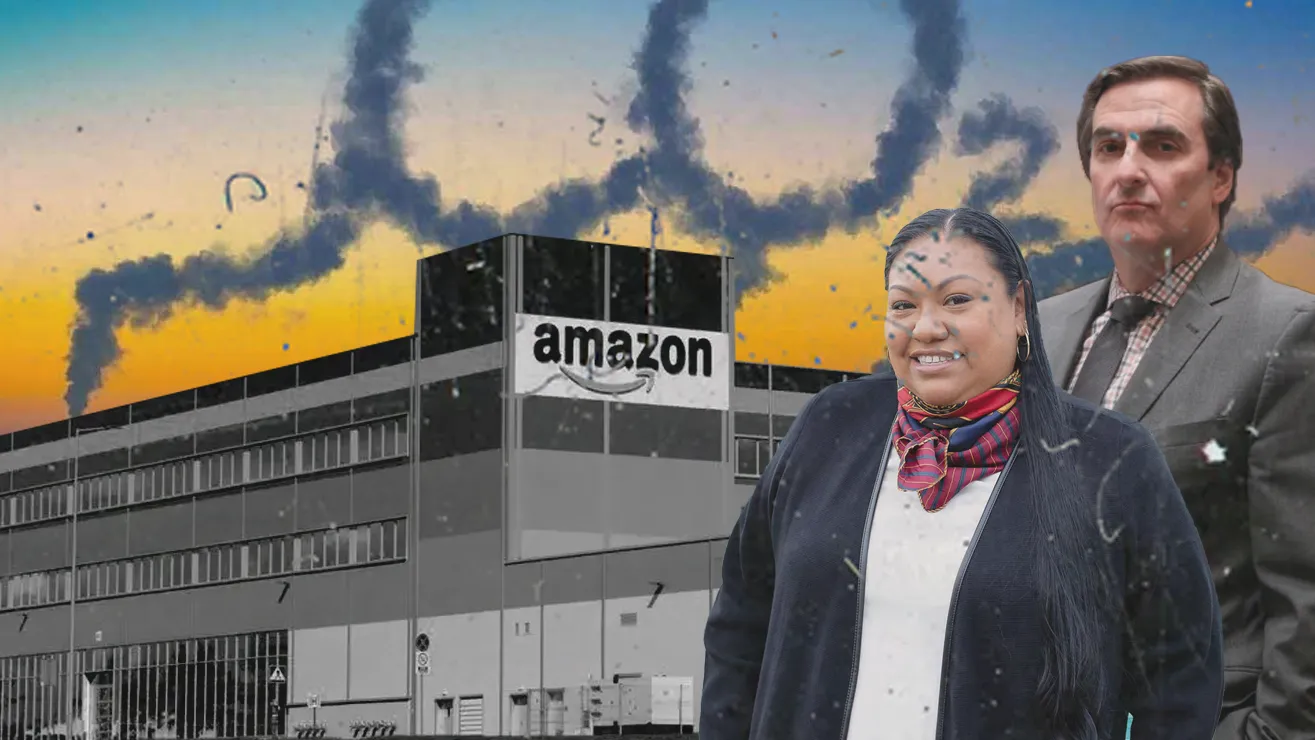
The Clean Deliveries Act, sponsored by state Sen. Michael Gianaris and Assembly Rep. Marcela Mitaynes, mandates the state Department of Environmental Conservation (DEC) to scrutinize the carbon emissions of each distribution facility larger than 50,000 square feet. This also applies to companies operating over 500,000 square feet of warehouse space statewide. The DEC would be responsible for establishing emission regulations for warehouses and approving specific plans for each property to minimize its carbon footprint.
How Warehouse Owners Can Reduce Emissions
Under the proposed legislation, warehouse owners can earn "points" towards their emission goals by reducing heavy truck traffic, using electric delivery trucks, installing electric vehicle charging stations, or employing alternative delivery methods like cargo bikes. They could also gain points by installing solar panels with battery storage systems. The state would require enhanced mitigation measures for warehouses located near sensitive areas such as schools, hospitals, and lower-income communities.
Addressing Community Concerns
Communities like Sunset Park and Red Hook in Brooklyn, which have a high concentration of last-mile warehouses, have long voiced concerns about pollution and traffic violence. The proposed legislation aims to alleviate these issues by ensuring that the environmental impacts of these facilities are adequately monitored and regulated.
Implications for Warehouse Development
The proposed rules would apply to both existing warehouses and future developments, including warehouse expansions. Warehouse owners would need to demonstrate that any new truck traffic would not violate federal air quality standards. They would also be expected to show that their facilities meet LEED Platinum standards for energy efficiency. Developers would need to provide detailed information about truck routes, daily truck trips, and the potential impact on nearby communities.
Looking Towards a Greener Future
The Clean Deliveries Act follows other notable carbon-reduction legislation in New York, including the Climate Leadership and Community Protection Act and Local Law 97. These laws require significant reductions in greenhouse gas emissions and signal a clear commitment to improving air quality and combating climate change. The proposed legislation represents another step towards a greener future, with potential implications for the real estate industry and beyond.
Conclusion
The Clean Deliveries Act is a clear indication of the growing emphasis on environmental responsibility in the real estate industry. As e-commerce continues to grow, the need for sustainable practices in warehouse operations will become increasingly important. This legislation could set a precedent for other states and countries, leading to a global shift towards greener e-commerce practices.