

May 28, 2024
New York City Puts Brakes on Last-Mile Delivery Warehouse Developments
The City Council has seized an opportunity to introduce new regulations for last-mile delivery warehouses amidst Mayor Eric Adams’ push to remove certain real estate regulations.

Traded Editorial
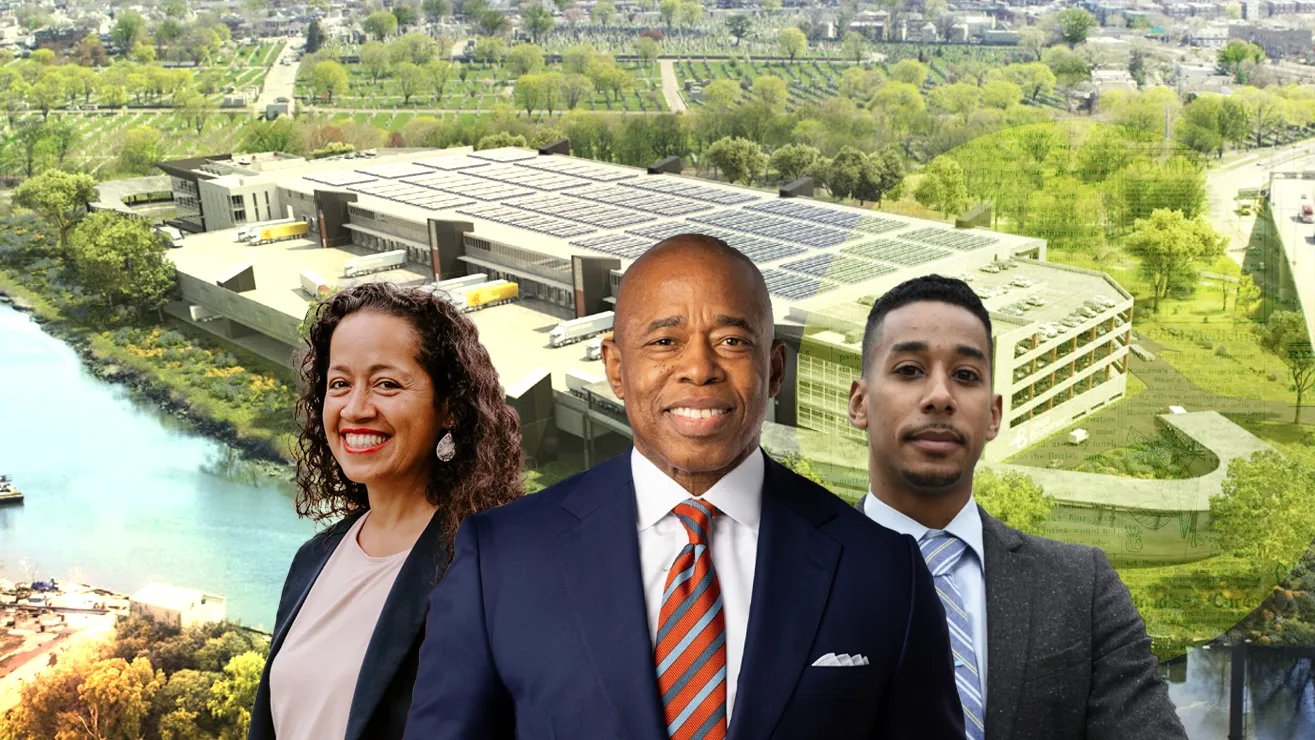
The City Council has seized an opportunity to introduce new regulations for last-mile delivery warehouses amidst Mayor Eric Adams’ push to remove certain real estate regulations. Developers aiming to build these facilities, which have proliferated to meet the demand for quick delivery of e-commerce packages, will soon need a special permit from the City Council. Previously, these warehouses could be built as-of-right in industrial areas without political approval.
Rising Concerns and Local Objections
Last-mile delivery warehouses have been lucrative for industrial developers over the past decade, driven by the demand from companies like Amazon for faster delivery times. However, these projects have faced objections from residents and elected officials due to the increase in truck traffic they bring. Under the Council’s tradition of “member deference,” a single local representative will soon be able to block the construction of a warehouse in their area. The mayor conceded to this provision to secure the passage of his broader proposals.
Historical Context and Market Implications
A similar special permit requirement was imposed on hotel projects in 2021, which effectively halted their development. This new regulation might have the same impact on last-mile warehouses. Until the change is enacted, developers are likely to rush projects to beat the new rules. The exact date for the change is undetermined, but the Adams administration plans to start the regulatory process by March 2025, which could take months to complete.
Economic and Environmental Impact
Once the special permits are required, competition among warehouse owners will decrease, potentially driving up rents as demand for these facilities remains high. Supporters of the reform, such as Brooklyn Borough President Antonio Reynoso and City Councilmember Alexa Avilés, praise it as a step towards environmental justice and relief from issues like asthma, congestion, and pollution. Avilés, representing areas heavily affected by warehouse developments, has previously highlighted the adverse impacts of increased traffic and pollution from these facilities.
Future Prospects and Market Dynamics
While the regulation aims to address local environmental and infrastructure concerns, it remains uncertain how much it will reduce traffic since customer deliveries will continue. Last-mile delivery facilities, which operate around the clock and are larger than typical warehouses, have seen a surge in development, particularly by companies like Innovo Property Group and Turnbridge Equities. However, demand for last-mile delivery has slowed, with even Amazon scaling back its warehouse space.
Additional Amendments and Legislative Process
The City Council also introduced other modifications to the mayor’s proposal, such as preventing corner stores from opening in low-density residential areas and limiting upzoning in those neighborhoods. The full Council is expected to formally approve the legislative package next month.