

Feb 27, 2024
LeFrak Takes Legal Action Against New York Over Housing Court Delays
Manhattan-based real estate firm LeFrak recently filed a suit in Queens State Supreme Court aiming to expedite the resolution of non-payment cases within the Housing Part of the Civil Court of New York City.

Traded Editorial
Manhattan-based real estate firm LeFrak recently filed a suit in Queens State Supreme Court aiming to expedite the resolution of non-payment cases within the Housing Part of the Civil Court of New York City. The firm alleges that the court's handling of cases outlined in the state's Real Property Actions and Proceedings Article 7 has been inadequate, resulting in detrimental delays for landlords attempting to regain possession of their properties from non-paying tenants.
LeFrak's High Profile
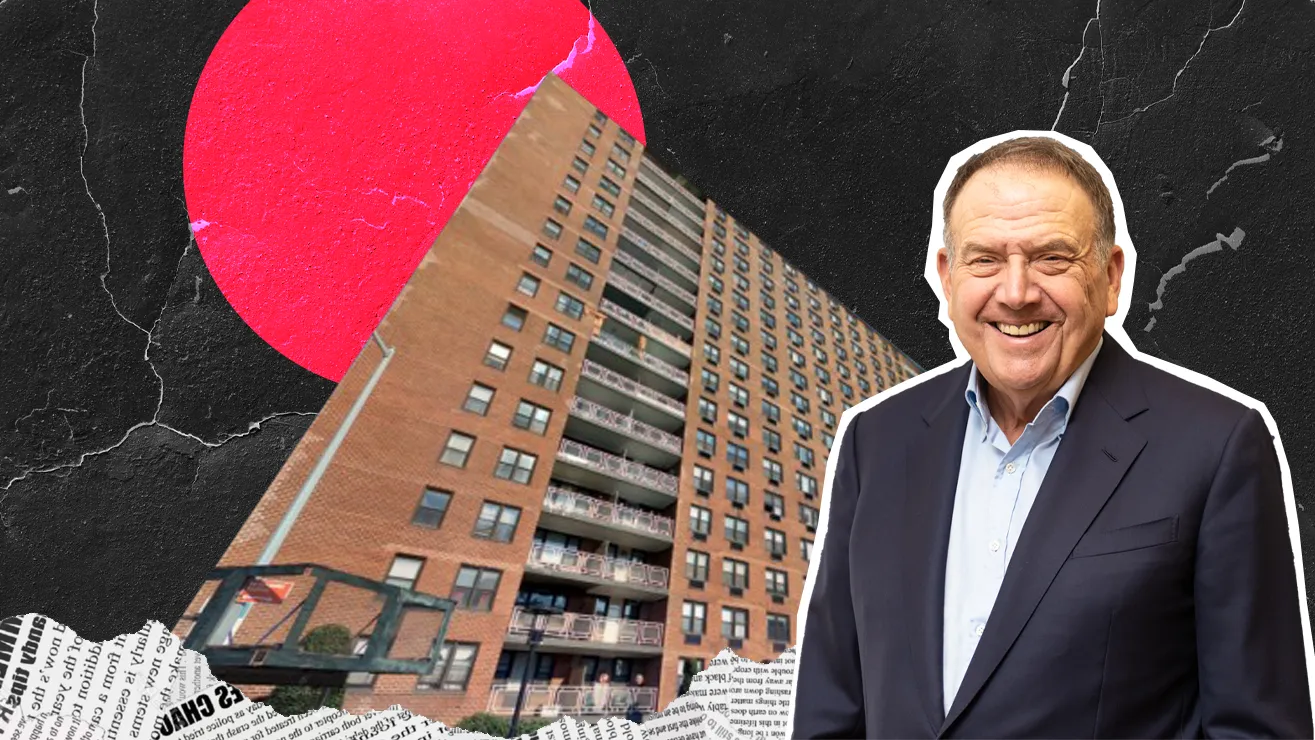
LeFrak is a significant player in New York City's real estate market, boasting a substantial portfolio that includes 64 commercial properties spanning over 11 million square feet, 10,110 residential units, and a city-determined market value of $1.6 billion. The majority of LeFrak's built space consists of elevator properties, with Queens comprising 62% and Manhattan 31% of its holdings. Notable properties include 97-05 Horace Harding Expressway North, a part of LeFrak City in Queens.
Petition Allegations
The petition filed by LeFrak contends that the court's failure to adhere to legislative directives outlined in Article 7 of the RPAPL has undermined the intended purposes of expedited proceedings. Delays in scheduling trials, granting adjournments without proper procedures, and prolonged waits for possession warrants after obtaining judgments are cited as major concerns. These issues are described as systemic failings, hindering landlords' ability to swiftly resolve non-payment cases.
Examples Provided
The petition offers specific instances to illustrate the extent of the problem. In one case, involving Lafrance Leasing L.P. v. Kishor Regmi et al., an answer was submitted on November 2, 2023. However, the matter was not scheduled for its first appearance until January 30, 2024, a delay of eighty-nine days. This delay is cited as indicative of the broader issue of prolonged case resolution times.
LeFrak's legal action underscores the frustrations of landlords facing delays in resolving non-payment cases. By highlighting specific instances and alleging systemic failings within the court's procedures, the firm seeks to compel a more efficient adjudication process in the Housing Part, ultimately aiming to protect landlords' interests in swiftly regaining possession of their properties.