

May 23, 2024
Illegal Los Angeles Hostels Spark Affordability, Zoning & Safety Debate
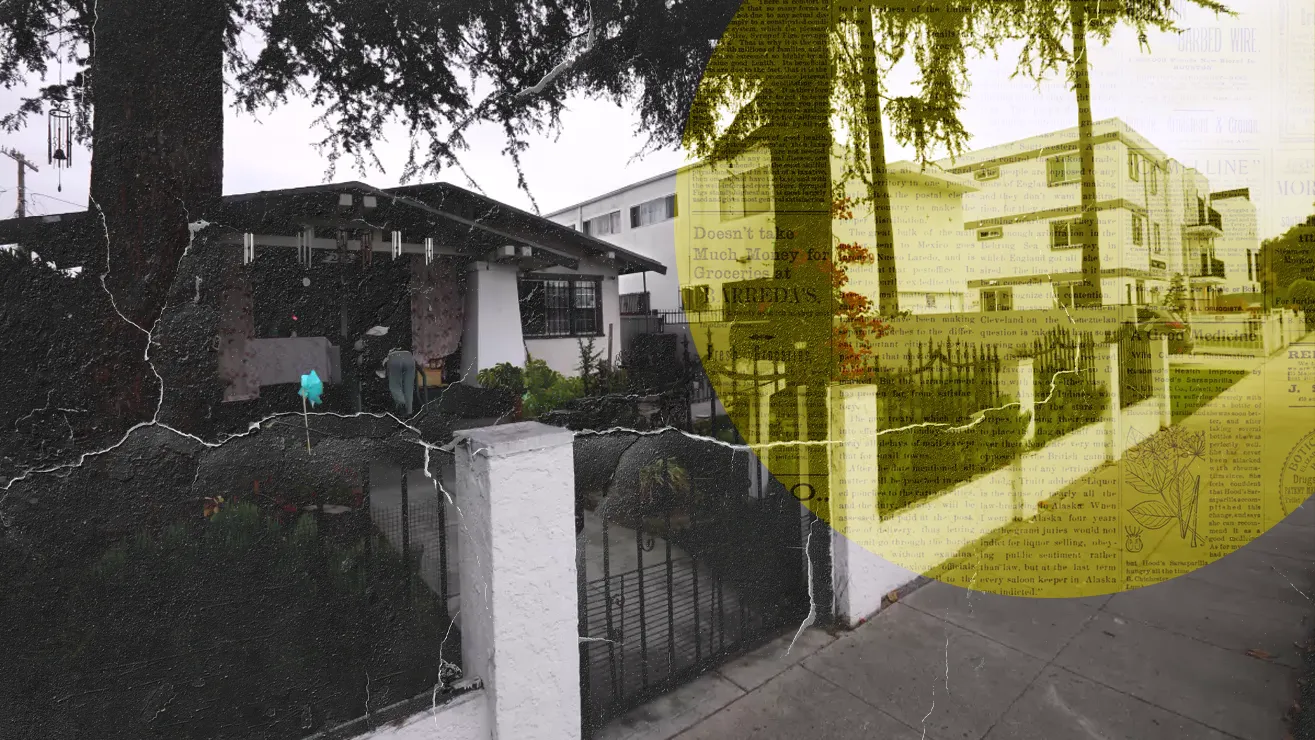
In the quiet Mid-City Heights neighborhood, the emergence of hostels has sparked concern among residents.

Traded Editorial
In the quiet Mid-City Heights neighborhood, the emergence of hostels has sparked concern among residents. These establishments, typically associated with budget travelers and backpackers, have started to appear in areas traditionally reserved for family homes. At least two hostels have opened on West View Street, with more in nearby neighborhoods.
Resident Complaints and Safety Issues
Residents have voiced their worries about the impact of these hostels. Incidents of public drug and alcohol use, increased police presence, and even disturbing behavior, such as public sex acts, have been reported. Adriana Marcial, a local resident, shared her discomfort after her husband encountered two men engaging in sexual activity near their home. The couple has since avoided walking through the area, feeling unsafe.
Hostels and Community Disruption
Hostels, often seen as cheap lodging for young travelers, have become contentious in residential neighborhoods. These properties, offering beds for as low as $25 a night, attract a transient population, including those struggling financially. This influx has led to concerns about noise, crime, and general disruption. Despite their low cost providing an alternative to homelessness, residents argue that they bring unwanted activities to the area.
Legal and Regulatory Challenges
The Department of City Planning states that hostels are not permitted in low-density residential neighborhoods like Mid-City Heights. They are allowed in higher-density areas, like parts of Koreatown, but require special permits. A recent search revealed several illegal hostels in prohibited zones. Councilwoman Heather Hutt highlighted that at least 28 illegal hostels operated within her district, prompting the City Council to demand a crackdown on such establishments.
Ongoing Enforcement Efforts
The City Council has tasked various departments with creating a plan to address illegal hostels, which has faced jurisdictional challenges. An enforcement task force was established specifically for Mid-City. Some properties have received citations, and efforts to curb illegal operations continue, although residents feel progress is slow.
Sober-Living Homes and Short-Term Residences
In addition to hostels, other types of short-term residences, like sober-living homes, have raised concerns. Neighbors reported seeing inappropriate behavior and offensive symbols at these properties. One sober-living home, accused by Aetna of being a "drug den," denied the allegations, claiming to support families in recovery. Another property, managed by a homeless-services provider, has faced scrutiny over its operations and the programs it supposedly supports.
Impact on Local Life and Property Values
Residents have noticed an increase in unfamiliar and sometimes aggressive individuals in the neighborhood. They report finding syringes, condoms, and other trash, leading to fears about safety and declining property values. Some, like Roxana Brusso, feel overwhelmed by the influx of temporary residents and believe the city is sacrificing their community's well-being.
City Actions and Future Steps
The city has taken some actions against specific hostels, citing them for unapproved operations. For instance, a duplex on West View Street was cited and appears to no longer function as a hostel. However, enforcement remains inconsistent, and more efforts are needed to resolve these issues comprehensively.
Community Response and Concerns
The situation has led to a mixed response from the community. While some see these properties as affordable housing options, others view them as sources of instability and crime. The city continues to navigate these challenges, aiming to balance the needs of transient populations with the safety and quality of life of long-term residents.