

Apr 1, 2025
How New NYC Composting Rules Impact Real Estate Professionals
As of April 1, 2025, New York City’s new composting regulations are in effect, and they bring significant changes for property managers and real estate professionals. Here’s what you need to know:
Traded Media

Traded Editorial
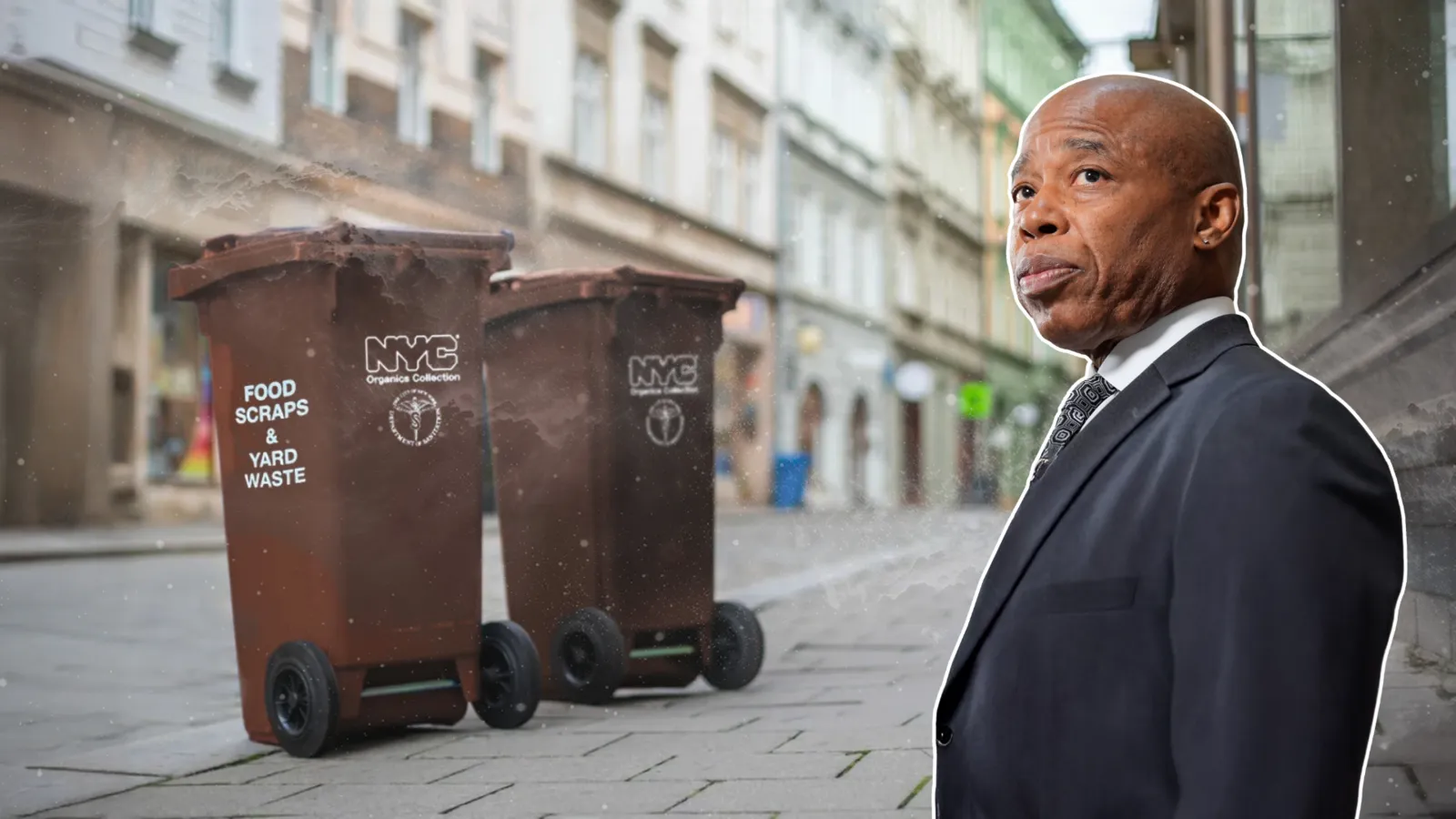
Starting April 1, 2025, New York City is implementing mandatory composting rules that will reshape waste management practices across all residential buildings. Residents will be required to separate food scraps, yard waste, and food-soiled paper from their regular trash for composting. This initiative, part of the city’s broader sustainability goals, introduces both challenges and opportunities for property managers, tenants, and the real estate market at large. Non-compliance comes with a cost: fines begin at $25 for smaller buildings (1-8 units) and scale up to $100 for larger properties (9+ units). Below, we’ll explore the key aspects of these changes, their impact on property management, and how embracing this shift can yield long-term benefits.
Why Tenant Education is a Game-Changer
The success of this composting program hinges on tenant cooperation, making education a top priority for property managers. Residents unfamiliar with the new rules may inadvertently mix compostable waste with regular trash, triggering fines and undermining the program’s goals. To avoid this, proactive communication is essential. Property managers can distribute easy-to-read digital guides, install clear signage near waste disposal areas, or even host short workshops to walk tenants through the process. For example, explaining that pizza boxes with grease stains belong in the compost bin—while clean cardboard goes to recycling—can prevent common mistakes. A well-informed tenant base ensures compliance and fosters a sense of community responsibility toward sustainability.
Upgrading Infrastructure: A Necessary Investment
Adapting to the composting mandate will likely require building waste management system updates. Many properties lack the infrastructure to handle a separate composting stream, meaning managers may need to purchase specialized bins, update labeling, and contract with composting services for regular pickups. While this involves upfront costs—potentially hundreds or thousands of dollars depending on building size—the investment can pay off. Composting reduces general waste volume, which could lower trash removal fees over time. For larger buildings, partnering with a waste management service that offers composting could streamline logistics and minimize the operational burden. Though it’s an adjustment, these upgrades position properties to meet both current regulations and future environmental standards.
The Compliance Challenge
Property owners are responsible for ensuring tenants follow the rules, which may necessitate new monitoring processes. Random spot checks of waste bins, tenant reminders, or even appointing a sustainability coordinator could become part of the routine. Tracking compliance might be daunting for multi-family buildings with dozens or hundreds of residents. However, establishing a clear system—such as color-coded bins and regular communication—can simplify the task. Failure to enforce the rules could lead to escalating fines, not to mention frustrated tenants who feel unsupported in navigating the changes. On the flip side, a proactive approach to compliance can turn a regulatory headache into an operational strength.
Turning Sustainability Into a Selling Point
Beyond the challenges, the composting rules open doors to significant opportunities for real estate stakeholders. Eco-conscious tenants, particularly millennials and Gen Z renters, increasingly prioritize sustainable living when choosing where to live. Buildings that embrace and advertise composting can differentiate themselves in NYC’s ultra-competitive rental market. Imagine a leasing ad highlighting “state-of-the-art composting systems” alongside amenities like rooftop terraces or gyms. This green credential could tip the scales for prospective renters. Moreover, sustainability efforts align with certifications like LEED (Leadership in Energy and Environmental Design), which can boost a property’s prestige and appeal to buyers if it ever hits the market.
Cutting Costs and Boosting Value
While the initial costs of bins and services might sting, composting offers a clear path to long-term savings. By diverting food scraps and yard waste from the general trash stream, buildings can reduce the frequency or volume of waste pickups, trimming monthly disposal fees. These savings could offset the upfront investment within a few years in a city where waste management expenses can add up quickly. Beyond the balance sheet, sustainable practices often enhance property value. A 2023 study by the National Association of Realtors found that homes with green features—like energy efficiency or waste reduction programs—commanded higher resale prices. For NYC landlords, composting could be a smart financial play as much as an environmental one.
Looking Ahead: A Sustainable Future for NYC Real Estate
The composting mandate is just one piece of New York City’s ambitious push toward a greener future, with initiatives like the 2030 carbon neutrality goal looming. Adapting to these changes isn’t optional for the real estate industry—it’s a matter of staying relevant. Property managers who get ahead of the curve by integrating composting and other eco-friendly practices can position their buildings as forward-thinking and desirable. This isn’t just about avoiding fines; it’s about building a reputation as a leader in sustainability, cutting operational costs, and attracting tenants and buyers who value environmental stewardship.
In summary, the new composting rules, effective April 1, 2025, present a mix of hurdles and rewards for NYC’s real estate sector. Property managers can turn compliance into a competitive edge by prioritizing tenant education, upgrading infrastructure, and leveraging the sustainability trend. The upfront effort will pay dividends—both in dollars saved and in goodwill earned—making this mandate a stepping stone to a more sustainable, profitable future.