

Mar 20, 2024
Chicago Real Estate Celebrates as 54% of Chicago Voters Reject Mansion Tax
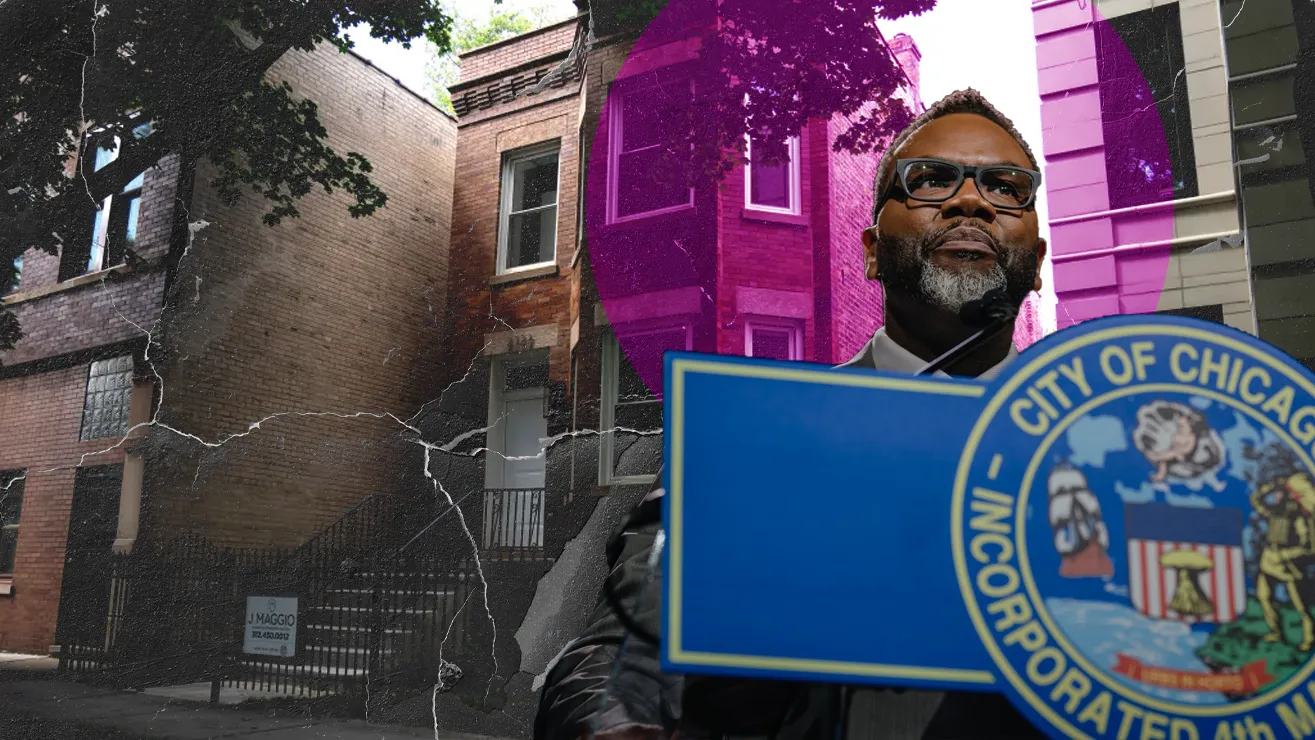
In a highly contested battle, Chicago voters rejected a proposed real estate transfer tax, dealing a blow to Mayor Brandon Johnson's progressive agenda.

Traded Editorial
In a highly contested battle, Chicago voters rejected a proposed real estate transfer tax, dealing a blow to Mayor Brandon Johnson's progressive agenda. The tax aimed to increase property sales taxes over $1 million, with revenue directed towards combating homelessness.
Outcome and Implications
Despite a close race, the measure faced defeat, marking a significant victory for commercial real estate (CRE) interests. The rejection signals a setback for the mayor's policies and highlights a divide between city governance and business interests.
Election Turnout and Funding
The election saw historically low turnout, with older voters dominating participation. Both proponents and opponents of the tax poured significant funds into campaigning, with real estate groups leading opposition efforts.
Campaign Financing
The opposition received substantial support from realtors' associations, while proponents garnered backing from unions and advocacy groups. Despite these efforts, the referendum failed to pass.
Legal Challenges and Industry Response
The real estate industry, backed by organizations like BOMA Chicago, mounted legal challenges against the tax proposal. With the measure defeated, attention shifts to addressing broader challenges facing the CRE sector.
Future Challenges and Collaboration
While the rejection spares the industry from additional tax burdens, challenges such as property tax assessments and downtown revitalization remain. Collaboration between the city and CRE players is crucial for addressing these issues and fostering economic growth.
While the defeat of the tax measure relieves immediate concerns for the CRE industry, broader challenges persist. Collaborative efforts between stakeholders are essential for addressing these challenges and revitalizing Chicago's commercial real estate landscape.