

Mar 11, 2024
Chicago Bears Commit $2 Billion for Lakefront Stadium
The Chicago Bears are redirecting their stadium plans from Arlington Heights to the lakefront, with a commitment of $2 billion in private financing for the project.


Traded Editorial
The Chicago Bears are redirecting their stadium plans from Arlington Heights to the lakefront, with a commitment of $2 billion in private financing for the project. The proposed stadium, to replace Soldier Field, aims to offer year-round events and enhance public space.
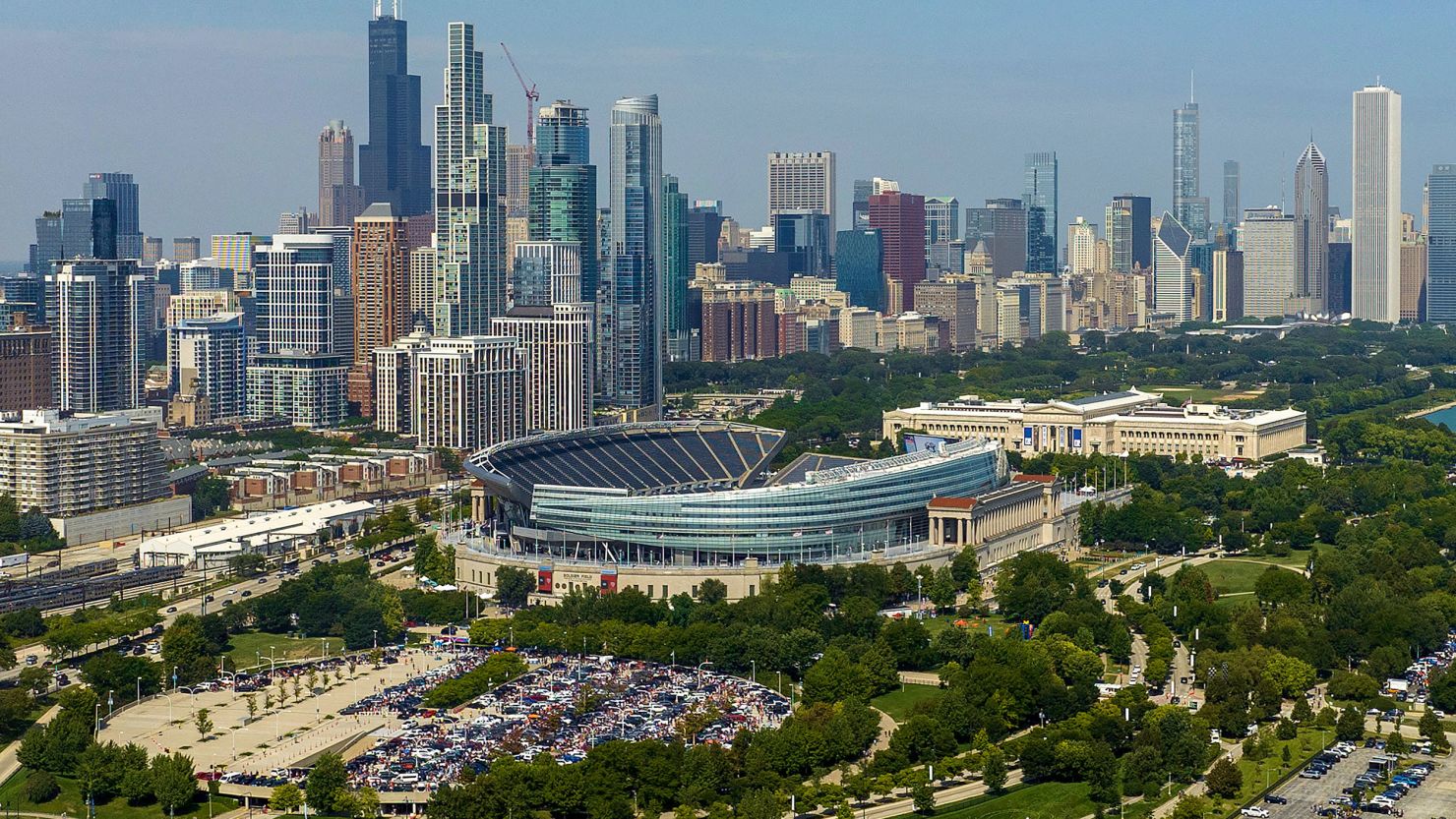
New Stadium Proposal
The team intends to demolish Soldier Field, the NFL's smallest stadium, and construct a new domed stadium. This stadium would be publicly owned, facilitating various events, potentially including the Super Bowl. The plan also emphasizes increasing open space by approximately 20%, with accessible plazas, paths, and lakefront access.
Bears' Statement
Bears President and CEO, Kevin Warren, announced the $2 billion investment to enhance public spaces and build the new stadium. Warren highlighted the transformative opportunities for the region, emphasizing economic growth, job creation, and tax revenue generation.
Stadium Site History
In February 2023, the Bears acquired the former Arlington International Racecourse site, raising doubts about their Chicago presence. Amidst a property tax dispute, various relocation options were considered, including Naperville, Aurora, Waukegan, and staying in the city.
Public Opinion and Financing
Public sentiment, as per a McGuire Research poll, favors a museum campus location and the Bears staying in Chicago. Despite significant private financing, public funds would still be necessary, estimated at $2.5 billion to $3 billion for the project. Mayor Brandon Johnson supports the plan, with 60% of Chicagoans backing public money for a publicly owned stadium.
Comparative Scenario
In contrast, White Sox owner Jerry Reinsdorf seeks $1 billion in public financing for a new stadium in the South Loop, proposing to utilize a hotel tax and tax increment financing district revenue. However, Illinois Governor J.B. Pritzker opposes public funding for the White Sox stadium, emphasizing the need for proven taxpayer return on investment.
The Bears' shift to a lakefront stadium plan represents a significant development in Chicago's sports infrastructure landscape, involving substantial private and potentially public investment. The proposal's realization could have wide-ranging economic and social implications for the city and the region.