

Apr 1, 2024
Boston Mayor Shocks Commercial Real Estate with New Office Tax
Boston is on the brink of implementing a groundbreaking strategy to address the shifting economic landscape post-pandemic.

Traded Editorial
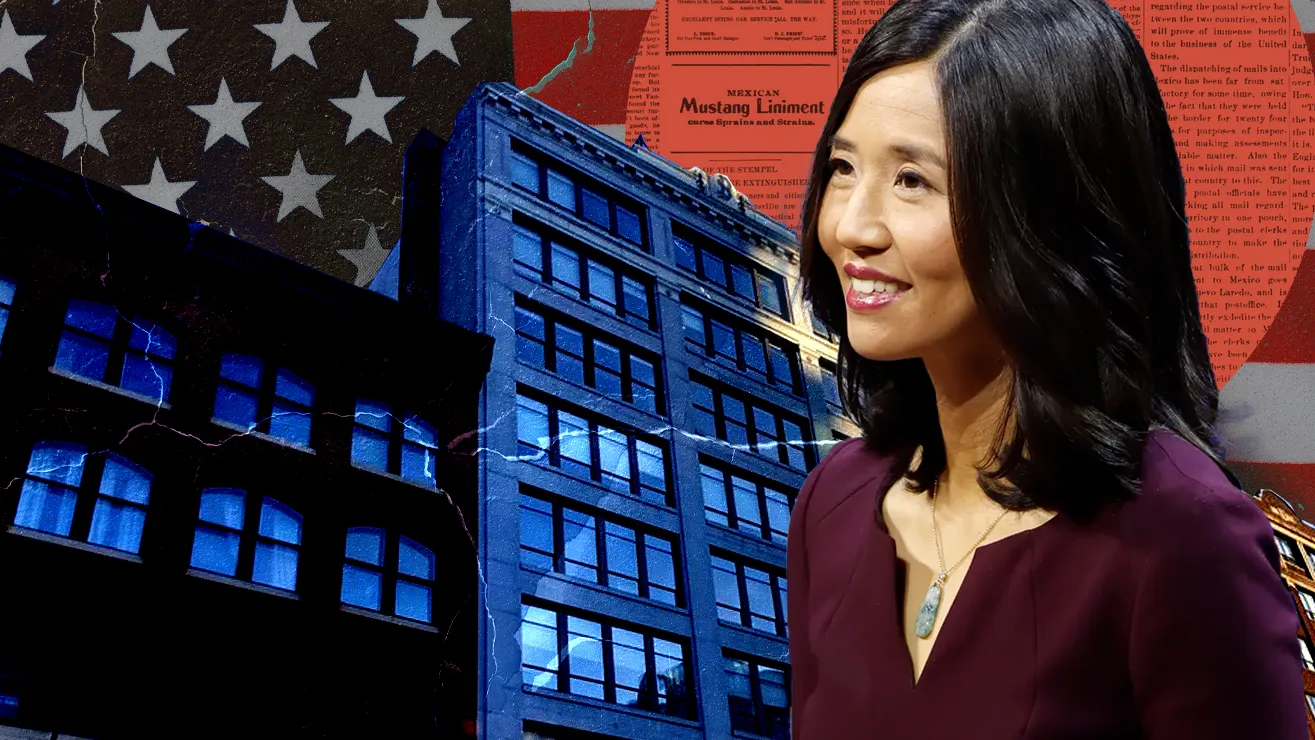
Boston is on the brink of implementing a groundbreaking strategy to address the shifting economic landscape post-pandemic. Mayor Michelle Wu is spearheading a proposal to adjust property tax rates for businesses, surpassing current limitations.
Adapting to Changing Times
The rationale behind this progressive move lies in the decline of commercial property values triggered by remote working trends and economic fluctuations, such as inflation. With projections indicating a substantial revenue loss for Boston over the next half-decade due to vacant office spaces, urgent action is imperative.
A Strategic Approach
The proposed legislation intends to offer the city the flexibility required to redistribute the property tax burden temporarily onto commercial and industrial entities. By allowing this shift, Boston aims to shield residential property owners from an abrupt and detrimental increase in taxes, thus safeguarding the interests of both residents and businesses.
Embracing Financial Responsiveness
Discussing the correlation between commercial property values and tax revenue, city officials and economic experts engage in a discourse regarding the impact on essential public services when these values fluctuate. Voices in the discussion disagree on whether a decrease in property values directly diminishes tax revenue or prompts an increase in tax rates to compensate for the shortfall.
Community Support and Development Strategies
City authorities, like the chief financial officer and industry leaders, emphasize the importance of ensuring that adequate funding is allocated to vital services within the city. Proposals put forth by officials aim to alleviate tax burdens on residents and address pressing issues like the ongoing housing crisis, all while striving to maintain financial stability and support sustainable growth.
Paving the Way for Sustainable Progress
Industry professionals, such as housing developers, commend initiatives aimed at stabilizing the city's financial standing and enhancing the quality of life for its residents. Proposals that advocate for responsible financial planning, coupled with the potential for new growth projects, are seen as essential steps to fortify the city's foundations and enhance its overall well-being.
Shifting Tax Burden Impact
Concerns arise over the potential consequences of increasing commercial property taxes further in Boston. The Greater Boston Real Estate Board expresses worry that this move could exacerbate existing urban challenges seen in other US cities, emphasizing the strain on businesses already burdened financially. Additionally, the Boston Policy Institute report highlights the additional difficulties higher taxes could pose for commercial entities.
Assessment of Proposed Policy
The city's assessing department commissioner, Nick Ariniello, indicates that the proposed tax adjustment aims to be manageable for commercial property owners. He reassures that the changes should align with anticipated tax burdens and not shock businesses financially.
City's Reliance on Commercial Real Estate Taxes
While declining commercial property values affect many cities nationwide, Boston uniquely leans heavily on commercial real estate tax revenues compared to other municipalities. The Boston Policy Institute points out the city's dependence on this revenue source due to restrictions barring the imposition of local sales or income taxes, putting it in a distinctive position economically.
Revitalizing Downtown Spaces
Michelle Wu discussed the necessity of appealing public transportation, reliable housing, and shifting to a residential mix to enhance foot traffic downtown by revitalizing the landscape and transform how office spaces are utilized.
Commercial Property Value Preservation
Addressing the enduring challenge of preventing the decline in commercial property values, Wu emphasized the importance of long-term strategies to sustain property value and develop downtown areas to their fullest potential.
Encouraging Urban Development
To boost urban development, strategies such as offering tax breaks for developers converting empty offices into residential units have been implemented. This initiative aims to attract more residents downtown and stimulate economic growth through increased housing opportunities.