

Jun 13, 2024
Boston Mayor Confirms Congestion Pricing is Still on the Table for the City
In May, American governors and mayors, including Boston Mayor Michelle Wu, attended a climate conference at the Vatican to discuss strategies for building resilience against climate change.

Traded Editorial
In May, American governors and mayors, including Boston Mayor Michelle Wu, attended a climate conference at the Vatican to discuss strategies for building resilience against climate change. This conference aimed to foster collaboration and share best practices among cities.
Indefinite Pause on Manhattan's Congestion Pricing
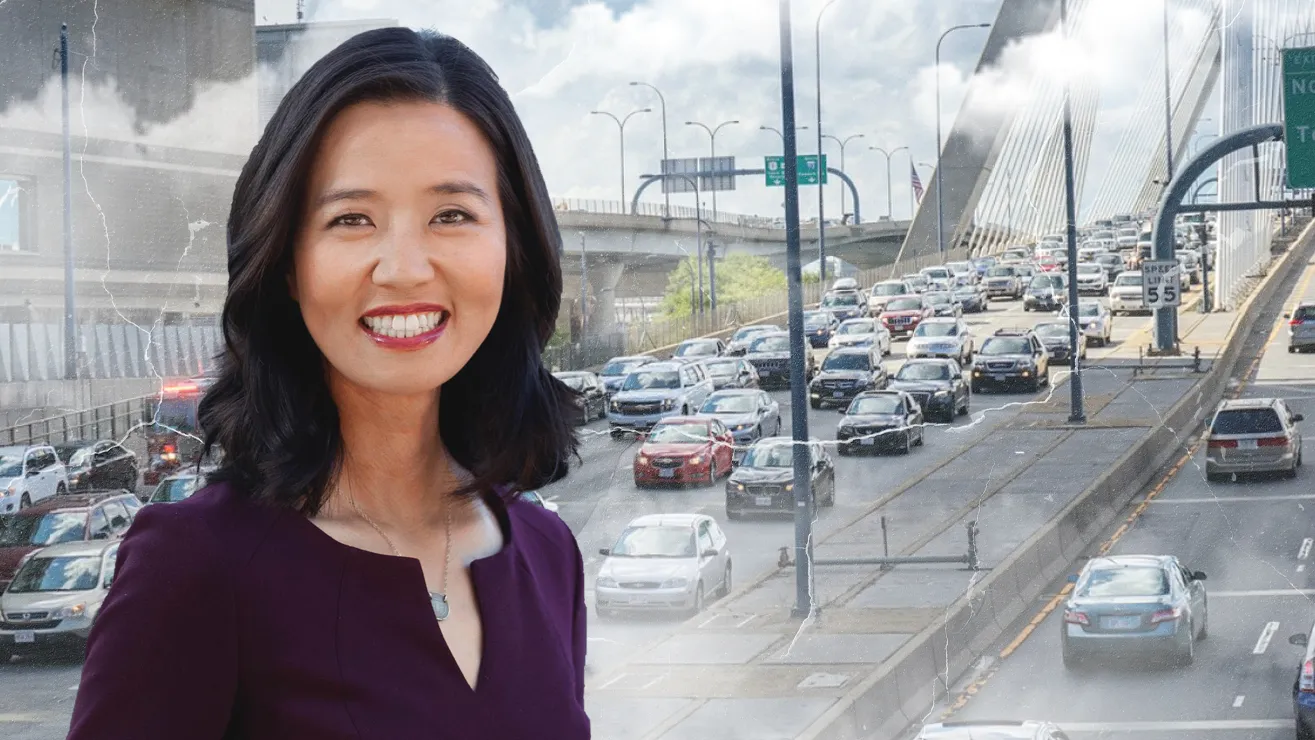
New York Governor Kathy Hochul, one of the conference speakers, recently halted Manhattan's congestion pricing plan, initially set to begin on June 30. This decision surprised many, including Mayor Wu, who viewed New York's plan as a potential model for Boston and other cities. Congestion pricing is seen as a significant measure to reduce air pollution and car dependency by tolling vehicles during peak traffic hours.
Future of Congestion Pricing in Boston
Despite New York's pause, Mayor Wu remains optimistic about the potential for congestion pricing in Boston. She emphasized the importance of having a reliable public transportation system as an alternative to driving. However, Boston's MBTA has been facing numerous challenges, complicating the implementation of such a system.
Real Estate Transfer Tax Proposal
Mayor Wu also discussed Boston's proposed real estate transfer tax during her Boston Public Radio appearance. The proposal includes a 2% fee on home sales exceeding $2 million, with the revenue earmarked for affordable housing. This tax aims to balance the city's livability for current and future residents. A similar initiative in Governor Maura Healey’s housing bond bill was recently removed by the House of Representatives.
Budget and Revenue Strategies
As the Boston City Council deliberates the budget, Wu's administration is exploring new revenue streams, including revamping the Payment in Lieu of Taxes (PILOT) program. PILOT involves voluntary payments from not-for-profit organizations like universities, hospitals, and museums, which are not legally required to pay taxes but contribute to city services.
Enhancing the PILOT Program
Wu seeks to evolve the PILOT program, suggesting cultural organizations contribute directly to community services rather than making cash payments. She aims to clarify the benefits of these payments for universities and consider creating a housing fund to support student and faculty housing. This approach is intended to strengthen the relationship between these institutions and the city while ensuring their contributions are impactful.