

Feb 20, 2024
Boston City Council Considers Implementing Congestion Pricing Amid Traffic Woes
In contemplating the congestion conundrum that plagues Boston, a proposal for congestion pricing has emerged as a controversial yet potential solution.

Traded Editorial
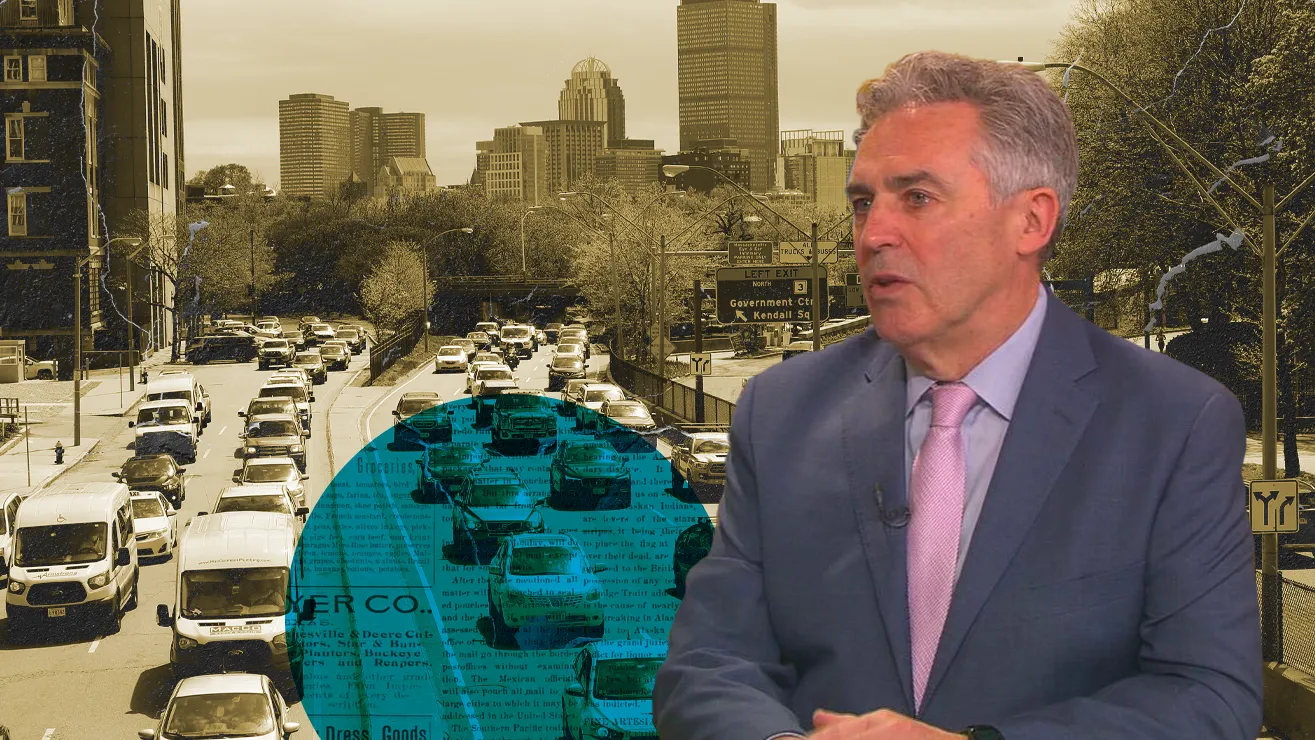
In contemplating the traffic conundrum that plagues Boston, a proposal for congestion pricing has emerged as a controversial yet potential solution. The region’s business leader advocates for its consideration amidst the quagmire of traffic gridlock and funding deficits in public transit. Jim Rooney, President of the Greater Boston Chamber of Commerce, underscores congestion pricing as a strategy on the table for deliberation by the newly formed transportation funding task force. The looming 12-month study aims to dissect the viability of this tolling tax among other options.
Diverse Reactions to the Prospective Change
The prospect of congestion pricing evokes mixed sentiments within the community. While some view it as a beneficial tool for reducing emissions and traffic, others raise concerns about its implications. Decades of looming discussions at the state level have seen previous attempts at implementing such measures face repeated setbacks, with equity considerations often cited as a primary deterrent. As the debate lingers, the necessity of making difficult decisions in the realm of transportation funding becomes increasingly evident.
Exploring New Approaches to Transportation Funding
Gov. Maura Healey has recently shown openness to innovative solutions by establishing a transportation funding task force to delve into mobility pricing strategies previously overlooked. The initiative gained further momentum with the introduction of a hearing order before the Boston City Council, sparking discussions about the implications of imposing congestion fees on drivers to access Hub areas. While the prospect of implementing this policy is on the horizon, projections indicate a minimum timeline of five years for its roll-out, pending public acceptance.
Revamping Tolling Strategies for Congestion Management
Exploring congestion pricing as a tolling mechanism entails broader adoption across various transportation routes. Presently, tolling is predominantly limited to specific locations like the Mass Pike, tunnels, and bridges. Implementing congestion pricing, akin to New York City's impending model, would necessitate a universal tolling system to effectively regulate traffic flow. The concept extends to flexible tolling fees throughout the day, aiming to mitigate congestion by adjusting prices during peak and off-peak hours.
Embracing Innovative Traffic Solutions
Implementation of zone-based congestion pricing models in urban areas requires meticulous attention to state and federal regulations, a process that demands both time and strategic planning. For instance, in New York City, the introduction of congestion pricing has been a lengthy journey, commencing with Mayor Michael Bloomberg's proposal 14 years ago and gaining approval from the state Legislature five years later. The Metropolitan Transportation Authority (MTA) is pioneering this initiative, intending to charge drivers based on vehicle size, with fees ranging from $15 for most drivers to varying rates for truckers and motorcyclists. With construction costs already at $550 million and nearing 70% completion, the final plan is set for review by the MTA in March.
Lessons from Mobility Pricing Initiatives
Various U.S. cities have experimented with mobility pricing schemes to combat traffic congestion effectively. Seattle's strategic adjustment of toll rates during peak and off-peak hours resulted in reduced traffic congestion, as noted by the U.S. Department of Transportation. While New York City looks to replicate the zone-based congestion pricing models successfully deployed in international cities like London, Stockholm, and Singapore, it remains a pioneering endeavor within the United States, with the Boston City Council also contemplating similar measures.
One intriguing proposal under scrutiny by the task force involves levying taxes based on the miles traveled by individual drivers. This strategy, tested in states like Minnesota and Oregon, presents a radical approach to relieve traffic burdens and secure funding for essential services like the MBTA, which faces a substantial budget shortfall in the coming years.