

Aug 22, 2024
Berkeley Overturns 1916 Zoning Law to Promote Multifamily Development
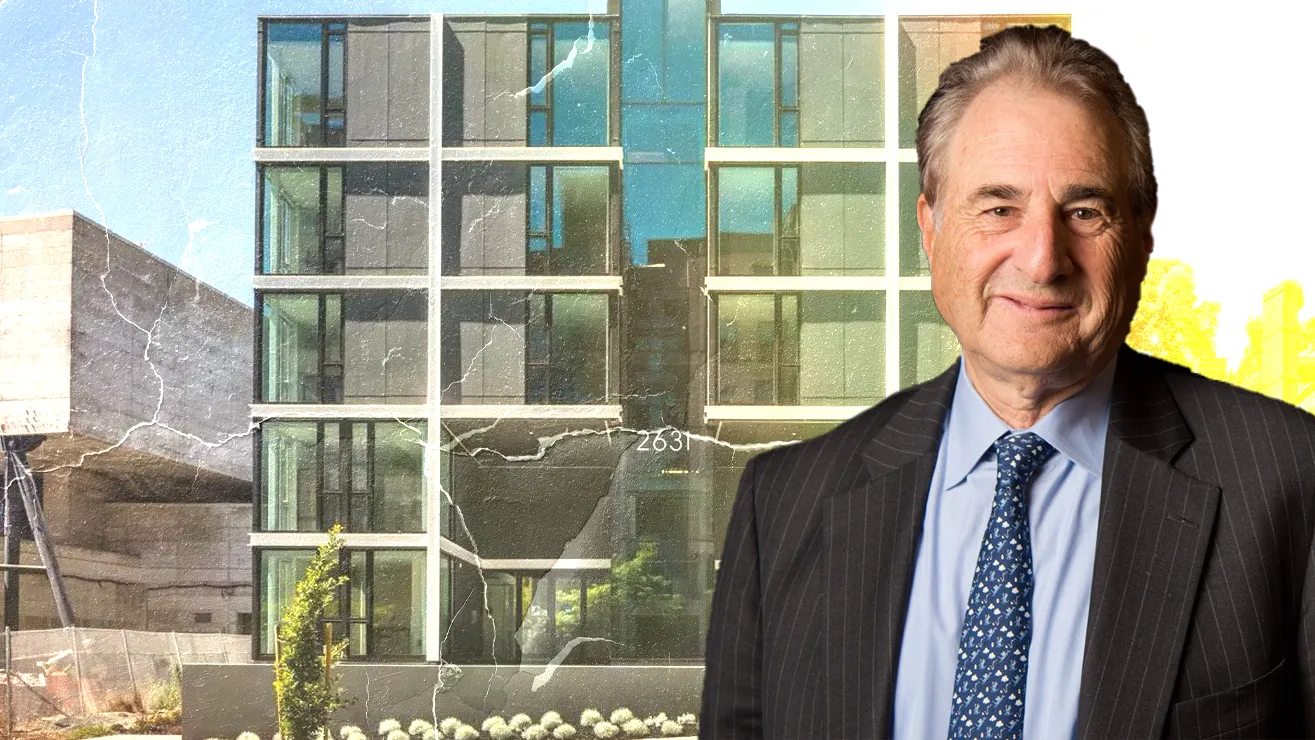
Berkeley, California, is taking significant steps to correct its history of exclusionary zoning. The city is set to overturn a 1916 law that used single-family zoning to discriminate against people of color.

Traded Editorial
Berkeley, California, is taking significant steps to correct its history of exclusionary zoning. The city is set to overturn a 1916 law that used single-family zoning to discriminate against people of color. This change is part of Berkeley's broader commitment to creating more housing, with the City Council already having taken steps in 2021 to end single-family zoning.
Multifamily Development Boom
The push for more housing, combined with statewide pro-development laws and a growing population, has led to a surge in multifamily developments in Berkeley. In 2022, the city issued permits for over 900 rental units—a 20-year high. The momentum continued with nearly 2,100 units entitled in 2023 and close to 600 more in 2024. Berkeley aims to develop 3,100 rentals and 1 million square feet of commercial space by 2030. The city has also leveraged density bonuses to increase affordable housing.
Statewide Housing Legislation Impact
California has passed numerous housing bills, such as Senate Bill 35, which streamlines the approval process for dense, market-rate projects that include affordable housing. These state laws have facilitated higher-density developments in Berkeley, particularly around major transit hubs like the Downtown Berkeley BART station. Notable projects include The Hub, a 26-story apartment tower, and a proposed 285-foot-tall high-rise by Core Spaces.
Transit-Oriented Developments and Public-Private Partnerships
A collaboration between nonprofits and private investors has emerged to capitalize on California's pro-development policies. At the North Berkeley BART station, a transit-oriented development is planned with 750 units, half of which will be affordable. Other projects, like the Ace Berkeley near UC Berkeley, offer high-end units, but they highlight the affordability challenges the city faces.
Challenges in Addressing Affordability
Despite the surge in development, Berkeley struggles to meet the needs of middle- and low-income families. Multifamily vacancy rates have risen to 12%, driven by the increase in high-end housing, which remains unaffordable for many. Rent prices in Berkeley are among the highest in the San Francisco area, averaging $3,600 per unit, far above the regional average. High construction costs and interest rates have also made it difficult for developers to pursue more affordable projects without substantial subsidies.
The Need for a New Approach
While Berkeley's development boom has helped the city meet its housing targets, it has not adequately addressed the demand for workforce and middle-income housing. Experts argue that a significant federal housing program might be necessary to bridge this gap. The focus moving forward will likely be on whether the government prioritizes affordable housing development to ensure that the needs of all residents are met.