

May 17, 2024
2024 Election Spotlight on the Affordability Crisis: Skyrocketing Home Prices and Rising Mortgage Rates
In most presidential election years, housing prices are not a central issue for voters.

Traded Editorial
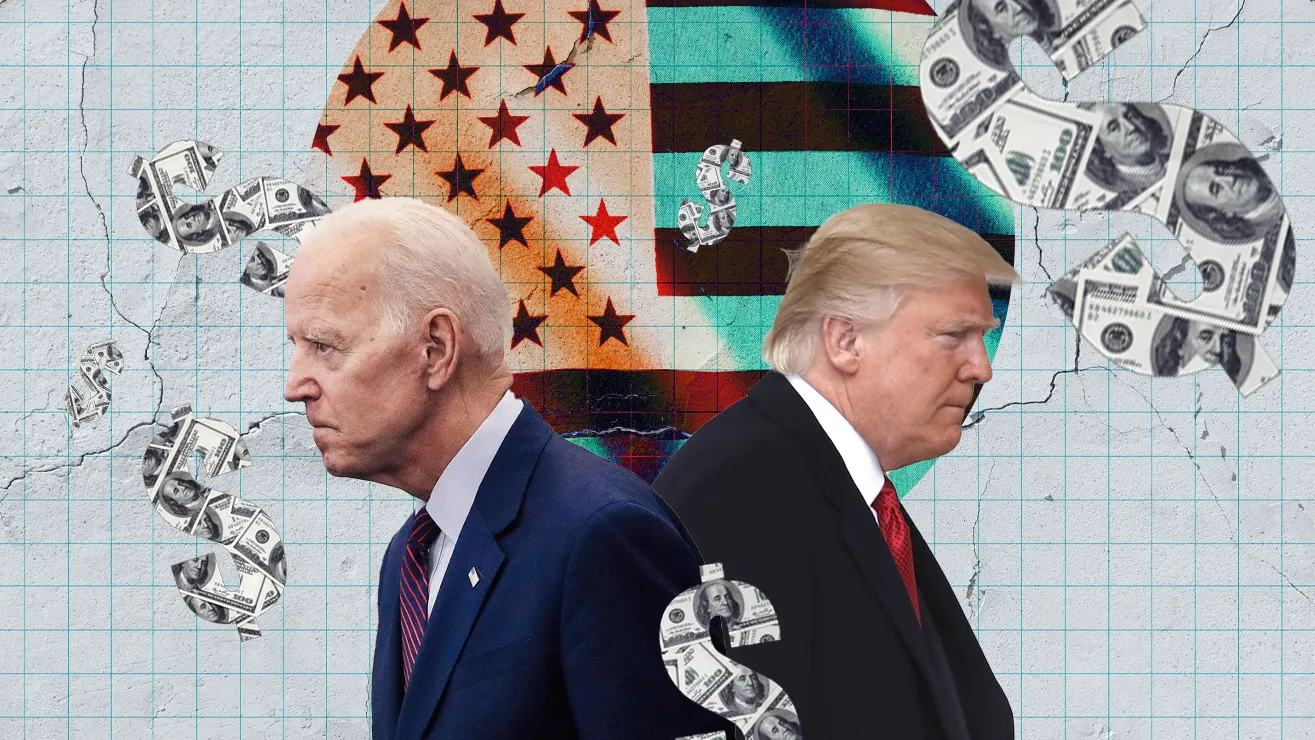
In most presidential election years, housing prices are not a central issue for voters. However, the 2024 election is shaping up differently. With soaring mortgage rates and housing prices out of reach for many, the affordability crisis is becoming a critical campaign topic.
Biden's Approach to Housing Affordability
President Joe Biden has made housing affordability a key part of his campaign, especially in swing states like Nevada. He proposed a $10,000 tax credit for first-time buyers and sellers of starter homes. In a March speech, Biden highlighted these issues, aiming to address the housing affordability crisis which has seen median list prices increase by 28% since January 2021. Biden’s broader proposals include tax credits and spending programs to build or renovate 2 million homes, aiming to reduce housing costs and make homeownership more accessible.
Trump's Counterattack on Housing Policies
Donald Trump, the presumptive Republican nominee, has criticized Biden’s housing policies, claiming they amount to a “war on the suburbs.” Trump argues that expanding affordable housing would lower property values and disrupt suburban neighborhoods. This stance reflects his broader opposition to increasing housing density and his administration's record, which saw a significant increase in the housing shortage.
The Housing Affordability Crisis
The debate on housing affordability comes at a time when the home price-to-income ratio has reached a record high of nearly 6-to-1. Rental costs are also a significant burden, with nearly half of renters spending over 30% of their income on rent, making it difficult to save for a down payment on a home. Biden’s proposals, such as a two-year $5,000 tax credit for first-time homebuyers, aim to alleviate these issues, though they face scrutiny for potentially increasing demand and driving prices higher.
Economic and Political Analysis
Economists are divided on Biden’s policies. Some, like Nicholas Irwin, argue that focusing on demand-side solutions without addressing supply issues could exacerbate the problem. Others, like Alex F. Schwartz, see potential benefits in Biden’s tax credits for sellers, which could increase housing inventory by encouraging homeowners to move.
Voter Concerns and Political Implications
Housing affordability is a top concern for voters across political lines. Recent polling indicates that both Democrats and Republicans rank housing affordability among their primary concerns. This bipartisan anxiety suggests that housing policy could play a crucial role in swaying independent voters in swing states.
Campaign Strategies and Voter Demographics
Biden's proposals aim to attract renters and first-time homebuyers, who traditionally lean Democratic. Trump's message is targeted at homeowners who are more concerned with maintaining property values. Given that homeowners are more likely to vote than renters, Trump's approach might have a broader immediate appeal, though renters, who heavily favored Biden in 2020, remain a significant demographic.
The Challenge Ahead
As the 2024 election approaches, both candidates must navigate the complex housing market to appeal to their respective voter bases. Biden faces the challenge of energizing young and renter voters without alienating homeowners, while Trump aims to maintain support among suburban homeowners. The outcome of these strategies could significantly influence voter turnout and the election results.