

Jan 21, 2026
Wynwood Norte Promotes Community-Led Growth Model
Traded Media

Traded Editorial
Key Points
- Wynwood Norte is using community driven zoning to manage growth while protecting single family homes
- New rules allow moderate density and affordable housing, not unchecked high rise development
- The approach could become a template for sustainable urban growth as Miami’s housing market tightens
A Neighborhood Built for People, Not Towers
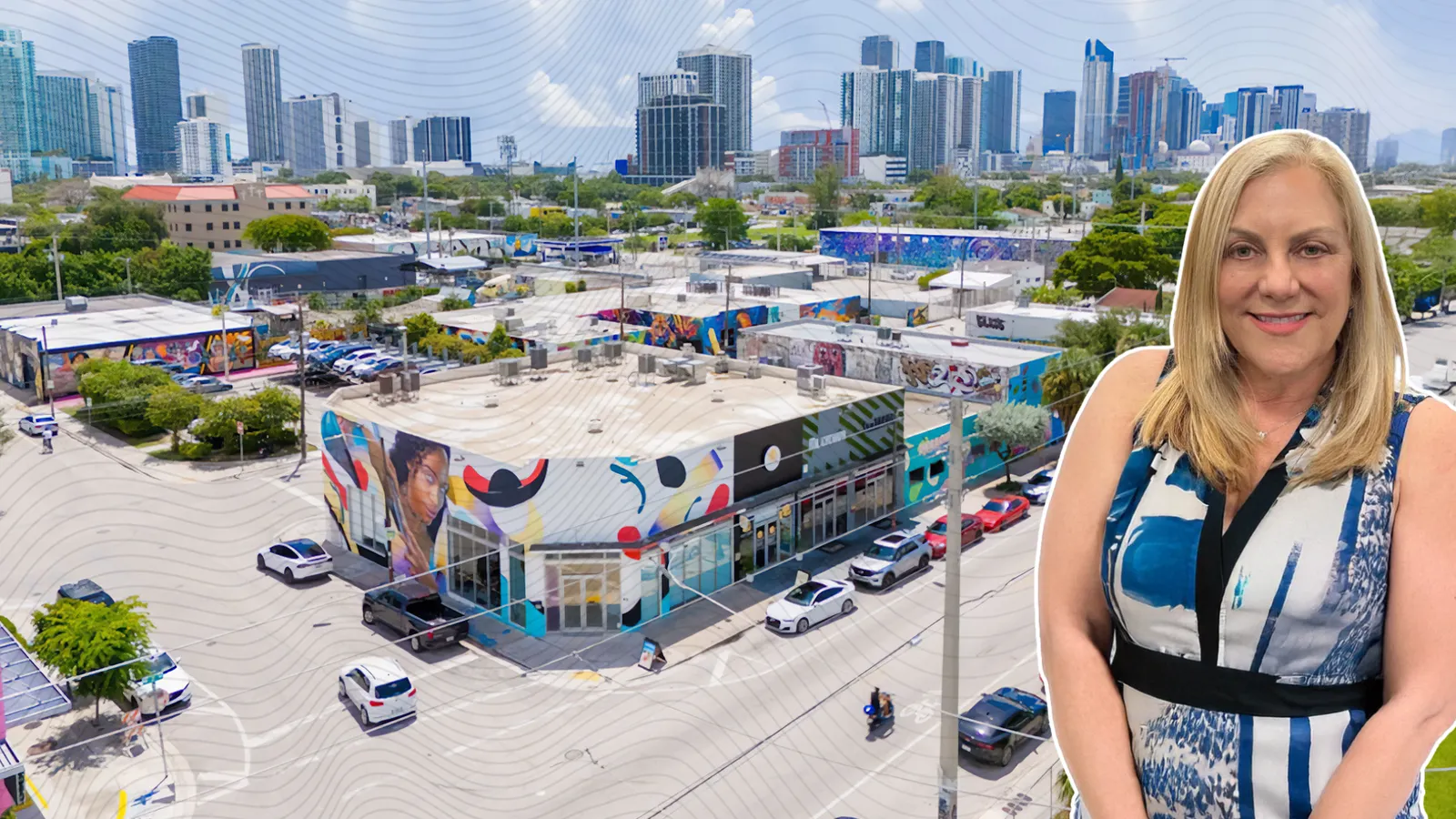
Unlike the former warehouse zones surrounding it, Wynwood Norte was built as a residential neighborhood. Its colorful bungalows and small walk ups date mostly to the 1950s and 1960s, when the area became known as Little San Juan, a hub for Puerto Rican families. That legacy matters. Strict zoning and small lot sizes historically limited developer interest, helping preserve a grounded, community oriented feel even as surrounding districts transformed into luxury retail and high rise apartments.
Today, that history is shaping how growth is allowed to happen.
Community Planning Changes the Equation
Fearing the spillover effects seen in nearby Midtown and the Design District, residents and local organizations formed the Wynwood Community Enhancement Association in 2018. After a year of consultation with renters, owners, businesses, and city officials, the group produced the Wynwood Norte Community Vision Plan. Approved in 2021, it relaxed some development rules while adding guardrails. Building heights are capped in most areas, lot aggregation is limited, and developers can earn extra density only by providing public benefits like affordable housing or open space. This balance is what makes the model notable for real estate professionals.
What Is Being Built Now
Growth is happening, but selectively. Along the southern edge, projects like Wynwood Plaza have delivered hundreds of new rental units in taller buildings meant to attract investment and activate the area. Inside the neighborhood, most new buildings are limited to three or four stories. One example at 315 NW 32nd Street replaced a single duplex with 24 rental units, made financially viable by eliminating parking requirements. That change alone saved millions in construction costs and helped keep rents lower. Over the next few years, these smaller projects are expected to add hundreds of new homes without overwhelming existing infrastructure.
Why This Matters for Investors
Single-family homes are becoming increasingly scarce in Miami. According to Analytics Miami, listings under $500,000 have collapsed since the pandemic. Protecting low-rise housing stock while allowing targeted density adds long term value and stability. For developers, the new zoning reduces land acquisition pressure while offering predictable paths to approval. For landlords, it supports rent growth without the volatility that comes from unchecked overbuilding. Institutional tenants are already nearby. Major employers, tech firms, and professional services are expanding in Wynwood, Midtown, and the Design District, strengthening housing demand across the area.
Risks Still Remain
Infrastructure will need to catch up. Transit improvements, road safety, lighting, and waste services are already under strain. Planned rail expansions will help, but not until later this decade. Still, as Miami’s condo market shows early signs of cooling, the measured approach in Wynwood Norte may prove more resilient than speculative high-rise corridors.
Bottom Line
Wynwood Norte is not anti-growth. It is pro balance. By letting residents help shape zoning, the neighborhood is absorbing new housing, attracting capital, and preserving its identity at the same time. If it works long term, Wynwood Norte could offer a roadmap for how Miami grows without erasing the communities that made the city desirable in the first place.