

Mar 30, 2026
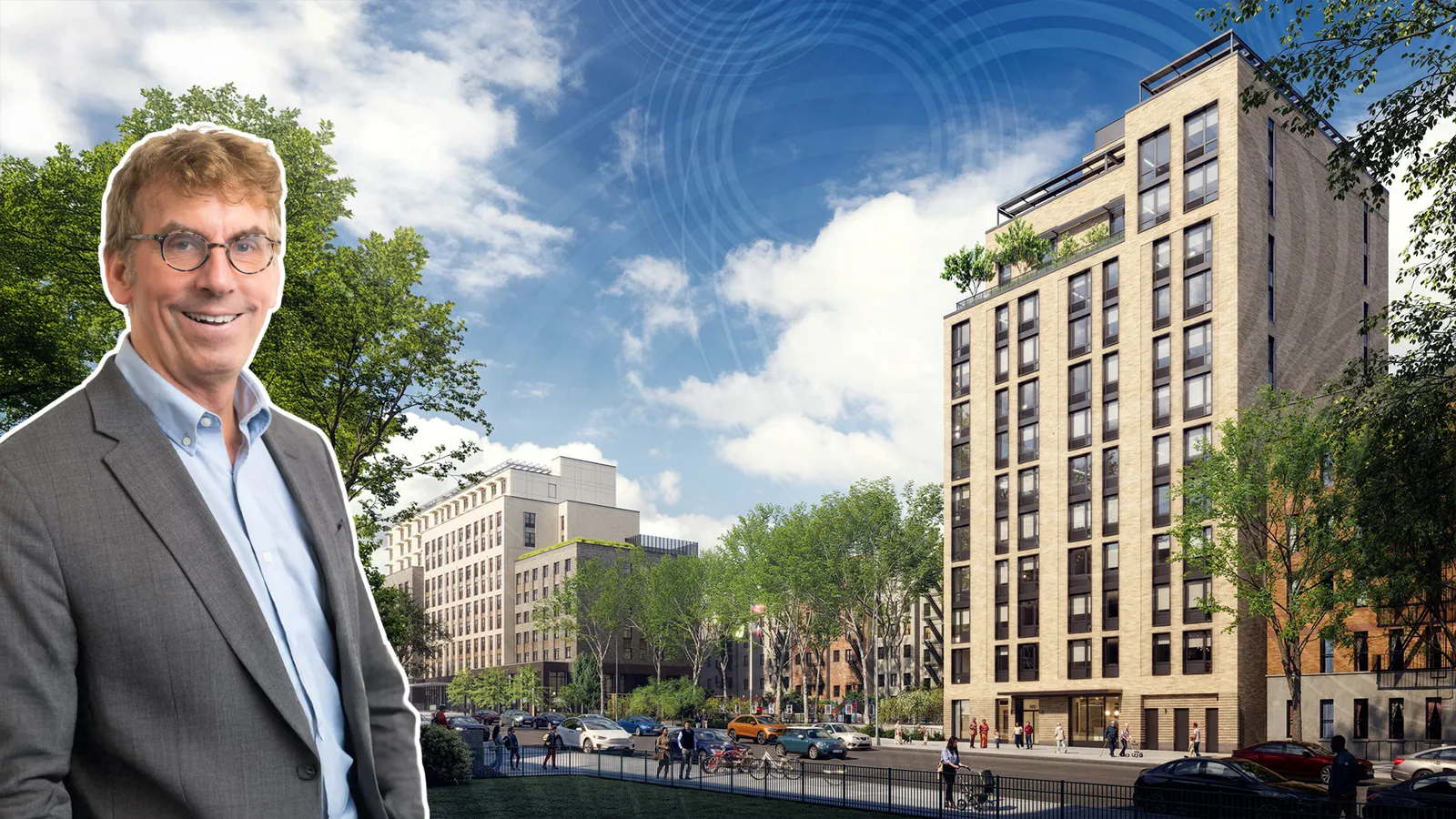
WSFSSH Breaks Ground On 84-Unit Senior Housing Project At 105 West 108th Street
Traded Media

Traded Editorial
- 84-unit affordable senior housing project underway on Upper West Side
- Fully electric, Passive House-designed building targeting energy efficiency
- Backed by multiple public and institutional funding sources
What the project adds to the Upper West Side housing supply
What the affordability structure means for income stability
The project is structured as fully affordable housing, with tenants paying no more than 30 percent of their income through Section 8 support. Units will be split between supportive housing placements and lottery-based affordable units. This model ensures stable, government-backed rental income, reducing vacancy risk and providing long-term predictability. However, it also limits rent growth, making returns more dependent on subsidies and financing structure rather than market-rate upside.
What the funding stack says about deal viability
The project is backed by a deep pool of public and institutional capital, including the New York City Department of Housing Preservation and Development, New York City Department of Homeless Services, and JPMorgan Chase, along with Capital One and Enterprise Community Partners. This layered capital stack is typical for affordable housing in New York, where projects rely on tax credits, subsidies, and institutional lending to pencil out. It also reflects continued political and financial support for supportive housing development.
What the design and sustainability features mean for future standards
What the location means for long-term demand
Located near Central Park and the Cathedral Parkway subway station, the project benefits from prime Upper West Side positioning with strong transit access. Even as a fully affordable asset, the location supports long-term demand stability, particularly for senior housing, which remains undersupplied across New York City.
What this signals for Manhattan affordable housing trends
This project highlights the continued expansion of supportive and senior housing across high-cost neighborhoods, driven by public policy and institutional funding. For investors and developers, it reinforces that affordable housing remains a policy-backed asset class, offering stability through subsidies while requiring complex capital stacks and partnerships to execute successfully.