

Feb 21, 2026
WM Opens $90M AI Powered Recycling Facility in Pembroke Pines, Expands South Florida Industrial Footprint
Traded Media

Traded Editorial
Key Points:
- Waste Management invests $90 million in new Pembroke Pines recycling facility
- Plant will process 275,000 tons annually using AI and optical sorting
- Part of $1.4 billion North American expansion plan through 2026
A High Tech Industrial Asset
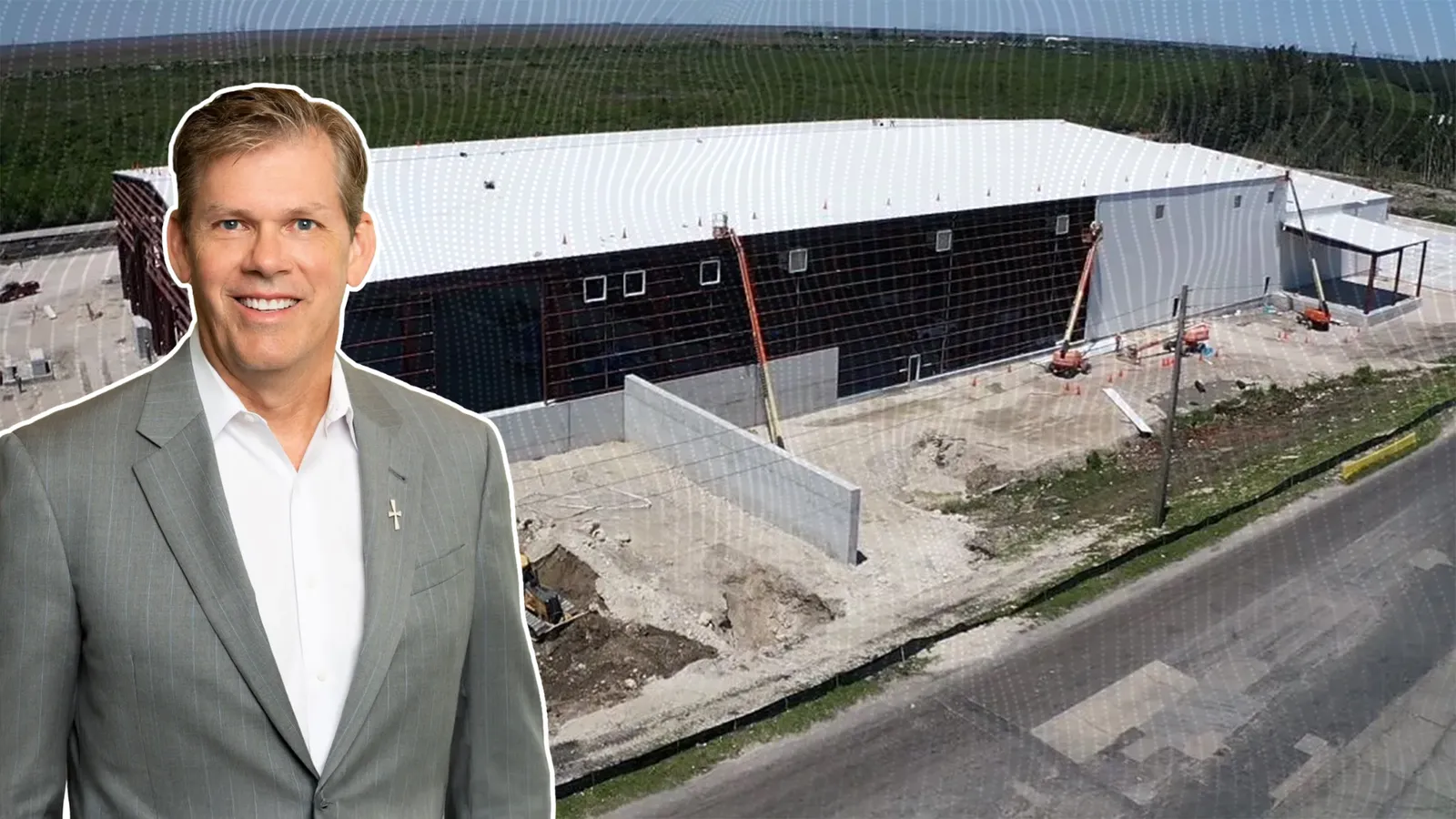
The new facility is designed to process approximately 275,000 tons of material per year. It leverages 18 optical sorters, artificial intelligence systems, volumetric scanners, and enhanced fire suppression technology.
This level of automation allows the plant to:
• Sort additional plastic types, including polypropylene containers
• Reduce contamination rates
• Improve bale quality for resale feedstock
• Increase overall throughput efficiency
For landlords and developers, this signals continued demand for advanced industrial facilities that can support automation-heavy operations. Modern recycling plants now resemble tech-enabled logistics hubs rather than traditional waste processing sites.
Strategic Expansion in South Florida
Pembroke Pines sits within one of Florida’s fastest-growing population corridors. As residential density rises, so does demand for waste management and recycling infrastructure. WM leadership described the facility as one of its highest volume locations companywide. That scale reinforces South Florida’s role as a long-term growth market, not just for housing but for essential infrastructure. Industrial users tied to utilities, recycling, and logistics often anchor stable long-term tenancy in regional markets. These are operationally critical assets that tend to perform across cycles.
Part of a $1.4 Billion Capital Deployment
The Pembroke Pines opening is one piece of WM’s larger plan to invest more than $1.4 billion between 2022 and 2026 across 39 new or upgraded recycling facilities in North America. By the end of 2026, those investments are expected to add 2.8 million tons of incremental annual processing capacity. For CRE professionals, this is a clear signal that infrastructure-aligned industrial product remains a priority for institutional capital. Facilities supporting circular economy initiatives are increasingly tied to ESG mandates and municipal contracts, which can create predictable revenue streams.
Industrial Development Tailwinds
South Florida continues to see tight industrial vacancy and sustained rent growth, particularly in Broward and Miami-Dade counties. Large-scale facilities like WM’s require significant land, power access, and modern building specs. As municipalities push sustainability targets and recycling rates higher, demand for technologically advanced processing centers is likely to increase. That supports long term industrial absorption in infill and near-infill submarkets.
Bottom Line
WM’s $90 million investment in Pembroke Pines is more than a recycling plant opening. It is a signal that infrastructure-driven industrial development remains strong in South Florida. For landlords and developers, essential service facilities backed by major operators offer durability, scale, and long-term demand visibility in one of the country’s most active growth markets.