

Feb 19, 2024
Will Apple Vision Pro's Augmented Reality Tech Revolutionize Commercial Real Estate?
The cutting-edge Vision Pro goggles by Apple have ushered in a new era of augmented reality technology, seamlessly blending the digital realm with our physical surroundings.

Traded Editorial
The cutting-edge Vision Pro goggles by Apple have ushered in a new era of augmented reality technology, seamlessly blending the digital realm with our physical surroundings. This advancement is not merely a gadget release but rather a gateway to a future where the boundaries between the virtual and real world blur.
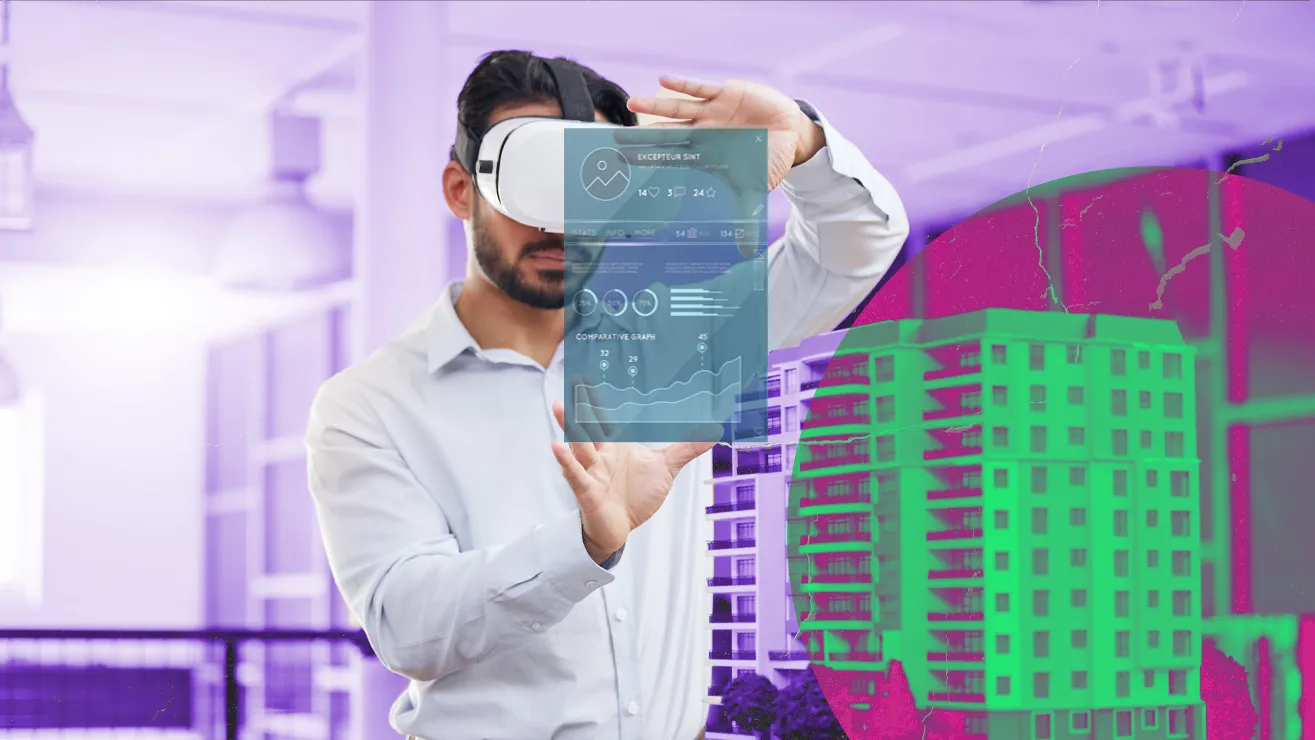
Architects today are embracing the technological marvel of virtual reality to revolutionize the way they bring their designs to life. Baker Barrios Architects, based in Orlando, utilizes advanced VR systems, like HTC and Oculus, to immerse clients in empty sites where they can visualize their projects at a realistic scale. This interactive experience allows for swift modifications to designs, enhancing the overall feel of a space. The use of VR isn't novel, but recent advancements have elevated its effectiveness. With the potential for further enhancements from industry giants like Apple, the future of architectural visualization seems boundless.
The application of VR extends beyond architects to developers like CRG, who use it to fine-tune their projects. CRG's Vice President, Louie Colella, recounts how a student housing project in Wisconsin underwent a transformation after using VR images, replacing standard conference rooms with modern study pods to enhance the lobby's flow. This dynamic integration of VR into the design process enables quick decision-making and cost-effective adjustments. As technology progresses, tailored virtual environments specific to properties will become integral sales tools, provided they deliver on the technological front.
CRG's innovative marketing strategy for a student housing tower in Phoenix is another testament to the power of VR. By utilizing drone imagery to create immersive VR representations showcasing the views from different units, CRG enables potential buyers to envision their future living spaces vividly. This strategic use of VR not only enhances marketing efforts but also sets a new standard for engaging prospective clients in the real estate market. The fusion of VR technology with traditional architectural practices is reshaping the industry landscape, offering a glimpse into a future where design decisions are made with unprecedented clarity and efficiency.
Embracing Virtual Realism in Property Presentation
Infusing innovation into the property market, developers have turned to Virtual Reality technology as a revolutionary tool not only to engage potential clients but also to garner support from local authorities. The shift towards using Virtual Reality, compared to traditional renderings and elevations, has redefined the approach to showcasing real estate developments. By offering an immersive and detailed virtual experience, stakeholders can explore every aspect of a property, envisioning its design and integration within the community seamlessly. However, the adoption of Virtual Reality does raise concerns about privacy risks, highlighting the need for heightened security measures as technology progresses.
New Horizons Ahead
As technological innovations continue to shape the landscape of the business realm, the ever-evolving concept of the Metaverse, once hailed as a revolutionary platform for virtual interactivity, now stands at a crossroads. While past trends in the tech industry have faced the risk of fading into obscurity, the emergence of novel opportunities within the nascent field remains a beacon of hope for professionals within the commercial real estate sector. Embracing the idea that everyday tools could serve as invaluable data sources, the potential for seamless integration between human cognition and digital interfaces presents itself as a logical progression in the ongoing narrative of technological advancement.