

Jun 18, 2024
What’s the Deal? | Inside Stevenson Square with Rick Gropper
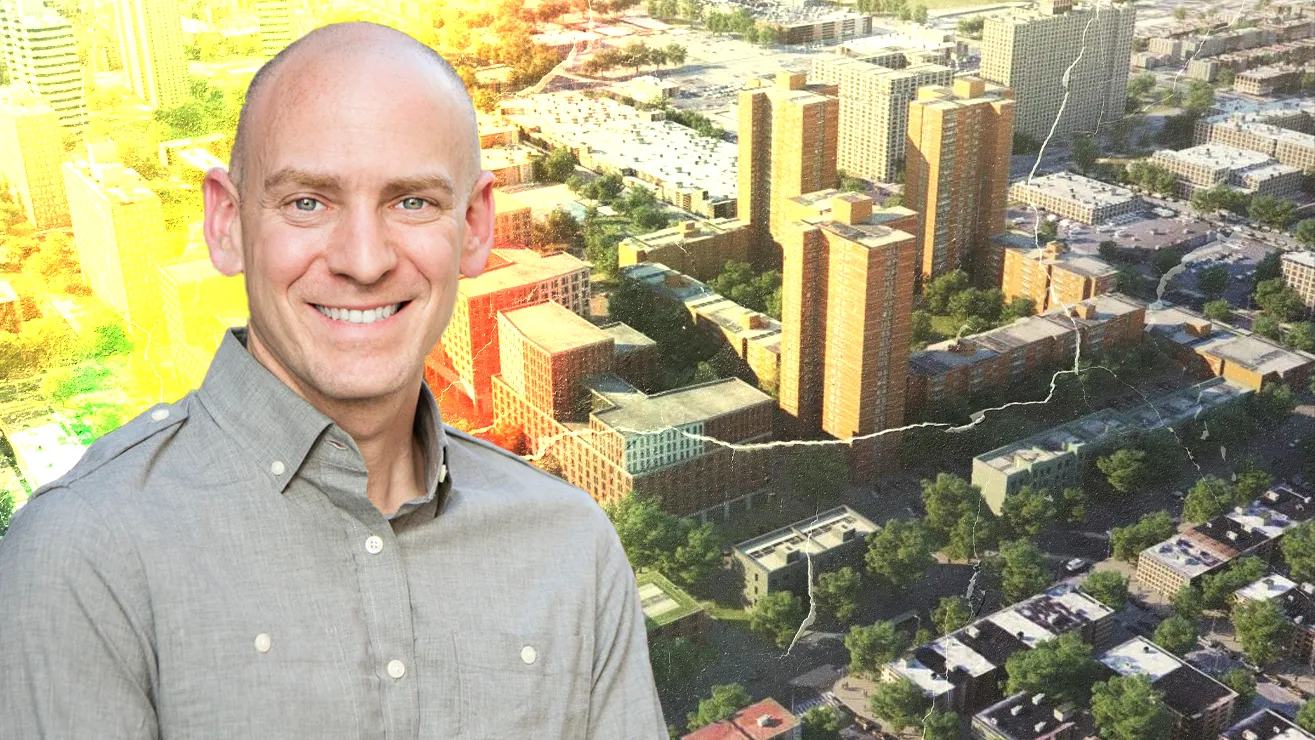

Traded Editorial
What attracted you to the site for Stevenson Square?
The scale of the site was quite impressive, as there were 948 units of existing affordable housing with a large, underutilized piece of land attached to it along with underused parking. We saw that there was a lot of potential and a real need for someone to come in and preserve this asset whose affordability was expiring. It was in the Mitchell-Lama program,which is a type of regulated housing that the State established in the late 1950s. We recognized a need and opportunity to renovate the property to maintain affordability and preserve the quality of housing. This ensures that residents of the complex don’t face steep rent increases should the property be purchased and converted to market-rate housing.
Why the interest in preserving affordability?
Affordable housing is vital, especially these days, when rent continues to climb higher. People are spending their entire paycheck on rent, and when this happens you don't have the money that you need to provide for yourself or your family on essential items like education, clothing and food. There's simply more demand for affordable housing than there are places to do it, funding sources, and people who can get the deals done. It's a unique problem and a really important one that we need to continue to tackle. One of the things that I've always done and that we do at Camber is take an aggressive approach to problem solving. We ask ourselves, “What can we do to make a difference, to work with the community, work with the residents, and make a dent in the affordable housing crisis in New York City?”
How did you secure financing for the deal?
We bought the Stevenson development in 2017, and the first step of the transaction was to extend the affordability, put new financing in place, and renovate the complex. We met with the residents and explained the plan early on to get their support, which was huge. There is a fairly active resident population at Stevenson and people had a lot of complaints and issues about the former owner; and that's something that we frequently experience when we go into a new property. It can be an unsettling time for the residents because people don't know who we are, they may not understand what's happening, and there's a history of promises not being fulfilled. So the first step is always meeting with the residents and having an honest conversation about what to expect.
After seeing the need to preserve the asset, we worked with different city agencies to secure financing. The financing consisted of tax exempt recycled bonds, subsidy and a new project-based Section 8 contract for part of the property. These sources enabled us to lock in the rents for the current residents and complete a $36 million renovation of the property including critical infrastructure, common areas, kitchens, and bathrooms. We also stabilized a central courtyard that was sinking because of the soil conditions in that area of the Bronx and landscaped it into a really nice amenity for residents. From the point of closing and beginning of the renovation forward, the residents could see that we were making a difference.
What were the challenges you faced on this project?
There are always challenges when combining an existing regulatory framework with new, especially when introducing new financing. So just the overlap and the interplay between all of these things can make it very challenging. One of the issues here, which is consistent with many Mitchell-Lamas, is that the rents were low due to the rental increase process. The Mitchell Lama program requires the owner to go through a lengthy public process to increase the rents even by 1% or 2%. Many owners just don’t do it and this was the case at Stevenson. Expenses can go up by 8% in a single year, so rents should increase slightly at least to keep pace with inflation. This is the case even in affordable buildings, otherwise an owner will be unable to continue to pay operating expenses.
Stevenson had very low in-place rents we certainly couldn’t increase the rents dramatically and push a big rent increase onto the residents for a lot of reasons. We were instead able to secure a new project based Section 8 contract for the property. We went through the resident base and helped everybody who qualified obtain a Section 8 voucher. This meant residents providing their income documentation to verify that they fell below 50% of the Area Median Income and go through an apartment inspection. Residents found the Section 8 opportunity very valuable; if somebody loses their job or if for whatever reason household income goes down, the Section 8 voucher picks up the difference. Essentially, residents pay 30% of their income towards rent and HUD pays the rest up to “market.” The Section 8 vouchers provided income to operate the property effectively and at the same time prevented residents from experiencing any kind of material rent increase.
What are some of the specific challenges in developing affordable housing?
There’s a huge demand for affordable housing in the City and across the country. The way to make the biggest impact is to employ every tool we have to preserve the existing housing stock and build new. Stevenson Commons is an example of multiple types of affordable housing, all in the same place. We have a Mitchell-Lama which included the 948 units that we preserved including extending the affordability for additional 30 years. We also have a development component where we're going to build about 1000 units in several phases. When we're done, we'll have used many different tools that we have to build affordable housing.
What are your future plans for this project?
In the first phase, there will be 58 units of affordable homeownership offered to people who make 70- 80% of the Area Median Income. Residents will be able to build equity over time and buy into a co-op ownership structure allowing them to create wealth through the ownership of their homes. The first phase will also include an affordable senior housing development with services provided in the building to support the senior population. We’ll use Section 8 as well in this new building to ensure that the residents who move in will be able to pay their rent and live comfortably.
We anticipate completing mixed-income buildings in the subsequent phases, where we'll have housing for a broad spectrum of people who earn different percentages of the Area Median Income. For example, we anticipate providing housing for people at 20% of AMI all the way up to moderate income at around 80% of AMI. The more we can do to create a broad spectrum of housing opportunities at different income levels, the greater impact we'll have on New Yorkers who need those types of housing the most.
Who were the key partners for this project?
Affordable housing transactions are generally public-private partnerships where we're working shoulder to shoulder with our government partners. At Stevenson Square, we collaborated with the city and the state housing agencies as well as the Federal Government, HUD, to make these transactions possible. On top of that, we frequently joint venture with nonprofit partners, including Habitat for Humanity as is the case in the homeownership component. In the senior building, we have a nonprofit that does senior housing, which is called Regional Aid for Interim Needs (RAIN). RAIN will be providing services and activities for the seniors who live in that building.
How did you get started in Commercial Real Estate?
I went to grad school at Columbia and completed the real estate development program there. I made the switch into real estate development from a different industry, but when I graduated in 2008, the market was terrible. I had one job offer – an internship with L+M Development Partners. I accepted their offer and loved the work and opportunity to learn from the ground up. I worked on literally everything from talking to banks and investors to dealing with construction related issues. And that's really where I learned to understand the development process. So I interned there for a year, and they finally offered me a full time job. After working there for about eight years, I started Camber Property Group with my partner Andrew in 2016.
What advice would you give to an aspiring real estate professional looking to get into development?
I think one of the things that I and some of my classmates from grad school found was the importance of learning the development process by living it. If you want to get into real estate development itself, somewhere that is small and entrepreneurial will really give you a lot of exposure to the nuanced aspects of the process. We’ve imparted that philosophy at Camber where we provide a ton of support to our team, but also a lot of flexibility to go out, do things and learn. We encourage our team to figure out how to do things better versus accepting the status quo, whether that’s related to a development project or the operation of our company. That goes for everyone, no matter where they sit within the firm.
Traded Student Ambassador Program
This interview was conducted through Traded’s Ambassador Program in collaboration with Keith Furtado of Ruthger's University.