

Feb 19, 2024
WeWork Seeks New Financing Amid Landlord Disputes in Bankruptcy Proceedings
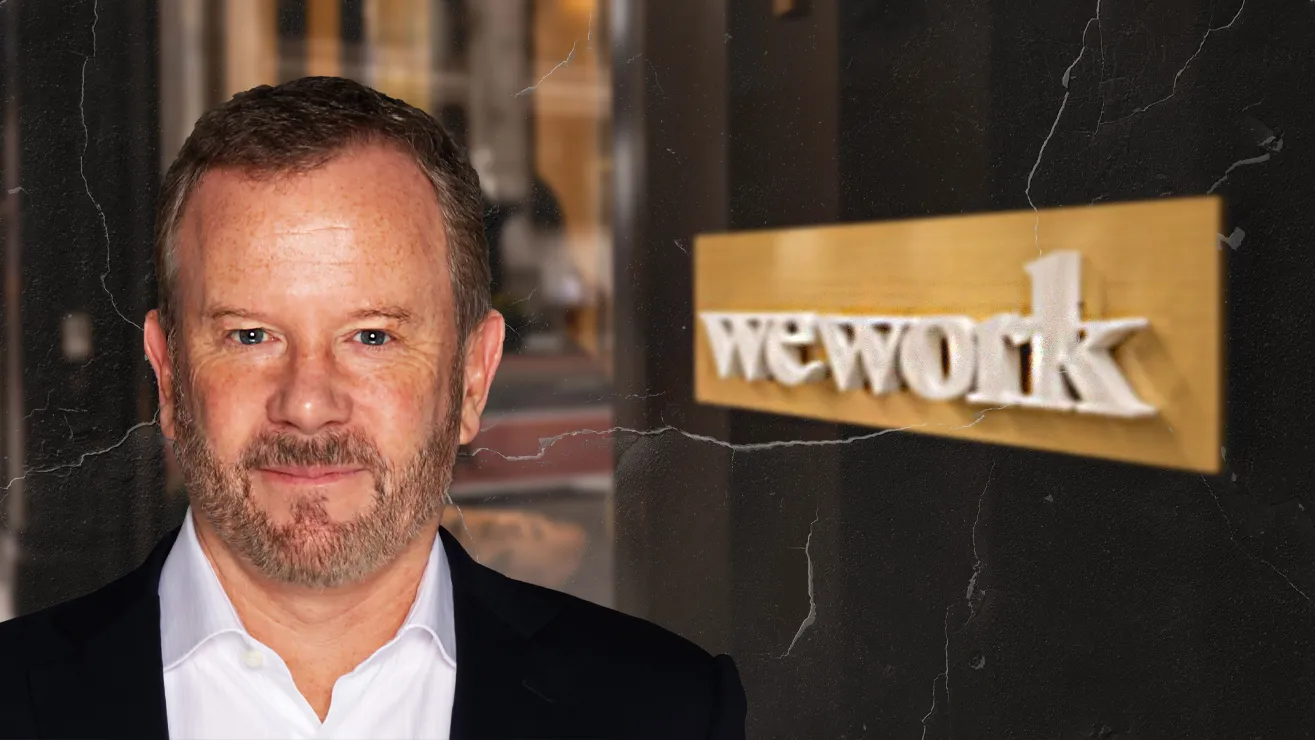
WeWork finds itself at a critical juncture in its bankruptcy proceedings, actively seeking fresh financing to navigate rent negotiations and restructure agreements with landlords.

Traded Editorial
WeWork finds itself at a critical juncture in its bankruptcy proceedings, actively seeking fresh financing to navigate rent negotiations and restructure agreements with landlords. The Chapter 11 reorganization is now mired in escalating tensions as the company faces accusations of withholding rent payments, countered by WeWork's stance that landlord inflexibility is impeding the restructuring process. Allegations of slow progress in lease negotiations, juxtaposed with the continued use of spaces and collection of dues, have fueled dissatisfaction among property owners.
A Shifting Strategy
WeWork chose a strategic angle by retaining approximately $33 million in January rent to prompt landlords into negotiations. Despite this, the company asserts that most landlords are safeguarded with financial measures such as letters of credit and surety bonds. WeWork contends that compelling immediate rent payment before finalizing a reorganization strategy depletes its already limited resources, potentially endangering its continuity.
Lease Overhaul
Integral to WeWork's bankruptcy maneuver are the rejection of over 90 leases domestically and the restructuring of about 60 lease agreements worldwide, resulting in a substantial reduction in rental costs, saving an estimated sum exceeding $1.5 billion. Nevertheless, certain landlords accuse WeWork of insincerely engaging in lease renegotiations, citing instances where the company sublets spaces without honoring rental obligations to the principal lessor.
A New Horizon for WeWork
The whispers about Adam Neumann's resurgence hover in the air, hinting at a potential return to WeWork, escorted by the shadow of hedge funder Dan Loeb. However, the once-brimming enthusiasm seems to have simmered down, casting doubt on the veracity of such whispers.