

Sep 9, 2025
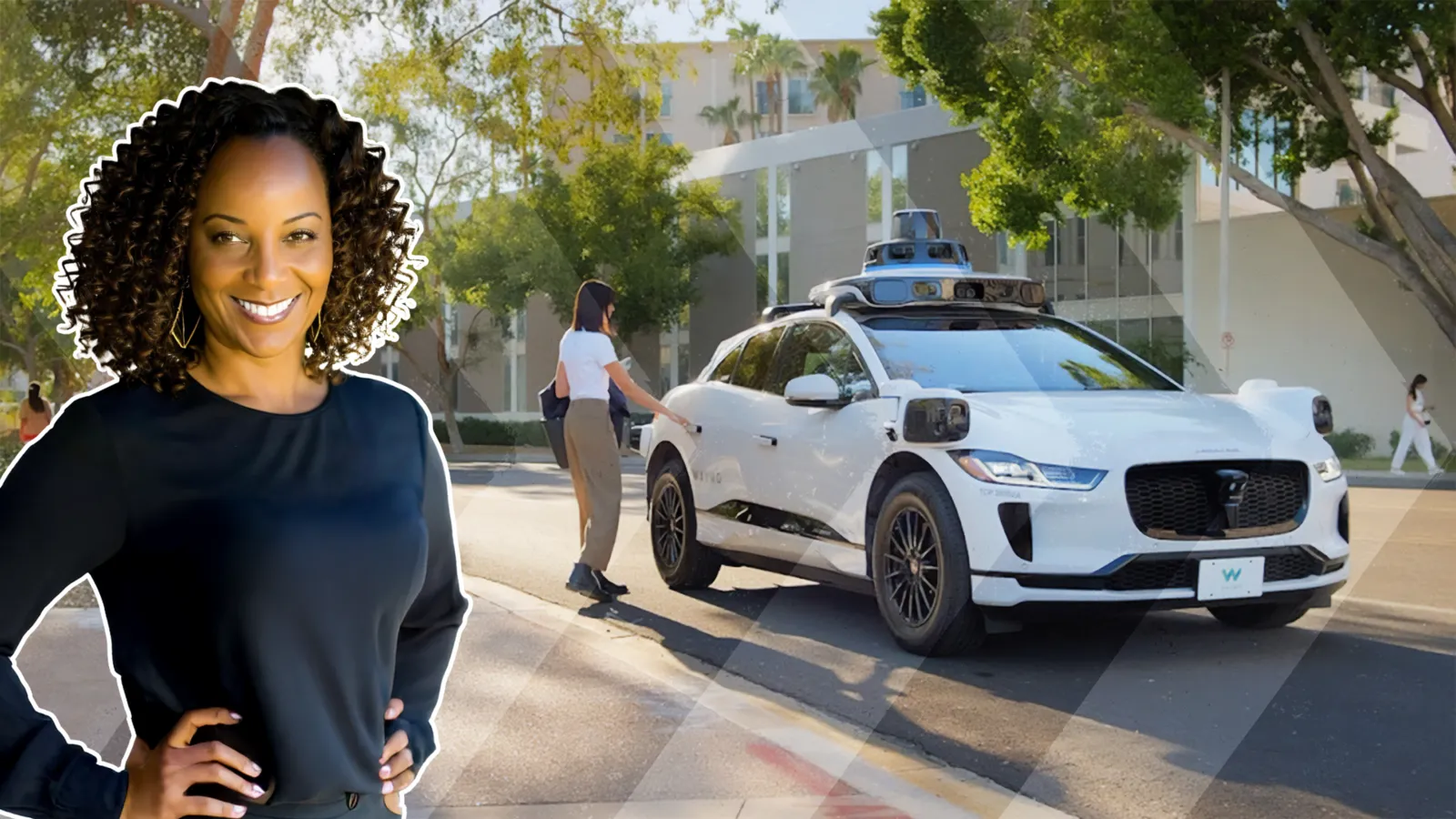
Waymo’s $631K Bet: How Self-Driving Taxis Could Reshape NYC Real Estate
The integration of self-driving taxis may revolutionize urban commuting and influence real estate dynamics.

Traded Editorial
Key Points:
📈 Waymo successfully secured a permit for autonomous vehicle testing in New York City in just two months.
💲 The company has invested significantly in lobbying efforts over the past five years to navigate regulatory hurdles.
🏘 The integration of self-driving taxis may revolutionize urban commuting and influence real estate dynamics.
Strategic Entry into New York
Waymo's recent entry into the bustling landscapes of New York City may seem swift, but it's actually a culmination of extensive groundwork over several years. In June of the current year, the company submitted a request for a permit, and by August, it became the first organization authorized by city officials to conduct tests with autonomous vehicles on the streets of New York.
Years of Investment and Planning
Behind this unveiling lies a five-year journey where Waymo has invested over $631,000 into local lobbying firms such as CMW Strategies and Bolton-St. Johns. These efforts have been pivotal in shaping the legislative framework necessary to operate within the country's largest urban center. Their commitment underscores the complexities involved in establishing a foothold in an environment characterized by intense regulatory requirements.
Real Estate Impact
The implications of Waymo's advances extend beyond merely testing new technology; they are poised to redefine transportation and, consequently, real estate in New York City. As self-driving taxis gain traction, there could be a significant alteration in how people navigate the metropolis, which will inevitably influence property values, leasing strategies, and development projects.
Reimagining Urban Spaces
For retail sectors, the rise of autonomous taxis has the potential to modify high-traffic areas significantly. Certain shopping districts may witness increased accessibility, while other locations could experience a decline in pedestrian activities. In office and mixed-use developments, an expansion of robotaxi services might reshape commuting patterns, driving interest in areas less served by traditional transit. In multifamily housing, properties well-integrated with autonomous vehicle options could see increases in rental prices as residents seek reliable alternatives to conventional public transport.
The Lobbying Journey
Waymo's approach to lobbying echoes a calculated investment strategy, one resembling the rhythms of real estate development. Their series of outreach efforts have unfolded in phases. Following the election of new administrative leadership, Waymo increased its lobbying efforts, securing a permit to operate a fleet of eight Jaguar I-PACE vehicles in key boroughs. This included hiring firms focused on fostering valuable connections with city officials, showcasing a well-orchestrated strategy for success.
Challenges Ahead: The Albany Block
Despite securing local permits, the path remains obstructed by existing state legislature which still forbids fully autonomous taxis from operating without a human driver. Waymo will need to broaden its lobbying efforts in Albany to lift these restrictions. With plans to engage state lawmakers in order to legalize fully self-driving vehicles, their adaptability will be tested in this next phase of advocacy.
Preparing for Transformation
Should Albany enact laws permitting entirely driverless taxis, the ripple effects across New York City’s real estate ecosystem could be significant. Opportunities may emerge for re-purposing parking infrastructure as demand shifts, opening avenues for innovative developments. The potential expansion of “15-minute neighborhoods” might alter real estate investment strategies, while the influx of autonomous taxis could initiate transformations in ground-level commercial spaces, honed for better integration with these new transportation modalities.