

Nov 22, 2023
Unraveling the Complexity of Turning Boston's Offices into Homes
As the world continues to adjust to the new normal of remote work, the concept of transforming vacant office spaces into residential units seems like an ideal solution.

Traded Editorial
Office-to-Residential Conversions: A Complex Puzzle in the Real Estate Landscape
As the world continues to adjust to the new normal of remote work, the concept of transforming vacant office spaces into residential units seems like an ideal solution. However, the reality of this conversion process is far more intricate than it appears. This article delves into the complexities of office-to-residential conversions, particularly in bustling metropolitan areas like Boston.
The Challenge of Converting Modern Office Buildings
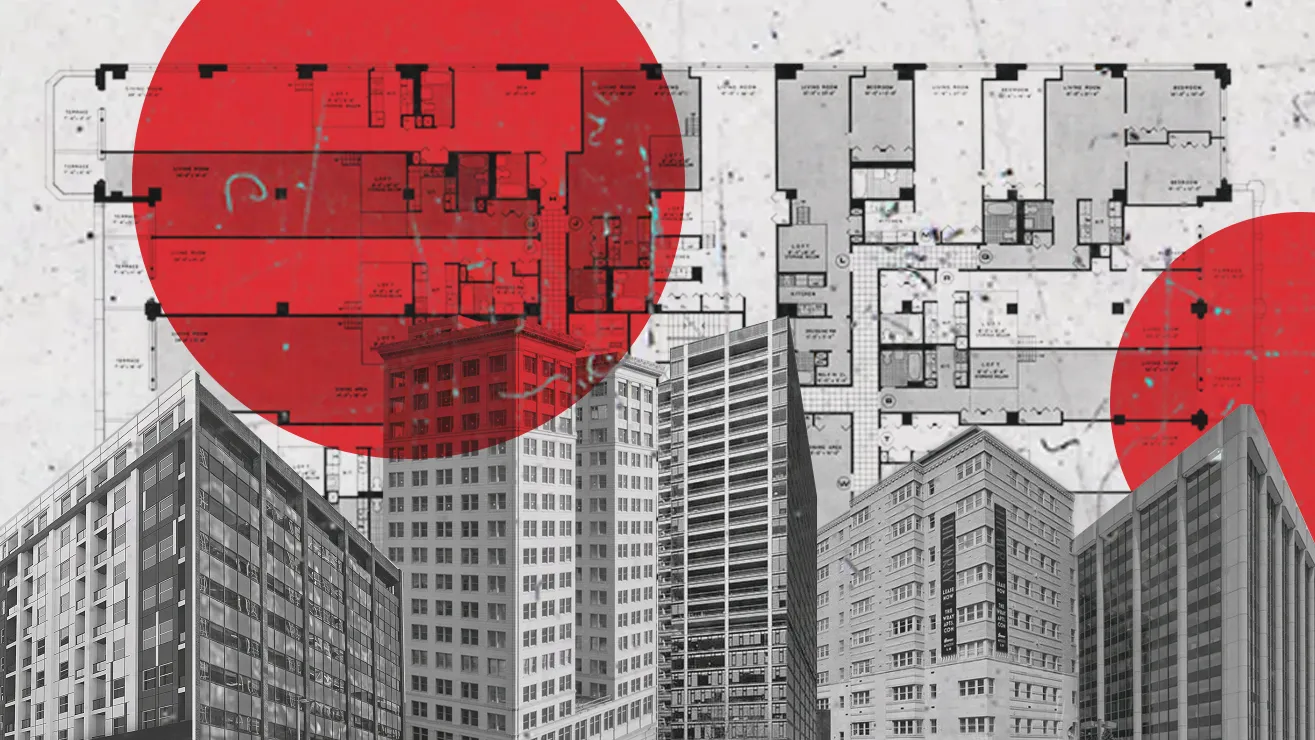
According to Tim Love, an associate professor at Northeastern University and the founding principal of Utile, a Boston-based architecture and planning firm, the conversion process is not as straightforward as it seems. Love explains that pre-World War II office buildings are more suitable for conversions due to their narrower wings, a design necessity for natural light and ventilation before the advent of affordable electricity and air conditioning.
However, office buildings constructed post-1970 present a more significant challenge. These modern structures typically have larger floor plans, facilitated by central climate control systems and cheap electricity, making them less suitable for conversion into residential units.
Metropolitan Areas Leading the Conversion Push
Despite the challenges, major cities like New York City, San Francisco, and Boston are at the forefront of the office-to-residential conversion movement. These cities are exploring various strategies, including tax abatements, to encourage building owners to consider conversions.
However, a recent study by Utile revealed that out of 380 commercial buildings in downtown Boston, only 55 were potentially suitable for conversion. The main reasons for this limited number include the larger floor plans of modern office buildings and specific building code requirements, such as the need for all bedrooms to have a window.
The Intricacies of Office-to-Residential Conversions
Converting an office building into residential units involves more than just redesigning the interior. It also includes complex considerations like converting centralized heating and air conditioning systems into individually metered systems for each apartment. Moreover, the cost of replacing a building's windows to allow for opening and closing can be prohibitive.
Despite these challenges, Love believes that cities should implement aggressive policies to encourage conversions. This approach could not only alleviate the housing crisis in areas like Greater Boston but also breathe new life into downtown areas post-Covid.
In conclusion, while the idea of converting office spaces into residential units is appealing, the process is fraught with complexities. However, with the right strategies and incentives, it could become a viable solution to the current real estate challenges.
Meta Description
Discover the complexities of converting office spaces into residential units in the post-pandemic world. Learn why this process is more challenging than it appears and how cities like Boston are leading the conversion push.