

Jan 26, 2026
University of Miami Moves Forward With Coral Gables Hospital Plan Impacting Campus Real Estate Growth
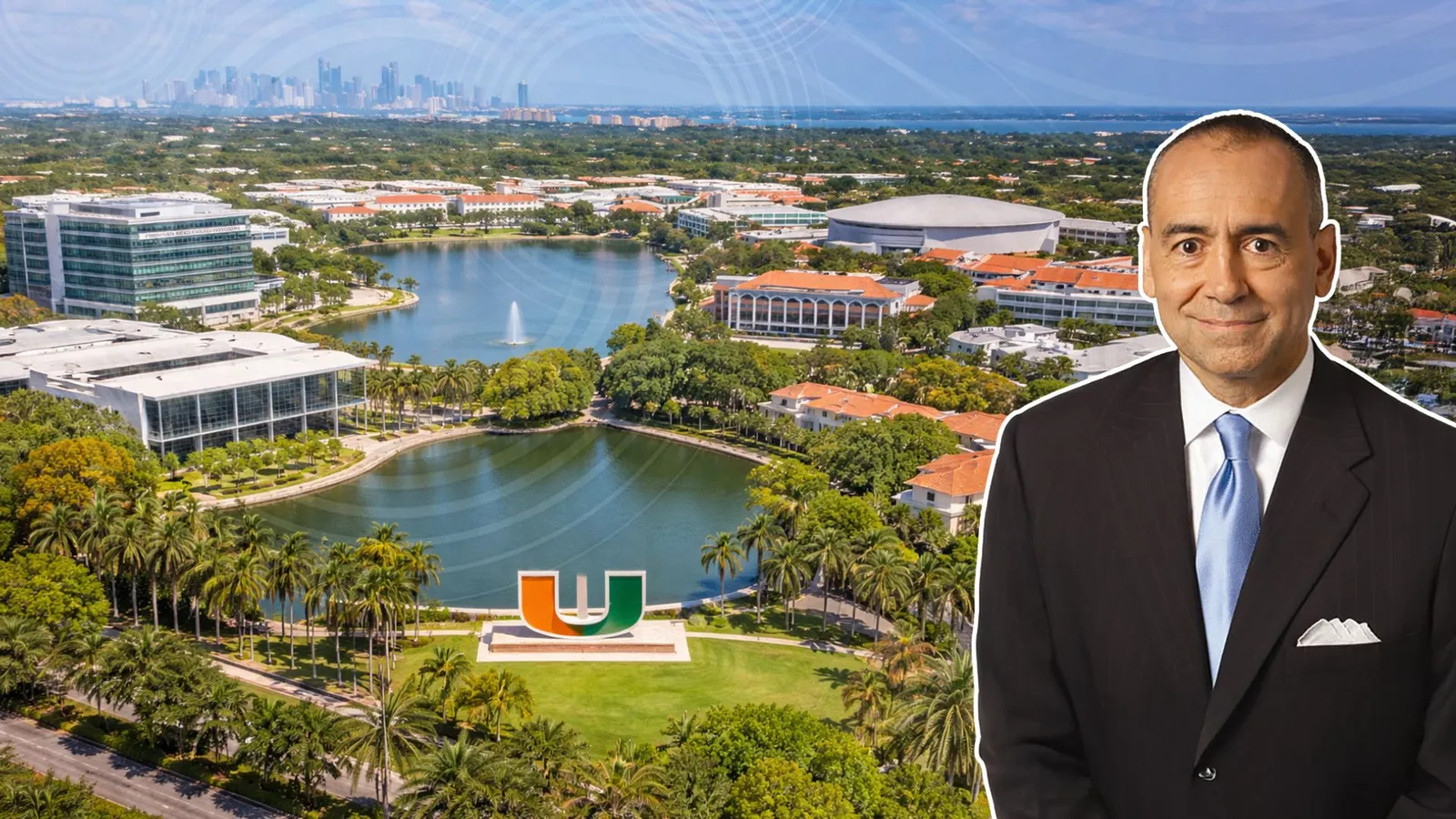
Traded Media

Traded Editorial
Key Points
- University of Miami eyes new hospital on its Coral Gables campus, pending city review.
- City plan amendments would allow 30% increase in building size and expanded campus boundaries.
- Hospital would sit adjacent to University Metrorail Station, enhancing transit-oriented development potential.
Hospital Plans and Location
The university’s proposal would establish a new hospital on a parcel currently used as a parking lot near the University Metrorail Station and the Watsco Center. The envisioned facility would provide inpatient, outpatient, and emergency care, representing a major expansion from UM’s current health care footprint, which presently includes the Lennar Foundation Medical Center (an outpatient facility) but not a full hospital on the main campus.
Locating the hospital next to a transit hub is particularly strategic, offering access for patients, staff, and students, and enhancing the appeal of the surrounding area to developers and investors focused on transit oriented development and mixed use projects that capitalize on mobility infrastructure.
Zoning and Campus Development Changes
To enable the hospital and other growth, the University of Miami is pursuing amendments to its Campus Development Agreement with the City of Coral Gables. The city’s Development Review Committee scheduled a review of the amended agreement on January 30.
Key elements include:
Building Size Increase: The proposal seeks to permit a 30% increase in total allowable building area on the campus. This change would boost development capacity significantly, expanding what the university can build both for medical facilities and other potential uses.
Retail Expansion: The campus retail cap would be raised from 15% to 20% of total space, suggesting broader commercial activity potential on campus.
Campus Boundary Expansion: The amended plan would extend the campus boundaries southward along Ponce de Leon Boulevard to Levante Avenue and Red Road, adding developable land within the campus zone. These zoning enhancements are critical for unlocking the university’s vision for a more robust, integrated campus that supports both academic and medical functions.
Economic and Land Use Implications
The hospital project holds notable implications for real estate and economic activity in and around Coral Gables:
1. Job and Service Growth: A major new hospital would bring a substantial number of jobs to the area, increasing daytime population and supporting demand for housing, retail, and services.
2. Transit Access Value: Proximity to the University Metrorail Station strengthens the site’s appeal. Properties near transit often command higher rents and valuation premiums, especially for residential and office uses.
3. Increased Density Potential: With the building size increase and extended campus limits, the University of Miami could drive future development activity on land that was previously capped at lower densities. This could influence both commercial and residential investment strategies nearby.
As noted in the city’s amendment filings, expanding the campus multi-use subzone “encourages infill and redevelopment in areas of the university campus that are directly across the street from the Miami Dade Metrorail University Station,” a direct nod to strategic land use that aligns with broader urban planning priorities.
Regulatory Tailwinds
An important contextual factor: Florida no longer operates a certificate of need (CON) program that historically limited new hospital approvals. Without this regulatory constraint, the University of Miami is free to pursue hospital development on its main campus without the need for state-level facility justification hurdles. This regulatory environment enhances the feasibility and timeline prospects for the project.
What Investors Should Watch
-
City Approval: Coral Gables Development Review Committee decisions and subsequent city commission actions will be pivotal for the hospital and zoning changes.
-
Detailed Project Plans: Investors should look for site plans, floor area ratios (FAR) impacts, and phased development schematics.
-
Nearby Land Use Activity: With campus boundary expansion, adjacent properties could see repositioning or redevelopment interest.
Conclusion
The University of Miami’s hospital plan is more than a health care facility proposal; it’s a catalyst for real estate growth and zoning transformation on one of Coral Gables’ most prominent campuses. With increased building capacity, retail potential, and transit adjacency, the development signals opportunity for long term investors and developers who track institutional-led growth and transit-oriented value creation in South Florida.