

Sep 9, 2024
Universities in Boston Aim for New Student Housing Solutions Amid Supply Deficit
As the fall semester begins, many students are facing difficulties due to high U-Haul prices and issues with moving trucks on Storrow Drive.

Traded Editorial
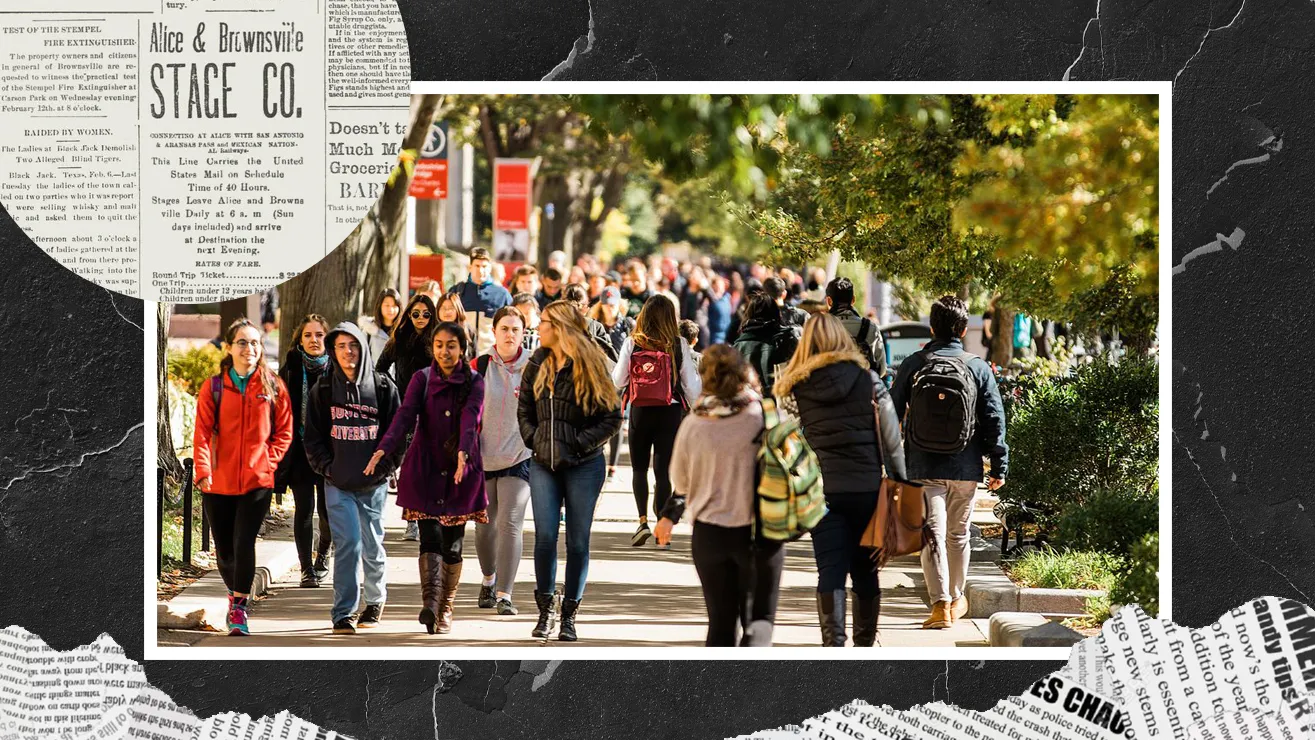
As the fall semester begins, many students are facing difficulties due to high U-Haul prices and issues with moving trucks on Storrow Drive. This yearly influx of students into Boston, home to 64 colleges and universities, has highlighted a significant housing shortage. Many institutions lack sufficient dormitory space, compelling students to seek off-campus apartments, which exacerbates the city's housing crisis.

Rising Enrollment and Housing Demand
From 2022 to 2023, undergraduate enrollment in Boston increased by 2.6%, with around 70,000 students living off-campus last year. Boston’s rental market is highly competitive, with a vacancy rate below 1% and one-bedroom apartments averaging $2,676 per month. In response to this housing shortage, city and state leaders are urging universities to take action.
Innovative Housing Solutions
To address the housing crisis, universities are exploring various strategies, including partnerships with private developers and repurposing existing buildings. Jennifer Schultz, a partner at Nixon Peabody, suggests that collaboration among institutions is crucial in this densely populated urban environment. For instance, Wentworth Institute of Technology is planning to construct approximately 1,400 new beds over the next decade.
University Initiatives for New Housing
Simmons University, with 1,700 students, is responding to requests from larger universities for housing assistance. In previous years, institutions often placed students in hotels or leased apartments, but this year, many are pursuing longer-term solutions. Suffolk University has taken significant steps, acquiring an office building to potentially convert into student housing, while Northeastern University is renovating a hotel to create more student accommodations.
Public-Private Partnerships on the Rise
Collaboration with private developers has become a common approach for universities seeking to expand housing options. Notable institutions, including MIT and Harvard, have engaged in public-private partnerships (P3s) to facilitate new developments. Northeastern has also partnered with American Campus Communities to build a new housing tower, following previous successful projects together.
Future Developments and Trends
Simmons University is working with Skanska on a mixed-use project that will enhance campus housing while also providing market-rate and affordable units. As housing needs grow, universities are encouraged to think creatively and collaborate more closely, as seen with the Colleges of the Fenway, a consortium of nearby colleges working together to address housing challenges.
The Case for Private Dormitories
Schultz also highlights the concept of private dormitory development, where students from various institutions share living spaces in privately managed buildings. However, city officials have historically opposed this idea, stifling potential growth in this area. Past proposals for private dorms have failed to materialize, leaving many to question the city's stance.
Collaboration for Future Solutions
Looking ahead, Pisinski emphasizes the necessity of collaboration among colleges to address the housing shortage. She believes that innovative solutions will be essential for accommodating the growing student population, suggesting that joint efforts may become a more common approach in the future.