

Feb 24, 2026
United Center Spends Another $19M on Land as Wirtz and Reinsdorf Families Push $7B 1901 Project
Traded Media

Traded Editorial
Key Points
• The United Center entity paid $19 million for additional parking lots
• Total land spend now exceeds $110 million around the arena
• Part of the $7 billion 1901 Project, still awaiting groundbreaking
What the Additional $19M Land Buy Means for Site Control
The newly acquired parcels include parking lots at West Warren Boulevard, West Madison Street, and North Damen Avenue. Over the past year alone, the development team has steadily expanded its footprint. A year ago, total land spent stood at $92 million. With this latest purchase, the number now surpasses $110 million. For large-scale mixed-use projects, site control is everything. Consolidating fragmented ownership around the arena removes a major development hurdle and increases long-term optionality.
What the 1901 Project Is Planned to Deliver
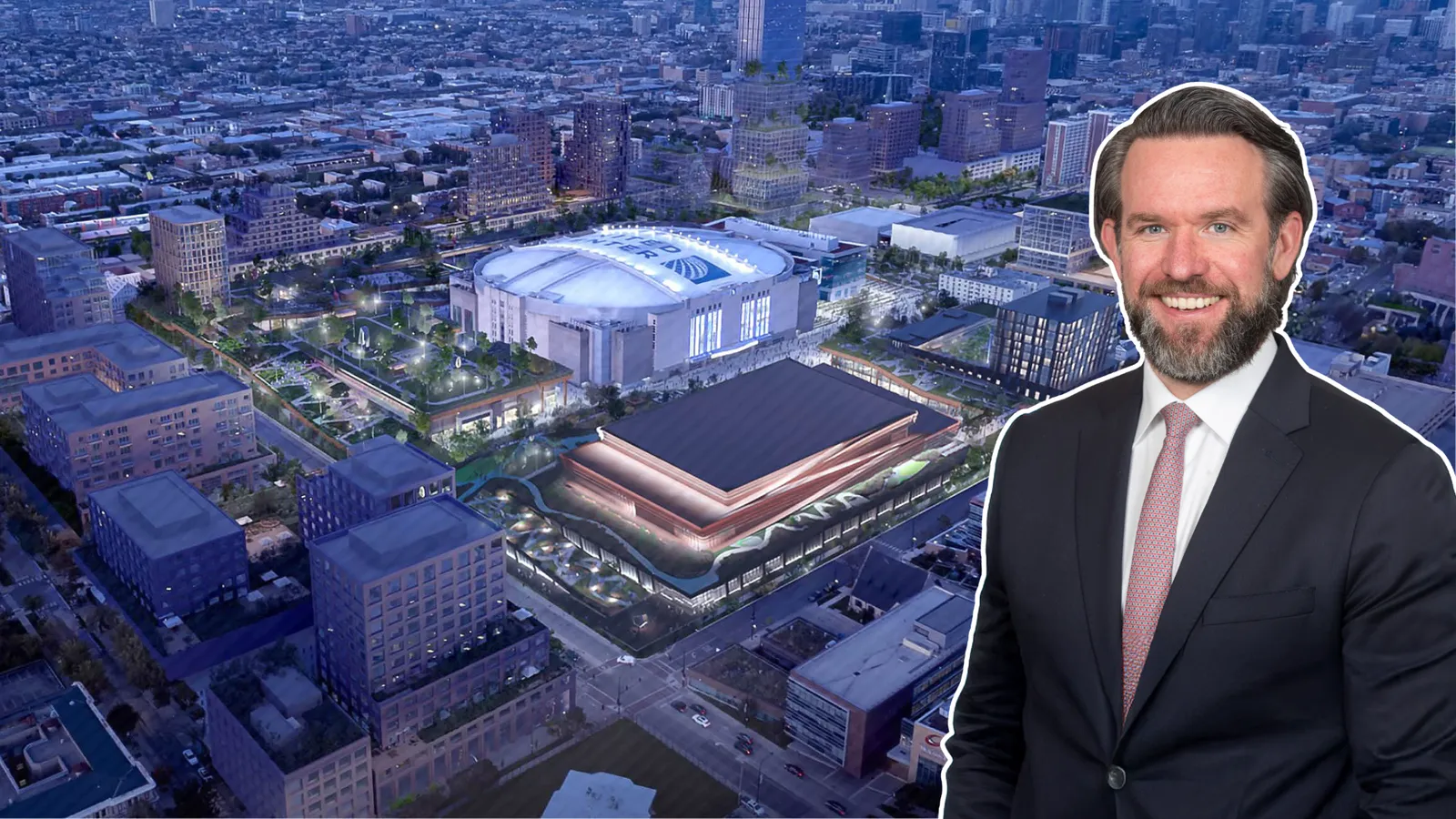
The 1901 Project, named after the arena’s address, is envisioned as a sweeping redevelopment around the United Center.
Plans call for:
• 9,500 residential units, with 20 percent affordable
• 1,300 hotel rooms
• A 6,000-seat music hall
• Retail space and a large park system
• Rooftop green space above structured parking
The project is being led by the United Center ownership group, including the Wirtz family, owners of the Chicago Blackhawks, and the Reinsdorf family, owners of the Chicago Bulls. Unlike other high-profile stadium developments in Illinois, the project is expected to be privately financed.
What the Delayed Groundbreaking Signals About Megaproject Risk
Despite the land acquisitions and bold plans, the project has yet to officially break ground. Leaders previously suggested construction could begin last summer. That timeline has slipped at least six months, with no firm start date announced. In Chicago, as in other major cities, megadevelopments face rising construction costs, capital market caution, and extended entitlement processes. Even well-capitalized ownership groups are moving carefully.
What This Means for Chicago Development
The continued land buying shows long-term conviction in the Near West Side. The area surrounding the United Center has historically been dominated by parking lots, leaving significant redevelopment upside. However, the delayed start highlights the gap between land assembly and vertical execution. For investors, the takeaway is clear. Ownership groups with deep balance sheets are still betting big on urban mixed-use districts. But in today’s market, scale alone does not guarantee speed. The 1901 Project remains one of Chicago’s most ambitious private developments. The question now is not if land is secured, but when vertical construction finally begins.