

Dec 20, 2024
UM Study Shows Where Buildings Are Sinking in MIA
A recent study from the University of Miami Rosenstiel School of Marine, Atmospheric, and Earth Science has highlighted an ongoing issue of land subsidence along the South Florida coastline.

Traded Editorial
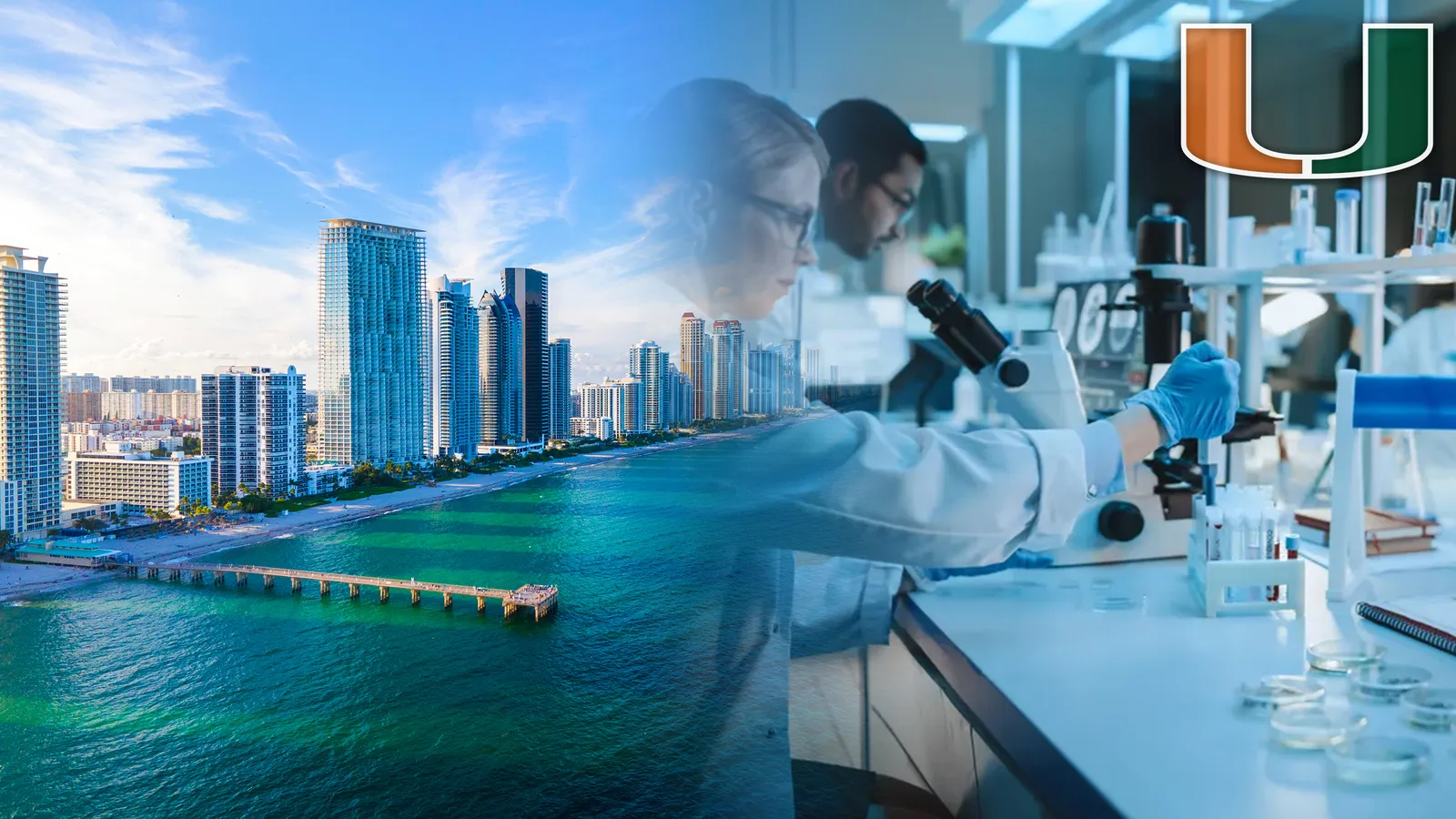
A recent study from the University of Miami Rosenstiel School of Marine, Atmospheric, and Earth Science has highlighted an ongoing issue of land subsidence along the South Florida coastline. Research revealed that 35 buildings from Miami Beach to Sunny Isles Beach are experiencing ground sinking by two to eight centimeters between 2016 and 2023. Sunny Isles Beach showed the most severe effects, with notable subsidence also observed in Surfside, Miami Beach, and Bal Harbour.
Advanced Techniques in Monitoring Subsidence
The study, published in Earth and Space Science on December 13, 2024, utilized a satellite-based technique known as Interferometric Synthetic Aperture Radar (InSAR). Combining over 200 images from European Sentinel-1 satellites, researchers created a precise surface displacement time series. Fixed structural elements like balconies and rooftop air conditioning units served as radar reflection points, allowing millimeter-scale measurements from satellites 700 kilometers above Earth.
Long-Term Settlement Patterns
While high-rises typically settle during and shortly after construction, the study revealed that subsidence can persist for years. In some cases, the rate of settlement remains steady over time, raising concerns about long-term structural stability. This persistence underscores the need for ongoing monitoring to ensure the safety of affected buildings.
The Causes of Subsidence in South Florida
South Florida’s unique geology plays a significant role in the observed subsidence (gradual caving in or sinking of land). The region's subsurface is composed of limestone interspersed with sandy layers, which shift under the weight of high-rises and vibrations during foundation construction. Additional factors such as daily tidal flows, groundwater pumping, and limestone cracking further exacerbate the sinking. Researchers stress that these mechanisms are complex and require further investigation to fully understand.
Implications for Structural Safety
The team also analyzed data related to the tragic collapse of Champlain Towers South in 2021. Interestingly, no subsidence signals were detected before the collapse, suggesting that settlement was not a contributing factor. However, nearby high-rises, such as the Eighty-Seven Park Tower, have shown significant settlement, sparking questions about differential settlement, where uneven sinking could cause structural damage over time.
Leveraging Technology for Public Safety
The study’s findings emphasize the potential of satellite-based monitoring as a tool for enhancing building safety. Researchers advocate for transparency through public databases that track subsidence rates, enabling proactive maintenance and inspections. Higher-resolution satellite data and continued research could provide even more detailed insights into the causes and risks of subsidence.
Future Research Directions
To better understand the geological and structural dynamics at play, the team aims to secure funding for additional studies. Proposed initiatives include sediment core drilling and laboratory testing to simulate the observed sinking processes. Researchers also plan to examine the impact of freshwater on limestone and assess whether heavier structures are at greater risk.
The study underscores the importance of continued research and monitoring to address the challenges posed by coastal subsidence. Researchers hope their findings will prompt officials in Florida to invest in this area, ensuring the safety and resilience of coastal communities in the face of these geological threats.