

Jul 11, 2024
UCSF to Transform Former Potrero Power Station into 285K SF Research Facility
The University of California at San Francisco (UCSF) is proposing a 284,800-square-foot research facility and outpatient treatment center on part of the former Potrero Power Station site in southeast San Francisco.

Traded Editorial
The University of California at San Francisco (UCSF) is proposing a 284,800-square-foot research facility and outpatient treatment center on part of the former Potrero Power Station site in southeast San Francisco. The San Francisco Board of Supervisors is currently reviewing the plan. This facility is set to be located on Block 2 of the Potrero Power Station Special Use District, a mixed-use redevelopment project managed by Associate Capital.
Redevelopment Plan for Potrero Power Station
The Potrero Power Station redevelopment area is bounded by 22nd Street, 23rd Street, Illinois Street, and the bay. The long-term vision for the district includes up to 2,600 housing units, 1.6 million square feet of commercial space, a 250-room hotel, and green spaces. The district was established in 2020 to transform the site, which historically generated electricity since the late 19th century and was the city's last fossil fuel power plant until its closure in 2011.
UCSF's Building Design and Ownership
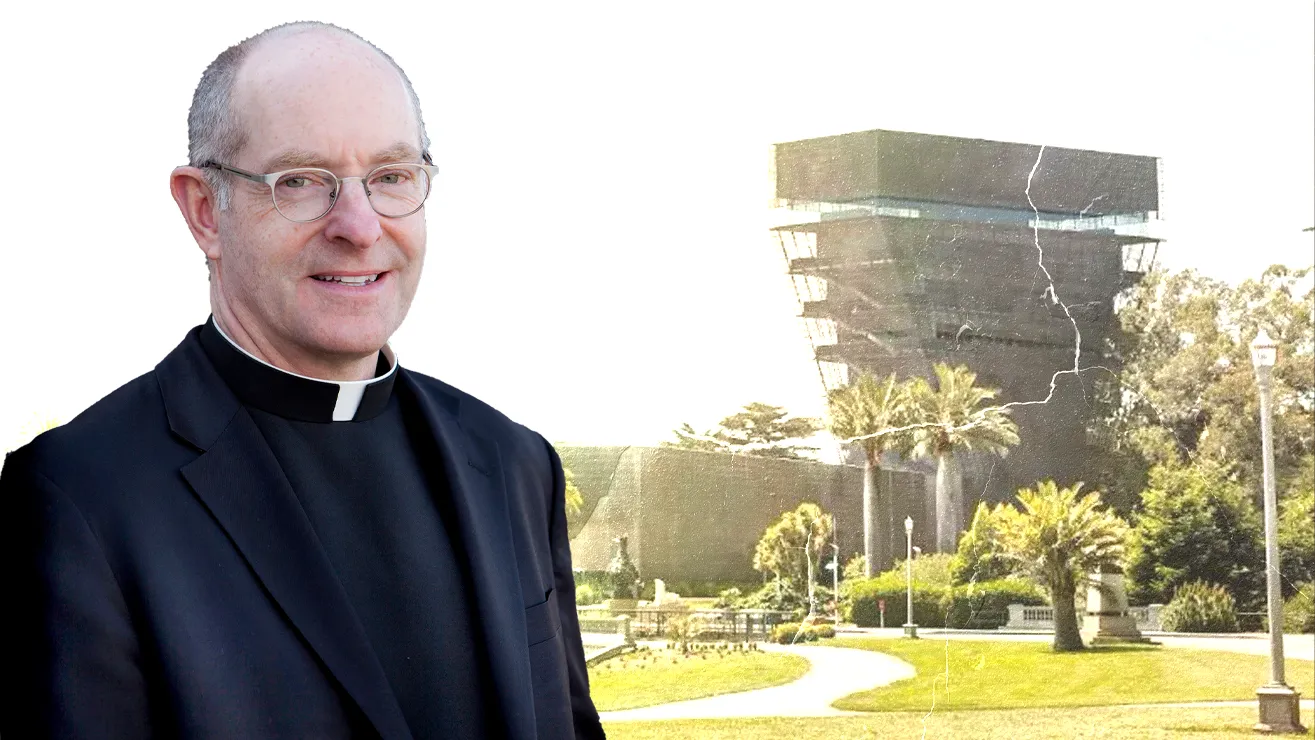
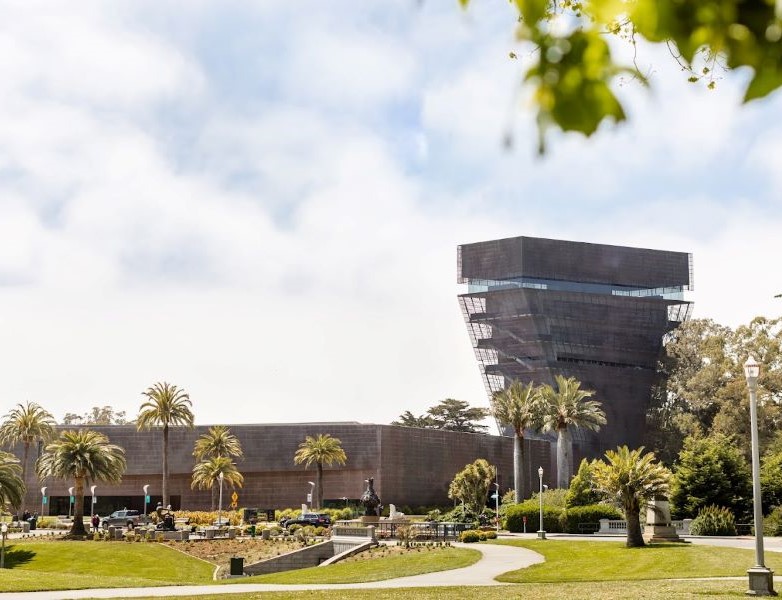
Upon approval, UCSF will own the block where the research facility is planned. The building is designed by Swiss architects Herzog & de Meuron, known for the de Young Museum. This facility will be the second building in the district, following a 105-unit residential project initiated by Associate Capital in 2023 after securing funds for infrastructure improvements.
Life Sciences Market Trends in San Francisco
The Bay Area's life sciences market, once booming, has cooled due to higher funding costs. However, it remains active with companies seeking high-quality spaces. In the first quarter of 2024, San Francisco saw a positive absorption of nearly 36,500 square feet of life sciences space, despite a regional trend of negative absorption totaling over 278,000 square feet.
Rising Vacancies and Employment Growth
Life science vacancies in the Bay Area have risen from below 10 percent pre-pandemic to over 20 percent by early 2024, suggesting a potential short-term oversupply. Despite this, life science employment in the Bay Area has significantly grown over the past two decades, with San Francisco emerging as a major industry hub. Employment in the sector grew from around 2,000 in 2002 to over 13,000 by 2022.