

Jan 28, 2026
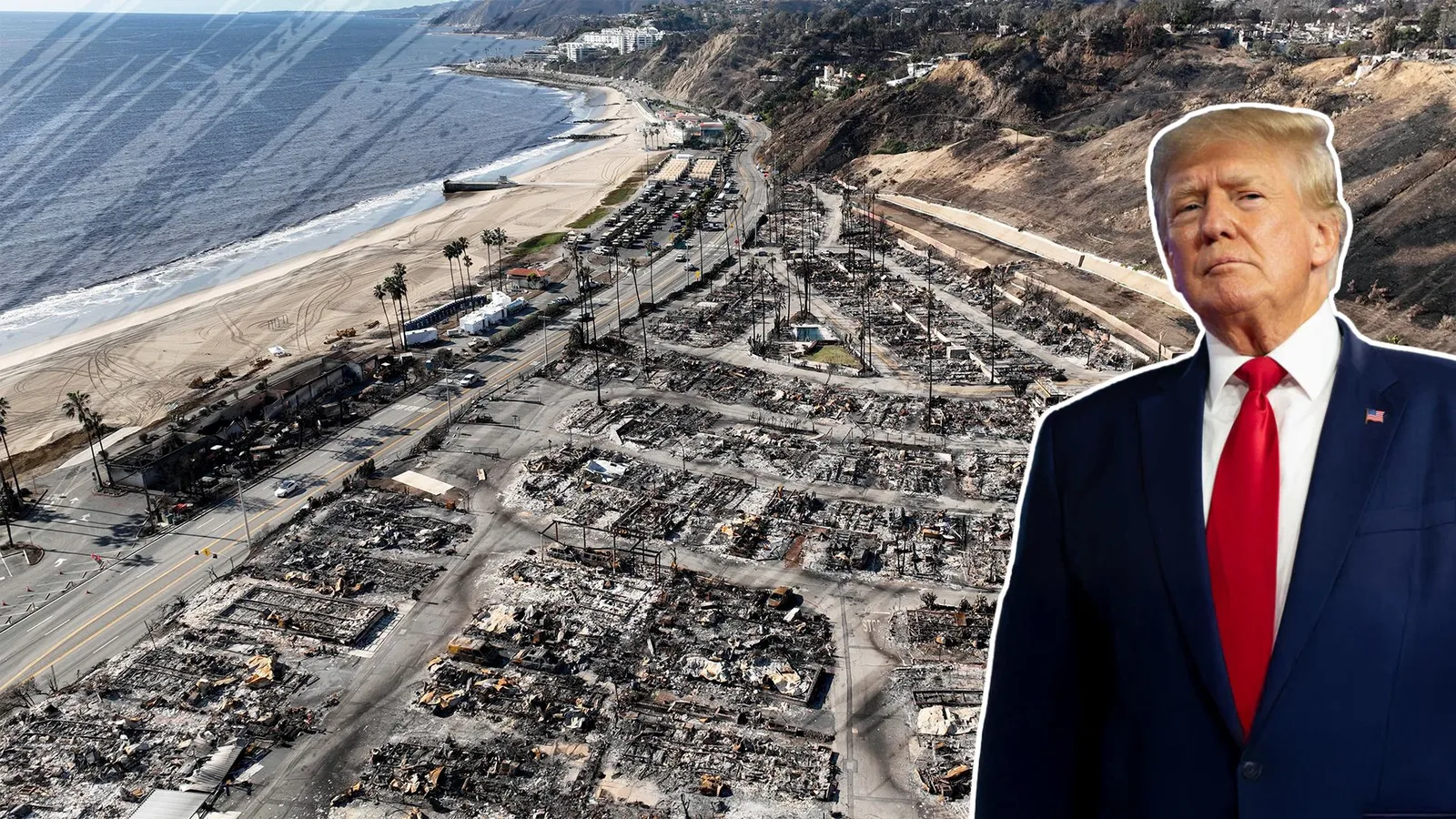
Trump Moves to Federalize LA Wildfire Rebuild Amid Ongoing Recovery Efforts
Traded Media

Traded Editorial
Key Points
- Donald Trump signed an executive order attempting to strip local and state authority over rebuilding permits after the January 2025 Los Angeles wildfires.
- About 16,000 homes and structures were destroyed in the Palisades and Eaton fires, with roughly 2,000 permits approved out of 4,700 applications so far.
- California leaders argue the real obstacle is funding and insurance, while the administration says bureaucracy is slowing housing recovery.
What the Executive Order Changes
The executive order directs the federal government to assume permitting authority for rebuilding homes and structures destroyed in the January 2025 wildfires. Traditionally, these approvals are handled by cities and counties, not Washington. Trump said the goal is simple. Get people their permits faster and get homes rebuilt sooner. For owners carrying damaged properties, insurance gaps, or vacant land, that promise has obvious appeal.
Key elements include:
- Federal involvement in issuing or overriding rebuild permits
- Reduced reliance on local land use approvals
- Expanded authority for federal disaster agencies like FEMA
Disaster recovery experts say this level of federal intervention in local land use is historically rare, if not entirely unprecedented. Permitting has long been a core function of local government, especially in California’s highly regulated housing markets.
The Scale of the Housing Loss
The Palisades and Eaton fires leveled entire neighborhoods, including Pacific Palisades and Altadena, two supply-constrained submarkets with high home values and strong long term rental demand.
According to local data:
- Roughly 16,000 homes, businesses, and structures were destroyed
- About 4,700 rebuild applications have been submitted
- Around 2,000 permits have been approved so far
While that pace is consistent with other major California wildfire recoveries, it underscores a hard reality for landlords and homeowners. Rebuilding takes years, and every delay keeps housing supply off the market.
Why Newsom and Bass Are Pushing Back
Gavin Newsom and Karen Bass quickly rebuked the order, calling it federal overreach and questioning whether it would actually speed up recovery. Their argument centers on money, not permits. California officials say the state has already streamlined approvals and that the real bottleneck is capital. Insurance shortfalls, rising construction costs, and delayed federal aid have left many owners unable to move forward even with permits in hand. The administration has also faced criticism for not acting on Newsom’s request for $33 billion in disaster aid, funding California says is essential to rebuilding at scale.
Legal Questions Add Uncertainty
Legal experts point to the 10th Amendment and longstanding precedent protecting state and local control over land use. Expanding federal power into permitting could face immediate court challenges, potentially delaying implementation or blocking it altogether. For property owners, that uncertainty matters. Financing, insurance payouts, and construction timelines all depend on clear authority. A prolonged legal fight could slow recovery rather than accelerate it.
What This Means for Landlords and Investors
From a landlord's perspective, the issue isn’t political. It’s practical. Faster rebuilding restores housing supply, stabilizes neighborhoods, and brings units back into income-producing service. However, permits alone don’t rebuild homes. Without sufficient funding, lender confidence, and insurance proceeds, many owners remain stuck. That dynamic keeps supply tight, which continues to support rent growth and asset valuesin affected Los Angeles submarkets. Long term, rebuilt homes in Pacific Palisades and Altadena are likely to re-enter the market at significantly higher valuations, reflecting both replacement costs and persistent demand.
Bottom Line
Trump’s executive order is a bold attempt to accelerate Los Angeles wildfire recovery by cutting through local bureaucracy and centralizing permitting power. Supporters see speed. Critics see legal risk and misplaced priorities. For landlords and investors, the takeaway is clear. Housing recovery depends on both streamlined approvals and real capital. Until Washington and California align on funding and authority, rebuilding will remain slow, and the Los Angeles housing supply will stay constrained.