

Apr 20, 2026
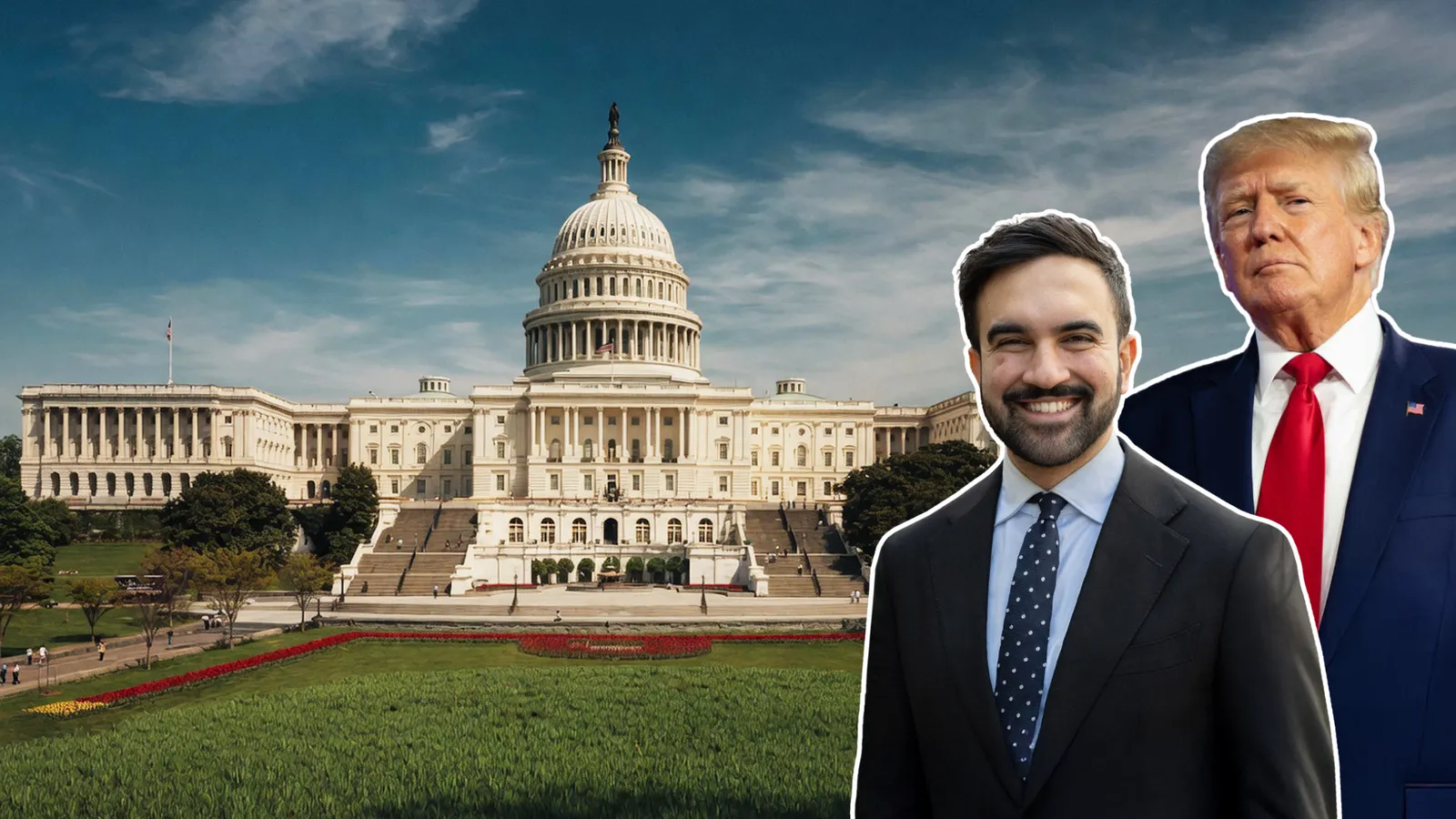
Trump blasts NYC Mayor Mamdani over tax push as policy fears grow
Traded Media

Traded Editorial
- NYC leaders are proposing higher taxes on high-income residents to support public funding priorities
- Policy discussions are focusing on balancing revenue generation with economic competitiveness
- Real estate investors are monitoring how tax changes could impact returns, demand, and investment activity
New York City’s evolving tax policy is drawing attention from both local leadership and national figures, as discussions intensify around how best to support growth and public investment. Mayor Zohran Mamdani’s proposal to increase taxes on higher-income residents has become a focal point, alongside recent commentary from former President Donald Trump. The situation highlights key issues for landlords, investors, and brokers navigating one of the most influential real estate markets in the world.
Trump Weighs In on NYC Tax Direction
Former President Donald Trump shared his perspective on the proposed changes, pointing to concerns about how higher taxes could influence economic activity in New York City. His remarks focused on the relationship between tax policy, business confidence, and investment decisions. The commentary reflects a broader national conversation about how major cities position themselves to attract and retain capital.
Mamdani’s Strategy: Revenue and Housing Focus
Mayor Zohran Mamdani’s proposal centers on increasing taxes for higher-income residents as part of a broader economic and housing plan. The approach is designed to generate additional revenue that can be allocated toward public services and housing initiatives.
Key elements include:
- Increased funding for housing programs and infrastructure
- A focus on addressing affordability challenges
- Long-term efforts to strengthen city resources
Supporters see potential for expanded development and improved public investment, particularly in a market where housing costs remain elevated.
Investor Perspective: Balancing Costs and Opportunity
For real estate investors and landlords, tax policy directly influences underwriting and long-term strategy. Adjustments to tax structures can impact profitability, tenant demand, and overall investment activity.
Key considerations include:
- Potential changes in net returns for property owners
- Shifts in high-income tenant demand and residency patterns
- Investor sentiment tied to policy stability and predictability
At the same time, increased public funding may create opportunities tied to development, especially in affordable housing and public-private partnerships.
NYC Market Outlook Amid Policy Shifts
New York City remains a global real estate hub with strong fundamentals, deep liquidity, and consistent demand drivers. However, policy changes such as tax adjustments continue to shape how investors evaluate the market.
- Capital allocation decisions may shift based on cost structures
- Development pipelines could adjust to align with new incentives
- Public investment may support long-term growth in key sectors
For landlords and brokers, understanding these dynamics is critical as policy becomes a larger factor in deal-making and portfolio strategy.