

Apr 30, 2026
Tishman Speyer Revises Santa Monica Housing Plans With New Affordable Component
Traded Media

Traded Editorial
- Tishman Speyer updates plans for two downtown Santa Monica sites
- Project includes 110 market-rate units and 35 affordable units
- Supports city goal of 8,800+ new housing units by 2029
What the updated plans include
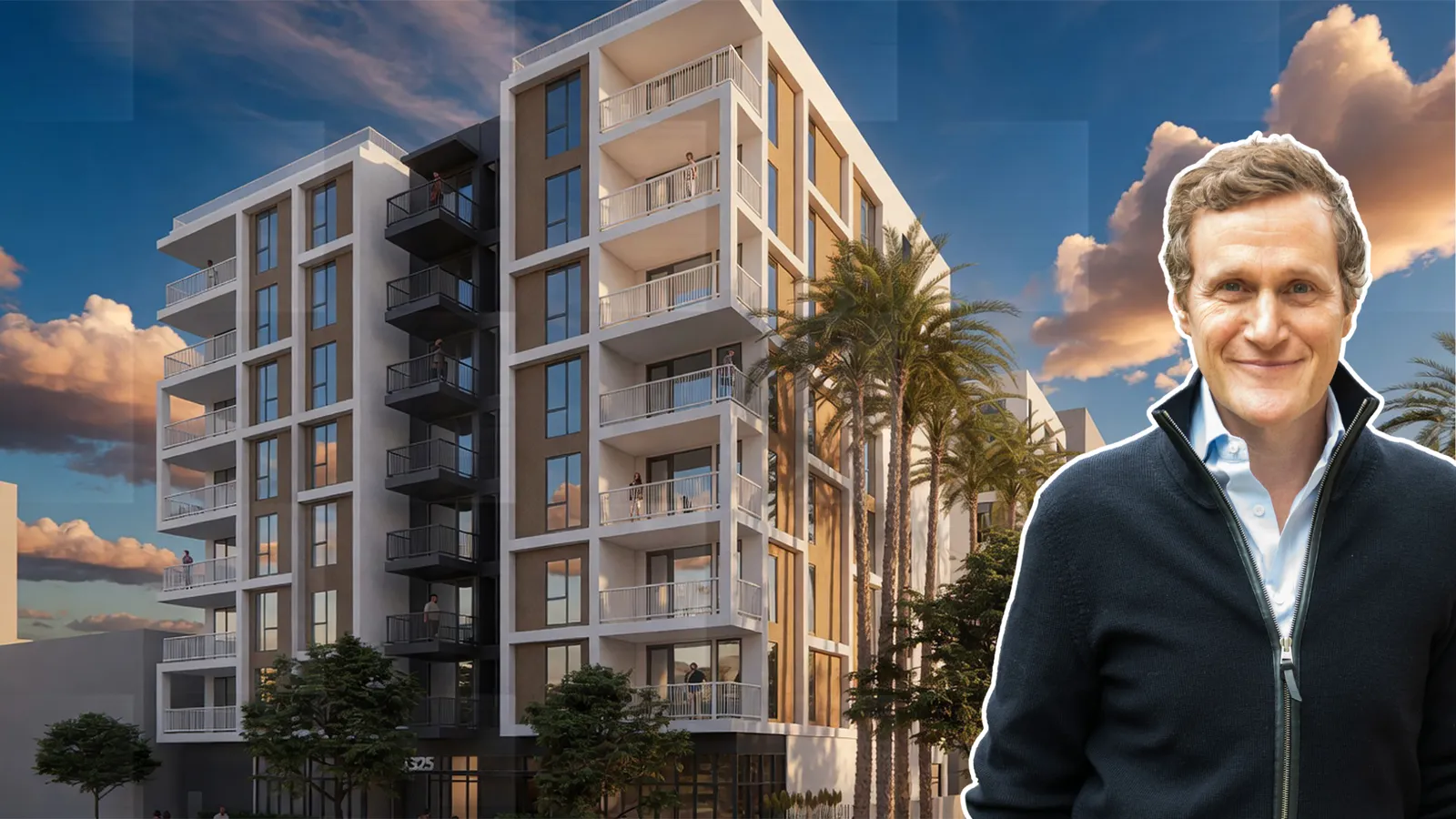
Tishman Speyer has revised its development plans for two properties at 1323 and 1338 Fifth Street in downtown Santa Monica. The updated proposal splits market-rate and affordable housing across two separate buildings. At 1338 Fifth Street, the developer plans an eight-story building with 110 market-rate units and underground parking. Across the street, a five-story building at 1323 Fifth Street will include 35 fully affordable units. This structure allows the developer to meet affordability requirements through an off-site housing strategy.
Why the off-site affordable model matters
Santa Monica recently approved rules allowing developers to build affordable housing off-site rather than including it within each project. Tishman Speyer is using this approach to optimize design and density across its portfolio. This strategy gives developers more flexibility while still meeting city mandates. For investors, it can improve project feasibility and returns. It also reflects a broader shift toward more flexible affordable housing policies.
What this means for Santa Monica housing goals
The city is working toward adding nearly 9,000 new housing units by the end of the decade, with a large portion designated as affordable. Projects like this are critical to meeting those targets, especially in high-cost coastal markets where development is challenging. By activating underutilized sites like parking lots, developers are helping increase supply in constrained areas.
What this means for development strategy
Tishman Speyer acquired these sites as part of a larger portfolio deal and is now repositioning them for residential use. This highlights a strategy of assembling land and adjusting plans based on evolving regulations. The firm’s broader pipeline in Santa Monica shows a long-term commitment to the market. For developers, flexibility in design and phasing is becoming essential.
What this means for investors and landlords
This project shows how developers are adapting to stricter housing requirements while still delivering market-rate units. Blending affordability with market-rate housing helps unlock approvals and maintain project viability. For investors, markets like Santa Monica remain attractive due to limited supply and strong demand. As cities push for more housing, projects like this will play a key role in shaping future development.