

May 21, 2026
The New Look of the Multifamily Renter: Affluent, Older, and Anchored

Traded Editorial
Key Points
- Americans’ desire to rent has grown, with a majority of renters who plan to move indicating they will remain in the rental market rather than transition to homeownership.
- The renter population now includes a growing share of older and higher-income households that have chosen renting as a long-term lifestyle preference.
- Sustained lease renewal rates and renting intentions suggest that renter retention is becoming a more predictable variable within the multifamily market
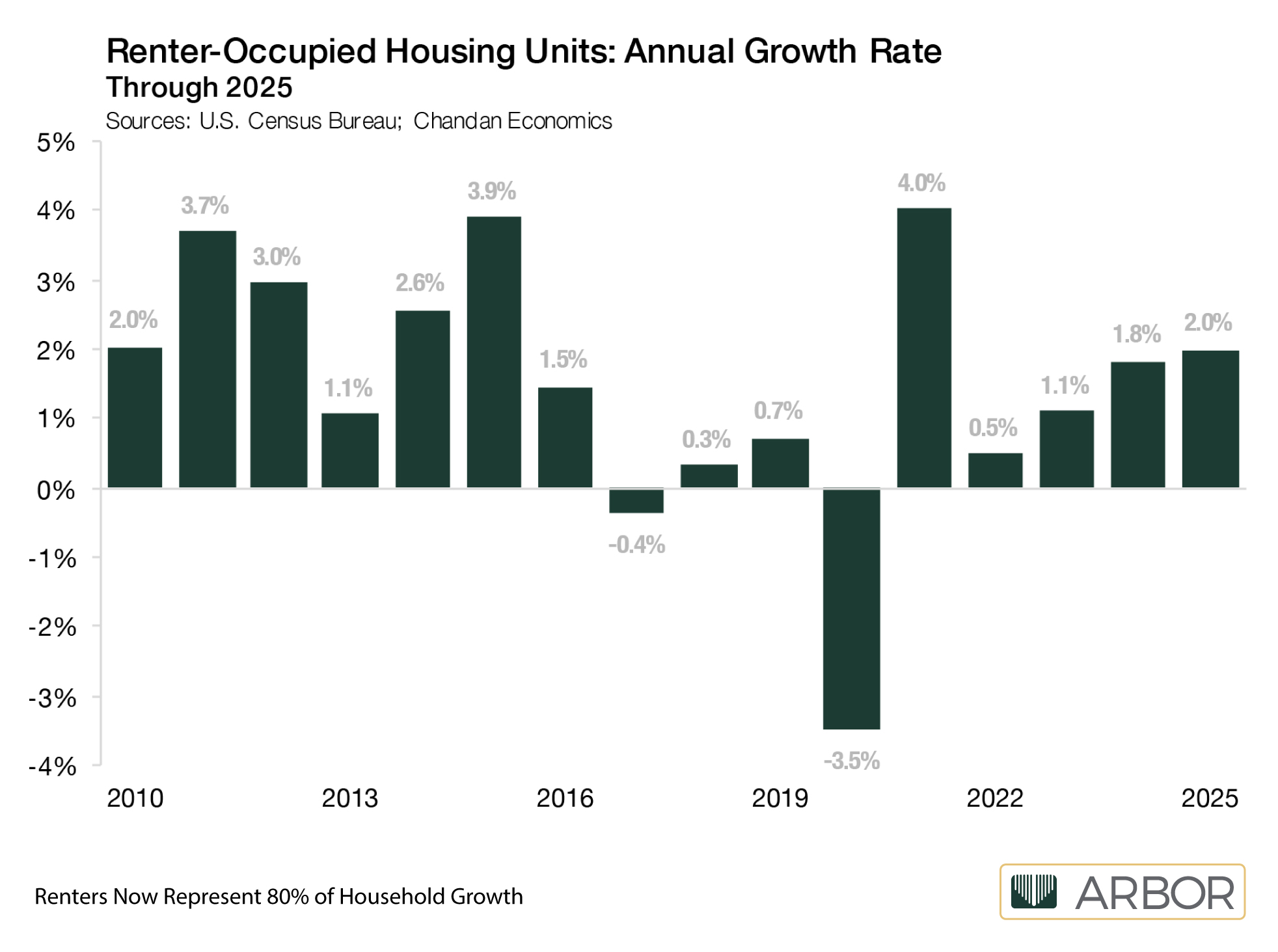
Renters today have less concern with climbing the ladder toward homeownership. Six out of 10 renters planning to move within the next year said they intend to keep renting, not transition to homeownership, according to Arbor Realty Trust and Chandan Economics research. This growing shift, however, is about more than affordability. For a growing number of households, renting now offers a combination of flexibility, convenience, and financial alignment that ownership may not.
Today's Renter Profile
A) More Affluent
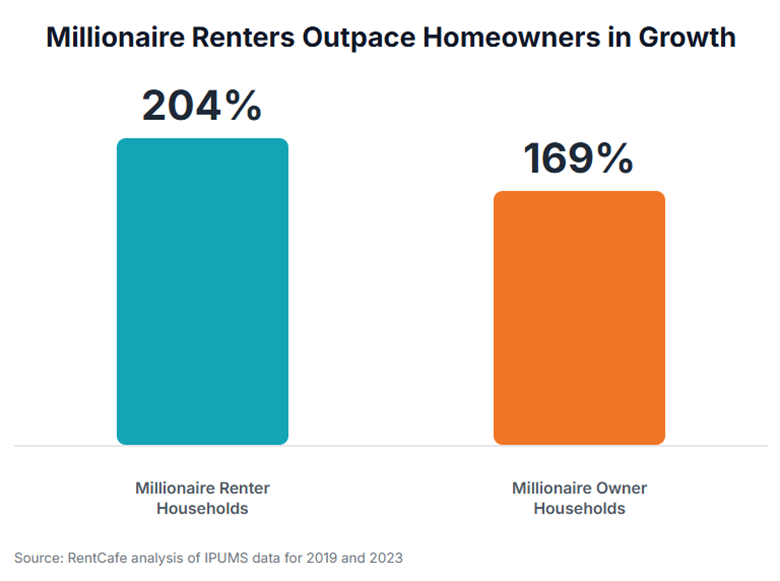
The financial profile of today’s renter has evolved significantly in recent years. According to RentCafe, the number of millionaire renters has tripled since 2019, highlighting how renting is increasingly attracting households with the financial means to purchase homes but would prefer to rent.
For some, elevated home prices and mortgage rates have reinforced the appeal of renting. For others, flexibility, convenience, and access to properties with amenities have made renting a more intentional long-term decision. The increased presence of more high-net-worth individuals in premium rentals is another signal that multifamily demand is driven by choice, not just affordability.
B) Older Renters
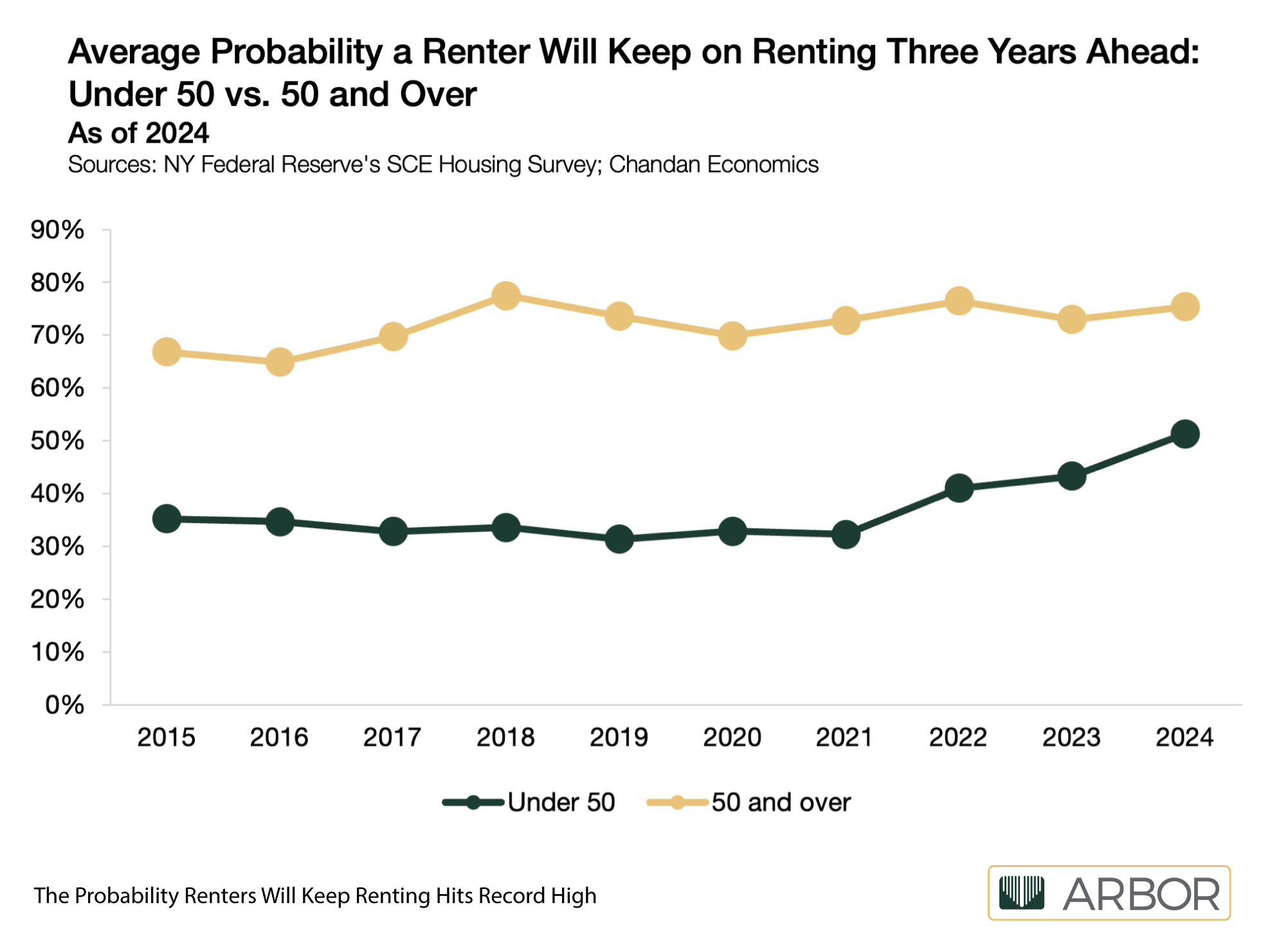
Renters over 50 now represent a larger, more stable segment of the multifamily market. Arbor research found that renters in this demographic reported a 75.4% probability of continuing to rent, nearly three times the rate of renters under 50. Unlike younger renters, older renters are often less reactive to shifts in housing market conditions and are more likely to view renting as a preferred living arrangement. This generational trend is contributing to a renter base with longer expected tenure and more predictable occupancy trends for multifamily owners.
C) Longer-Term Renters
Lease renewal activity has remained resilient even as apartment supply has increased across many markets. According to an Apartments.com survey, 47% of renters plan to renew their current leases, signaling continued stability within the renter base. While 19% of those respondents cited necessity rather than preference as the primary reason for staying, a large share of renewals reflects intentional decisions to continue living in rentals. Today’s renters are demonstrating less mobility and greater long-term commitment to renting than previous generations. For multifamily owners and operators, longer renter tenure has intrinsic benefits, supporting occupancy, improving retention rates, and reducing turnover-related costs.
What’s Driving Today’s Rental Demand
-
Housing Supply Constraints
The for-sale housing market continues to face inventory shortages, which have contributed to higher home prices and fewer options for prospective buyers. In many markets, limited supply has extended the timeline to homeownership and increased competition for available properties. As a result, more households are remaining in the rental market longer than originally anticipated, while others are reevaluating whether homeownership is still a long-term goal.
2. Elevated Mortgage Rates and Home Prices
Elevated mortgage rates and continued home price appreciation have significantly increased the cost of buying relative to renting. Today’s widening affordability gap is influencing the living decisions of households across income brackets, including many who would have typically transitioned into ownership. For a growing number of renters, the financial advantages of flexibility, lower upfront costs, and reduced maintenance responsibilities are reinforcing the decision to continue renting.
3. Improved Apartment Amenities
The multifamily sector has evolved substantially over the past decade, with newer developments offering amenity packages, design standards, and resident experiences that rival or surpass ownership alternatives. Modern apartments now cater to lifestyle expectations centered around convenience, wellness, remote work flexibility, and community-oriented living. As the benefits of renting add up, households of all types are feeling less urgency to pursue homeownership.
4. Location Flexibility
Renting continues to offer a level of mobility that homeownership often cannot match. For households navigating career changes, hybrid work arrangements, or shifting personal priorities, the ability to relocate without the complexities of selling a home remains a meaningful advantage. This flexibility is especially attractive to higher-income renters, who may prioritize optionality and geographic mobility over long-term ownership commitments.
What This Means for Multifamily
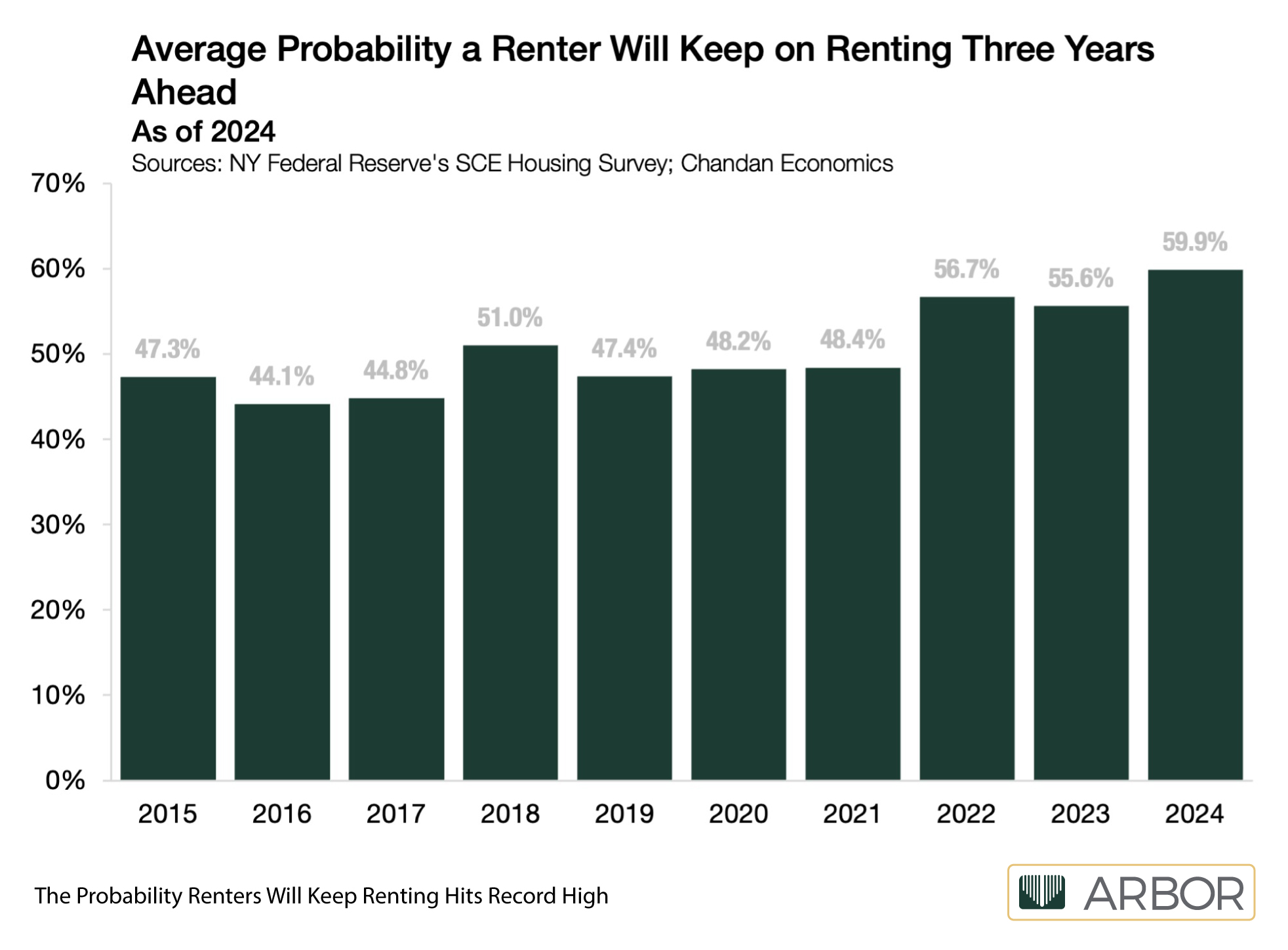
Today’s renter base is more financially diverse, more established, and more inclined to remain in rental housing than traditionally thought. According to Arbor research, the average renter believes there is roughly a three-in-five chance they will still be renting in 2027, underscoring how deeply held renter preferences and expectations have evolved.
Renters aren’t just waiting for the housing market to shift; they are reaping the benefits of rental housing. As older and higher-income households make up a growing share of the rental market, demand is becoming broader and more stable. For multifamily owners and operators, understanding these demographic shifts will become increasingly important for resident retention and long-term planning.