

Dec 10, 2024
The New Era of Office
The office real estate sector, once battered by pandemic disruptions and shifting work patterns, is entering a new era.

Traded Editorial
The office sector, once battered by pandemic disruptions and shifting work patterns, is entering a new era. From the resurgence of leasing activity in urban hubs to increased office-to-residential conversions, the landscape is rapidly evolving. Companies that embrace innovation and focus on high-quality assets are emerging as leaders in this dynamic recovery.
The Resurgence of Premium Office Spaces
As remote work gave way to hybrid models, demand for premium office spaces has grown. New York City’s SL Green Realty, the largest owner of office spaces in the city, offers a compelling case study on resilience. After enduring a surge in vacancies and a steep decline in share prices during the pandemic, the firm is now enjoying a remarkable turnaround.
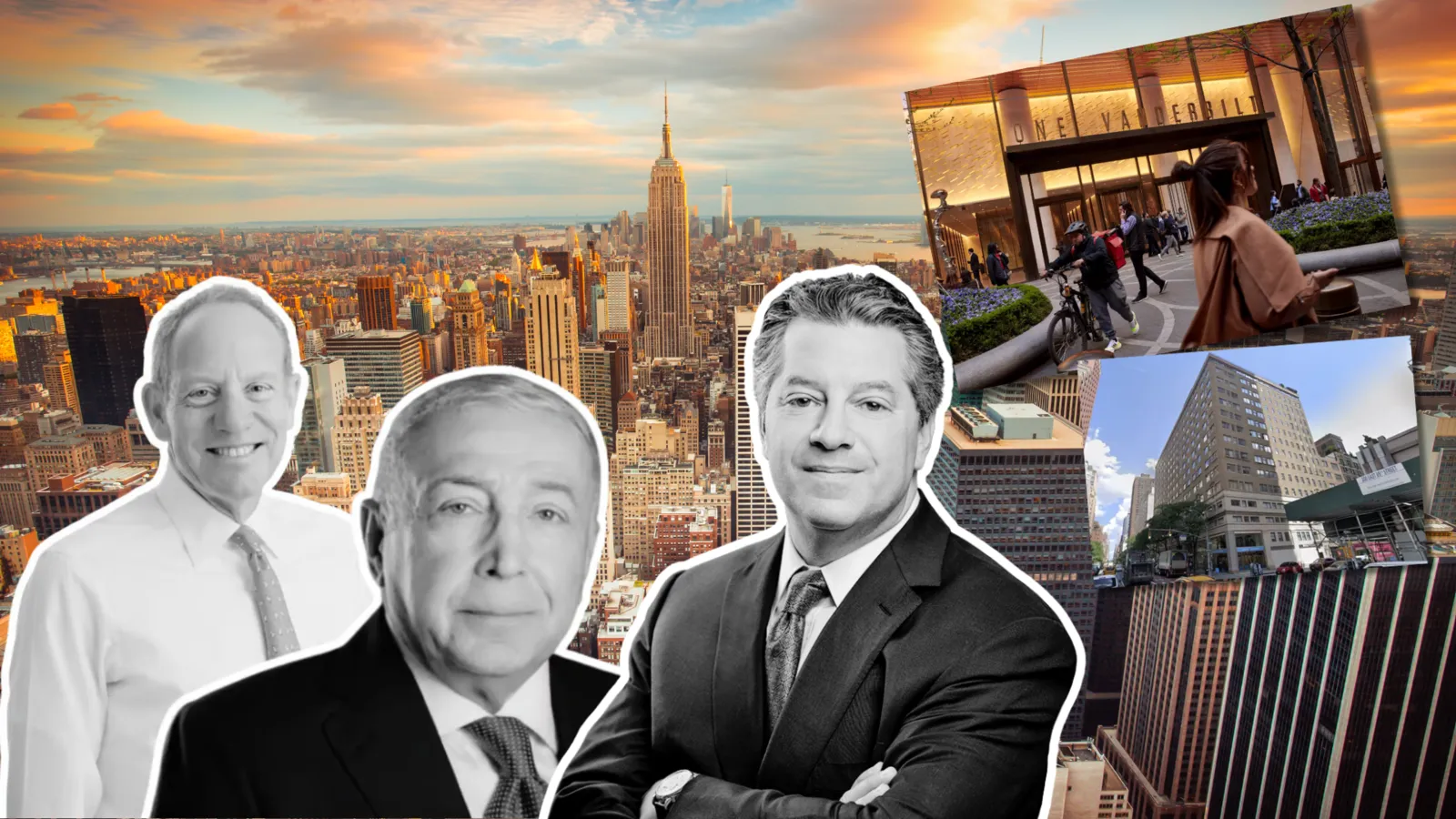
Key to SL Green’s recovery is its portfolio of high-end properties. Workers are returning to offices, particularly in sectors like finance, tech, consulting, and law, which favor prestigious locations. One standout property is One Vanderbilt, a 1,401-foot skyscraper near Grand Central Terminal. Fully leased at some of the highest rents in the country, the building boasts a rooftop observation deck and luxurious amenities. Its recent valuation of $4.7 billion underscores its status as the most valuable office tower in the United States.
SL Green’s leasing momentum is equally impressive. With 3.5 million square feet of new leases projected for 2024—1.5 million more than initially targeted—the firm is capitalizing on demand for best-in-class spaces. Its share price has surged over 65% this year, making it a top-performing real estate stock and signaling renewed investor confidence.
Challenges Loom for Commodity Office Properties
While premium office spaces thrive, the broader market paints a more sobering picture. Nationwide vacancy rates have reached a record 13.9%, far exceeding pre-pandemic levels. Hybrid work arrangements and corporate downsizing are expected to keep vacancies high through 2026, creating a challenging environment for many landlords.
Particularly hard-hit are commodity office buildings—those lacking modern amenities, outdoor spaces, and efficient layouts. These properties struggle to attract tenants, draining cash flow and leaving owners vulnerable to creditor pressures. In stark contrast, firms like SL Green, with strong balance sheets and attractive properties, are well-positioned to weather the storm.
SL Green’s redevelopment projects, such as an iconic tower overlooking Madison Square Park, highlight its ability to adapt. By incorporating features like a Chelsea Piers Fitness center, a rooftop garden, and a Michelin-starred restaurant, the company attracts blue-chip tenants such as IBM and Franklin Templeton, securing its competitive edge.
The Rise of Adaptive Reuse: Office-to-Residential Conversions
Amid the challenges facing the office sector, a transformative trend is gaining traction: office-to-residential conversions. This innovative approach repurposes underperforming office buildings into much-needed urban housing, addressing dual market needs.
Leading this charge is Alta Residential, a $1 billion joint venture by Dune Real Estate Partners and TF Cornerstone. Focused on converting office properties in transit-oriented neighborhoods, Alta is targeting cities like New York, Boston, San Francisco, and Atlanta.
TF Cornerstone brings extensive expertise to the venture, having completed over 5 million square feet of commercial-to-residential conversions. Notable projects include Manhattan’s 95 Horatio St., once a refrigeration facility, now home to 318 apartments, and The Fairfax, a former FBI headquarters transformed into 313 residences.
Alta Residential aims to scale quickly, leveraging Dune’s fundraising prowess and TF Cornerstone’s development capabilities. With significant investor interest, the venture is poised to reshape urban real estate by creating high-quality residential spaces in prime locations.
Innovation Fuels the Future
The resurgence of premium office spaces and the rise of adaptive reuse signal a dynamic future for urban real estate. While challenges persist—particularly for outdated office properties—market leaders like SL Green and ventures like Alta Residential are forging ahead with innovative strategies that bolster more dynamic office spaces while office-to-residential conversions offer a promising path for underutilized spaces. By reimagining their purpose, developers are creating vibrant communities that align with evolving urban needs.
A New Chapter for Urban Real Estate
The office market’s recovery is not merely about returning to pre-pandemic norms. Instead, it represents a broader transformation driven by quality, innovation, and adaptability. As companies and investors embrace this change, they are redefining what office and residential spaces can be, creating opportunities in the face of adversity.