

Jul 15, 2026
Suffolk Construction Brings AI Engineers to $1.1 Billion Airport Project
Suffolk Construction has embedded an AI engineer with the team building the $1.1 billion expansion of Southwest Florida International Airport, expected to be completed in December 2027.

Traded Editorial
- Suffolk Construction has embedded an AI engineer with the team building Southwest Florida International Airport’s $1.1 billion expansion in Fort Myers.
- The airport project will add a new 14-gate Concourse E, a centralized 16-lane TSA security checkpoint and upgrades to ticketing, baggage handling and concessions.
- Suffolk’s Jobsite of the Future program uses artificial intelligence to improve design coordination, scheduling, procurement, documentation and daily construction processes.
- The company says AI is intended to support construction professionals by reducing repetitive administrative work rather than replacing employees.
- The Southwest Florida airport expansion is expected to be completed in December 2027.
What Suffolk Is Bringing to the Fort Myers Jobsite
Suffolk Construction is taking artificial intelligence out of the office and placing it directly on active construction sites through its Jobsite of the Future operating model. At Southwest Florida International Airport in Fort Myers, the company has embedded an AI engineer with the construction team working on the airport’s $1.1 billion expansion. The engineer works alongside project managers, builders and safety professionals to identify inefficient processes and develop AI-powered tools using real-time project data. The Fort Myers airport expansion is among the first projects selected for the program, which Suffolk launched in January 2026 following roughly a decade of investment in data, technology and construction innovation.
“As costs continue to rise, labor shortages persist and productivity declines, the construction industry has reached an inflection point,” Suffolk Chairman and CEO John Fish said.
Fish described the Jobsite of the Future initiative as the company’s “boldest investment yet” and said Suffolk believes artificial intelligence and data can change how construction projects are delivered.
What the Airport Expansion Includes
Suffolk has spent the past year working on a new 14-gate concourse at Southwest Florida International Airport. The project will deliver the new Concourse E and a centralized TSA security checkpoint with 16 screening lanes. Plans also include upgrades to the airport’s ticketing areas, baggage-handling systems and concessions. Construction is expected to be completed in December 2027.
What the AI Engineer Does on the Project
AI engineer and Site AI Manager Cory Greenfield is working directly with the Fort Myers construction team. Greenfield collaborates with project managers to identify time-consuming tasks and determine where artificial intelligence can improve efficiency. His background includes experience in data science and software engineering with Raytheon, NASA and the U.S. Army Corps of Engineers. By placing an AI specialist on-site, Suffolk can develop tools around the construction team’s daily needs rather than treating artificial intelligence as separate software managed away from project operations.
“Project managers and myself have sat down and looked at different ways we can speed up processes with AI,” Greenfield said. The goal is to complete more early-stage work with technology so project professionals can focus their time and expertise on other areas.
What AI Can Improve During Construction
Suffolk is concentrating its AI efforts on three primary areas: design coordination, project scheduling and construction processes. Voice-enabled scheduling technology can reduce work that previously took several days to a matter of hours. AI-assisted design reviews can identify drawing conflicts and coordination gaps before construction begins, helping teams limit delays and costly rework. AI-supported procurement and delivery systems can provide greater visibility into supply chain risks and material lead times. Computer vision and jobsite intelligence tools can also reduce the time employees spend documenting and reviewing construction conditions. The company is using AI-generated operational playbooks to improve access to project information and encourage consistent procedures across construction teams. Administrative work such as schedule updates, requisition reviews, submittal coordination and shop drawing reviews can also be completed more quickly using historical information from Suffolk’s previous projects.
What Suffolk Says About AI and Construction Jobs
Suffolk says the Jobsite of the Future program is intended to support construction professionals rather than replace them.
“We are not building AI to replace people,” said Doug Harrison, Suffolk’s vice president of corporate operations.
According to Harrison, rapid growth in the construction industry has placed additional responsibilities on project teams. Automating repetitive work can allow experienced employees to spend more time managing risk, solving construction challenges and working with clients and trade partners. The company views AI as a way to increase the capabilities of its workforce while reducing time spent on administrative tasks involving paperwork, documentation and data entry.
What Suffolk Has Invested in Construction Technology
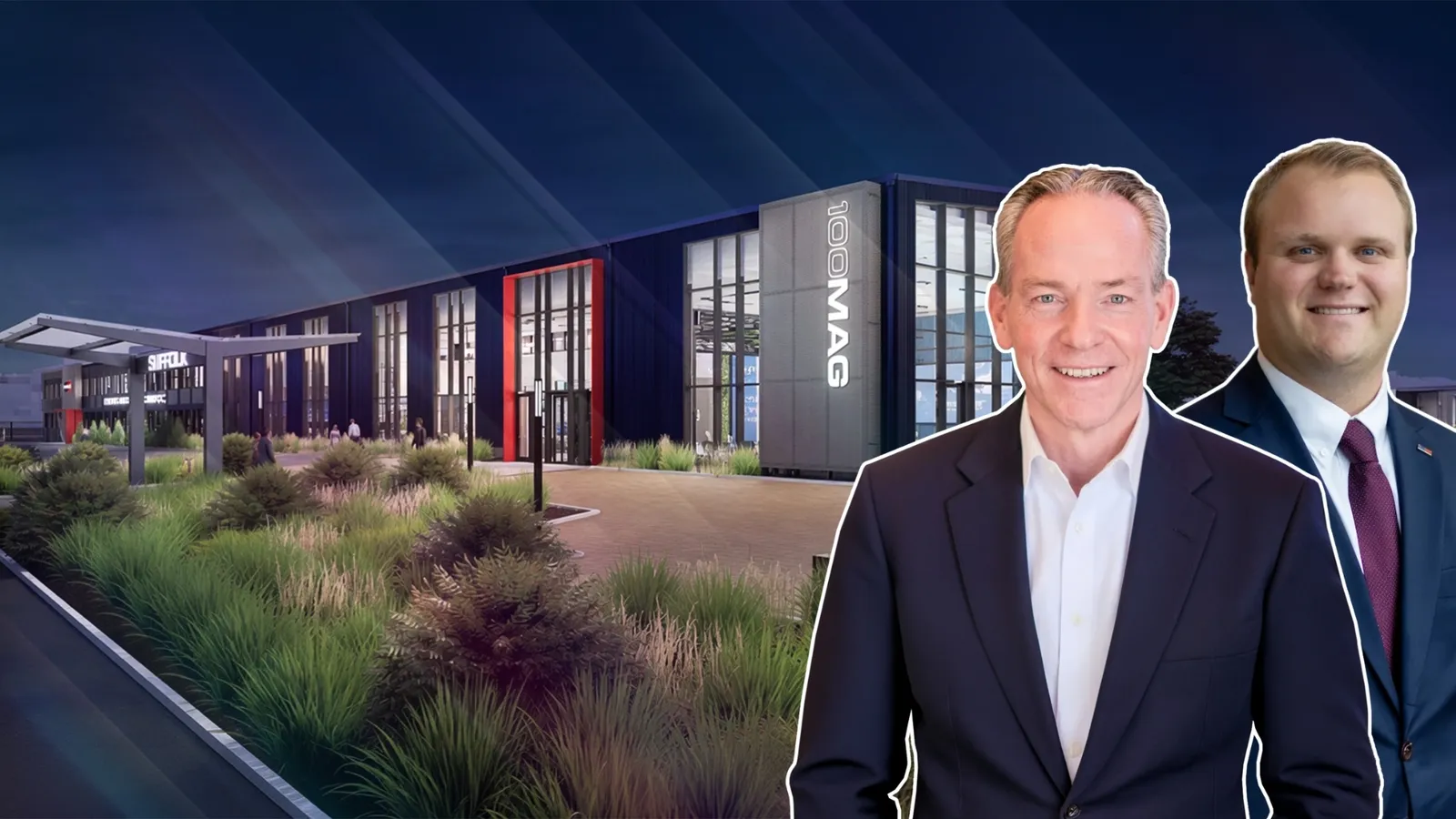
Suffolk began investing in construction technology approximately 10 years ago as the industry faced rising costs, persistent labor shortages and declining productivity. The Boston-based contractor has invested more than $100 million in data, technology infrastructure and innovation capabilities. Those investments helped establish the foundation for the company’s current AI-powered construction ecosystem. Suffolk also invested approximately $40 million in a facility at its Boston headquarters known as 100 Mag. The building houses an AI studio team responsible for developing new construction tools and expanding the Jobsite of the Future program nationwide.
What Other Projects Are Using the Program
In addition to the Southwest Florida airport expansion, Suffolk has assigned AI engineers to construction projects in Cedar Rapids, Iowa; Las Vegas; New Haven, Connecticut; and San Luis Obispo, California. The company plans to expand its team of AI engineers and introduce the operating model across additional construction projects nationwide.
“I don’t know of any other companies that are hiring engineers and sending them out to jobsites right now,” Harrison said.
By placing software and data specialists directly alongside construction teams, Suffolk aims to identify project challenges earlier and develop tools that can be tested and improved under real jobsite conditions.
What the Program Could Mean for Construction
Suffolk says its technology investments are already improving scheduling, safety performance and project cost management. According to the company, schedule performance has improved to more than 80%, while cost overruns and financial risks have declined for Suffolk and its clients. The company also reported that certain safety performance metrics have been reduced by half since implementing the program. Suffolk, which generated $7.36 billion in revenue in 2024 and employs approximately 3,200 people, is targeting continued growth as it expands its use of artificial intelligence. As construction costs increase and skilled labor remains limited, the company is positioning AI as a tool that can improve productivity while allowing construction professionals to focus on higher-value work.