

Aug 2, 2025
The HueHub, South Florida’s Largest Live Local Act Mega‑Project, Wins Final Approval


Traded Editorial
Key Points
-
4,032 units approved in West Little River — South Florida’s largest Live Local Act project to date
-
Seven 35‑story towers on nearly 12 acres at 8395 NW 27th Ave, Miami‑Dade County
-
Modular construction & tax benefits aim to enable amenity-rich, furnished workforce housing under 120% AMI
Spanish developer Pablo Castro, in partnership with South Florida veteran Laura Tauber, has secured final site plan approval for The HueHub, a 4,032-unit Live Local Act project in West Little River, valued at $880 million. This decision cements the development as the largest Live Local Act project in South Florida, offering furnished workforce and workforce-adjacent housing with robust amenities.
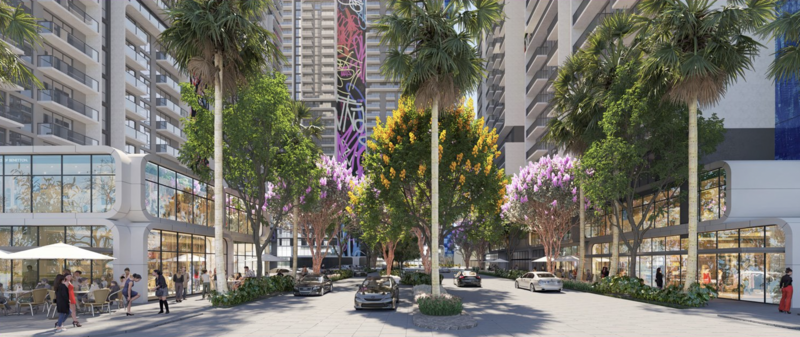
Project Overview: HueHub’s Scale & Design
-
Located on a nearly 12-acre site near future North Corridor Metrorail transit, at 8395 NW 27th Ave.
-
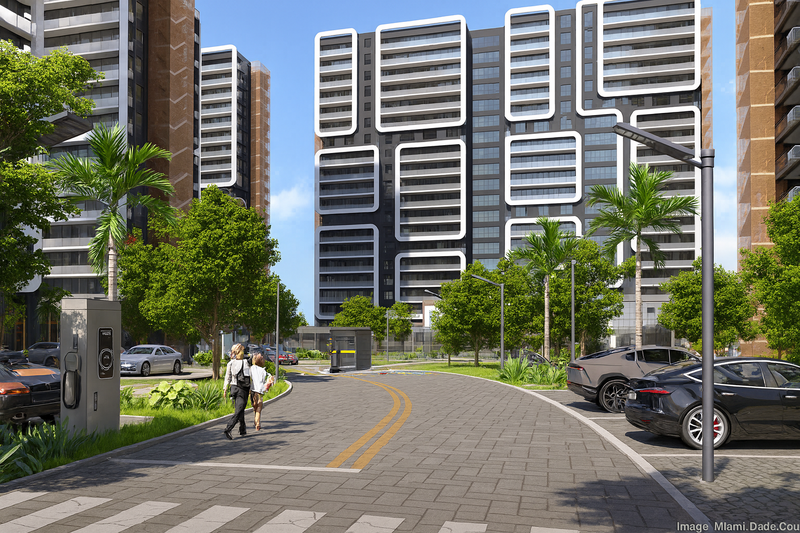
Originally proposed at 3,233 units in six towers, plan expanded to 3,971, then finalized at 4,032 units across seven 35‑story towers.
-
Entirely designed by Arquitectonica, the complex will offer fully furnished apartments for households earning up to 120% AMI, exceeding the Live Local Act’s 40% threshold.
Pricing & Amenities: Lifestyle at Workforce Rents
-
Miami‑Dade’s current AMI is $87,200 (likely rising by anticipated completion in Q2 2028).
-
Rent breakdown:
-
Studios: ~$1,300/month
-
One‑bedrooms: ~$1,600/month
-
Two‑bedrooms: ~$1,900/month
-
-
200,000 sq ft of amenities include retail/dining, learning center, show kitchen, community library, gardens, and a 2-acre park. On‑site services like cleaning, child care, and dog walking elevate quality of living.
Construction Strategy & Financial Model
-
To deliver high-quality amenities at below-market rents, Castro plans modular methods:
-
Tunnel form construction for walls/slabs
-
Pre‑fab interiors for bathrooms and kitchens
-
Scale efficiency is essential — he noted this philosophy wouldn’t work at 500 units.
-
-
Live Local Act incentives include:
-
Admin approval that overrides zoning (allowing height and density above base)
-
Property tax exemptions for fully below-market units.
-
Developer Profiles: Castro & Tauber Unveiled
-
Pablo Castro (also known as Pau Castro Sáez) is a high-volume developer from Barcelona, once leading Grupo Corp and partnering with Spain’s Grifols family on multi-hundred-million-euro developments.
-
Laura Tauber, co‑founder of Taubco in Bay Harbor Islands, brings decades of South Florida CRE experience, including projects in North Miami Beach and commercial developments such as Keystone Plaza and Biscayne Commons.
Market Context: Live Local Act Momentum
-
HueHub marks the largest Live Local Act project approved in Miami‑Dade and likely the broader tri‑county region. The precedent was a 3,233‑unit, six‑tower proposal filed in 2024.
-
Other area developments leveraging Live Local include the Pérez family’s Related Group expansion in Little Havana, Bazbaz Development’s 48‑story Wynwood tower, and RCC Developers’ Goulds proposal.
-
Despite Live Local’s promise, industry insiders warn that rising costs, interest rates, and insurance burdens are making execution difficult, particularly for smaller developers.
Why Investors, Landlords & Brokers Care
-
Massive scale = volume-driven feasibility: High-density modular build allows extensive amenities at lower rents, pushing new workforce housing into sustainable territory.
-
Transit-adjacent density places HueHub among highest-leverage sites in pipeline for institutional capital.
-
Novel developer pairing: A European modular specialist teaming with seasoned local operator could create a repeatable model across Florida markets.
-
Tax-exempt status combined with administrative speed shows Live Local may finally offer predictable yields for affordable housing investors.

The HueHub emerges as a market-shaping project — combining scale, innovation, and regulatory advantage to redefine workforce housing in Miami-Dade. By fusing modular efficiency with amenity-rich design and favorable Live Local incentives, Castro and Tauber may prove the model viable. For landlords and brokers, HueHub represents both immediate inventory opportunity and a potential blueprint for future Live Local developments in the region.