

Feb 20, 2025
South Florida’s Office Market: Navigating Recovery Amidst Economic Resilience, According to Avison Young

Traded Editorial
Key Points
- Projected Recovery Timeline: Avison Young CEO Mark Rose predicts full office market recovery by 2026, with significant traction by 2025.
- Leasing Trends: Avison Young Principal and U.S. President Harry Klaff notes that Q4 2024's leasing rate was 24%, and that demand for Class A office properties remains strong.
- Market Resilience: South Florida continues to outperform national trends, supported by migration and industry diversification.
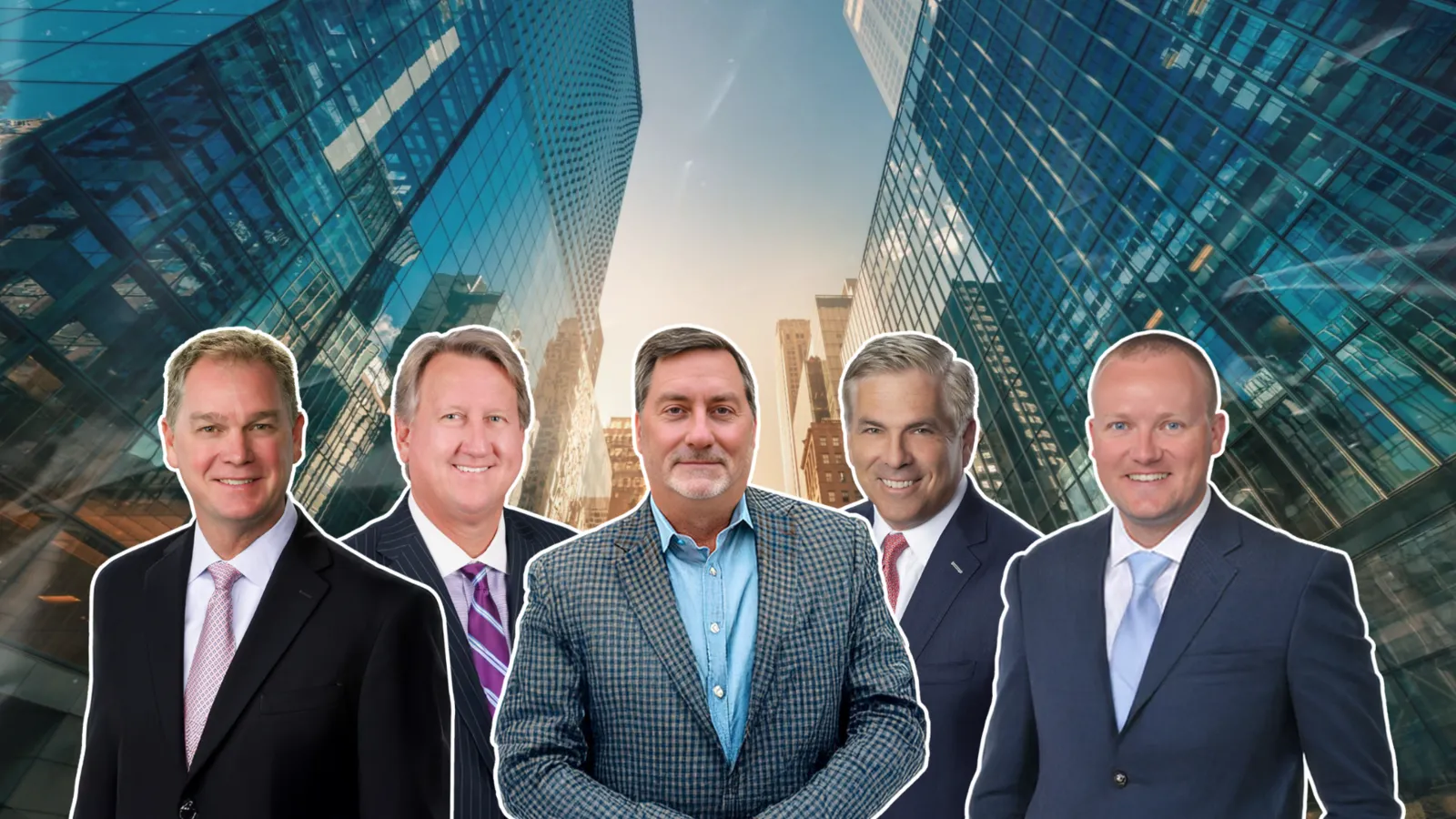
At a recent Avison Young South Florida roundtable, executives shared their outlook on the region’s commercial real estate (CRE) market. The panel included Avison Young CEO Mark Rose, Principal and U.S. President Harry Klaff, Principal and Managing Director Greg Martin, Principal and Miami Managing Director Michael Fay and Florida Market Intelligence Lead Jason Steele.
The consensus? South Florida is on a path to recovery, but the market is shifting. With a mix of leasing slowdowns, investment shifts, and continued migration, the panelists discussed where the region is headed and what investors should watch.
Recovery Projections and Economic Resilience
Rose compared the current market cycle to the post-9/11 recovery, predicting it will take about five years for a full rebound. He expects 2025 to be a turning point, when liquidity and deal flow return, leading to a recovery in 2026 or 2027.
Klaff highlighted that the economy remains resilient, despite uncertainty. “We’re still seeing steady leasing,” he said, noting that at the end of Q4 2024, the leasing rate was 23.4%, with only 3.4% of that being subleases. He pointed to Manhattan and San Francisco as examples of markets absorbing office space again, with the tech sector being the slowest to return.
South Florida’s Unique Position
Martin reflected on South Florida’s recent CRE success, saying, “2022 and 2023 were extraordinary years for the region’s office market—an outlier compared to the rest of the country.” However, he acknowledged a slowdown in 2024, with continued challenges in construction, affordability, and transportation.
Fay remained optimistic about the region’s fundamentals, stating, “There’s still a lot of creative capital moving through the market. South Florida has always been an ‘island market’—it operates differently from the rest of the U.S.” He believes that interest rate fluctuations are cyclical, and the market is entering a new positive cycle.
Investment Landscape and Emerging Trends
Martin pointed out that new players are entering the South Florida investment market, further diversifying the buyer pool.
Fay added, “We’re seeing different groups of buyers, including an influx of international equity.”
Steele discussed the increasing repurposing of suburban office spaces into warehouses due to land constraints in Florida, particularly in core urban areas.
Focus on Sustainability and Community
Rose shared insights from Davos conversations, stating that CRE must focus on resiliency, affordability, sustainability, and community impact. “A decade from now, no property will sell unless it meets sustainability standards,” he said, emphasizing the growing role of environmental regulations and insurance considerations.
South Florida’s Competitive Edge
Klaff believes that South Florida continues to outperform other U.S. markets, supported by its deep-rooted presence in finance, banking, legal, tech, and aerospace. “The region has exceeded national performance trends, and migration has only improved its resiliency,” he said.
Martin weighed in on Miami’s trajectory, saying, “The city is still on the rise. Major firms like Citadel and Goldman Sachs are evaluating or expanding their presence, and talent wants to be here.” He added that submarkets like Wynwood are growing thanks to their cultural and lifestyle appeal.
Market Dynamics and Future Outlook
Steele shared data from the firm’s Office Busyness Index, which tracks foot traffic in 44 U.S. office markets, revealing that West Palm Beach has recovered 88% from 2019 levels, Miami 75%, and Fort Lauderdale 60%. He also noted that the South Florida market as a whole sees a 7-10% annual increase in return-to-office activity, compared to just 6% in the broader U.S.
Rose cautioned against overreliance on office swipe data, stating, “Just because someone swipes into a building doesn’t mean they’re actually staying to work the whole day.”
Martin remains bullish on rental rates, explaining, “Rates in Brickell and West Palm Beach will continue to rise in the highest quality office properties. Class B and C spaces will need retrofitting to remain competitive.”
Fay predicted a potential pause in interest rate hikes, but overall, he said, “It’s nothing to be alarmed about. South Florida is still attracting global investors.”
Klaff believes office space pricing should eventually stabilize in a healthy mid-teens rental rate range, similar to how the industrial market corrected after its 100% rent surge in 2022-2023.
South Florida Remains Ahead of National Trends
South Florida’s commercial real estate market is navigating a complex recovery, but economic resilience, sustained migration, and strategic investments are keeping it ahead of national trends. While 2024 has shown signs of slowing, industry leaders remain cautiously optimistic about a strong comeback in 2025 and beyond.
📊 Leasing activity updates, office investment trends, and sustainability regulations will be key factors to watch in the coming years.