

Mar 17, 2026
Slate Property Group Advances 150K SF Medical Office Project in East Harlem

Traded Media

Traded Editorial
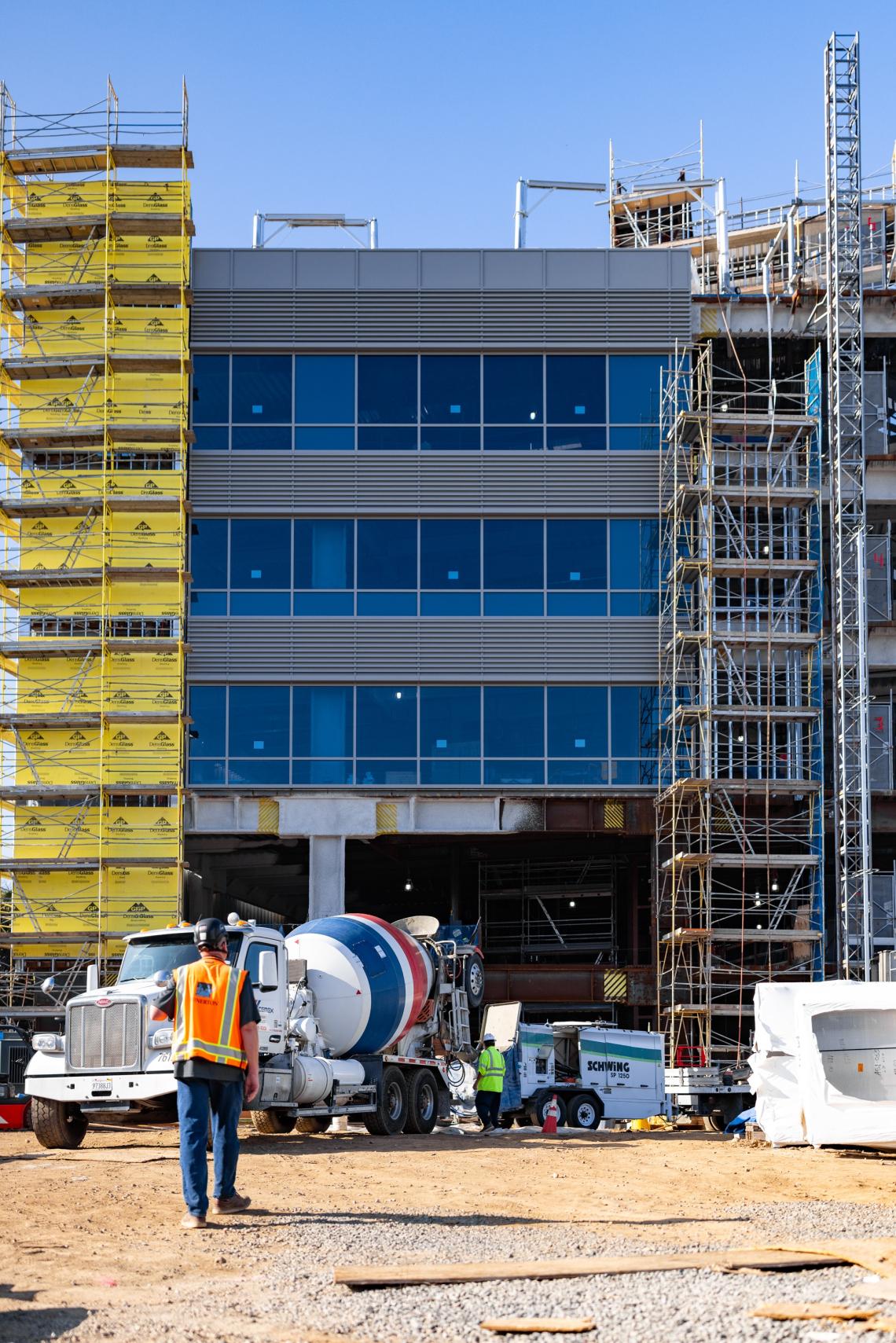
- 13-story medical office and community facility rising
- 150,000 SF anchored by Mount Sinai Health System
- $159M capital stack backing the development
What This Project Means for Healthcare Real Estate Growth
What the Tenant Mix Means for Income Stability
The project blends healthcare, community services, and institutional use within one property. In addition to Mount Sinai, Children’s Aid will occupy nearly 19,000 square feet across the lower levels, while Life Changers Church will return to the site. This mix creates a stable occupancy profile supported by mission-driven tenants. These users typically sign longer leases and are less sensitive to economic cycles, making the asset more defensive compared to traditional office or retail properties.
What the Design Strategy Means for Functionality
The building features a five-story podium with a setback leading to the upper floors, combining gray brick and paneling for a modern institutional look. The design prioritizes efficient layouts suited for medical tenants rather than luxury finishes. This approach reflects a focus on usability and long-term tenant needs. For investors, that typically translates into stronger retention and lower ongoing capital expenditure requirements.
What the Financing Says About Market Confidence
The development is backed by $119 million in construction financing from JPMorgan, along with a $40 million preferred equity investment from GoldenTree Asset Management. This level of institutional capital highlights continued confidence in healthcare real estate. Even as other sectors face volatility, lenders and investors are still allocating toward assets tied to essential services.
What the Location Means for Long-Term Demand
Located at Lexington Avenue and East 101st Street, the project sits in a dense part of East Harlem with strong demand for healthcare access. The nearby 6 train at 103rd Street provides convenient transit connectivity for patients and staff. This type of location supports consistent foot traffic and long-term viability. Areas with limited healthcare infrastructure tend to sustain strong occupancy for medical tenants over time.
What the Timeline Means for Market Positioning
The project is progressing steadily, with the structure expected to top out potentially before the end of the year. Completion is slated for June 2028. While the delivery timeline extends several years out, healthcare properties typically perform well across cycles. By completion, the asset will likely enter a market still undersupplied in modern medical office space.
What This Means for CRE Investors
This development reinforces the strength of healthcare-focused real estate as a stable investment class. With institutional backing and essential-use tenants, assets like this continue to attract capital. For investors, the takeaway is clear. Medical office and community-based developments offer reliable income and downside protection, especially in dense urban markets like Manhattan.