

Dec 11, 2025
Six New Culinary Concepts Debut at Newly-Renovated Ritz-Carlton Key Biscayne


Traded Editorial
Key Points
- Revenue-Boosting Renovation: A $100M overhaul transforms the resort into a premier dining hub, enhancing asset value through integrated oceanfront amenities.
- Diverse Culinary Lineup: Six new concepts spanning Mediterranean to wellness-focused fare target intentional diners, diversifying income streams beyond room rates.
- Market Positioning Edge: Blending local charm with global influences appeals to tourists and residents, positioning the property for sustained occupancy and premium pricing.
Following a comprehensive $100 million renovation, the Ritz-Carlton Key Biscayne, Miami, has reopened as a revitalized oceanfront gem, debuting six innovative restaurants and dessert spots this December. Spanning 17 acres with enhanced open-air designs, tropical gardens, and Atlantic views, the resort now emphasizes a culinary program that marries wellness and indulgence, making it a must-visit for Miami's dining scene and a smart play for hospitality investors eyeing high-yield upgrades.
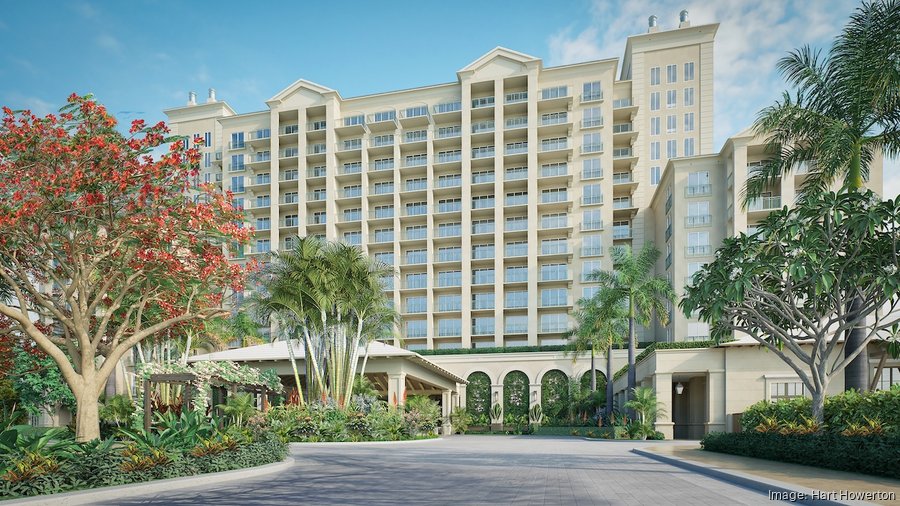
The Renovation Breakdown
The $100M transformation reimagines the 1940s-era property with brighter, sea-connected architecture that maximizes natural light and views, creating a seamless indoor-outdoor flow. This isn't just cosmetic—it's a strategic repositioning to elevate the resort's appeal in Miami's competitive market, where F&B innovations can significantly boost non-room revenue.
Spotlight on the New Concepts
The six additions offer a mix of cuisines and experiences, designed to evolve from day to night and cater to diverse guest preferences:
- Bissinger’s Handcrafted Chocolatier: A luxury chocolate boutique drawing on 350-year-old Parisian techniques, perfect for indulgent treats and gifting—ideal for capturing impulse revenue from resort guests.

- Dune Beach Bar: An oceanfront spot serving ceviche, salads, burgers, and cocktails from 11 a.m. to sunset, with extended hours for drinks; its cabana setup enhances beachside appeal for casual, high-margin dining
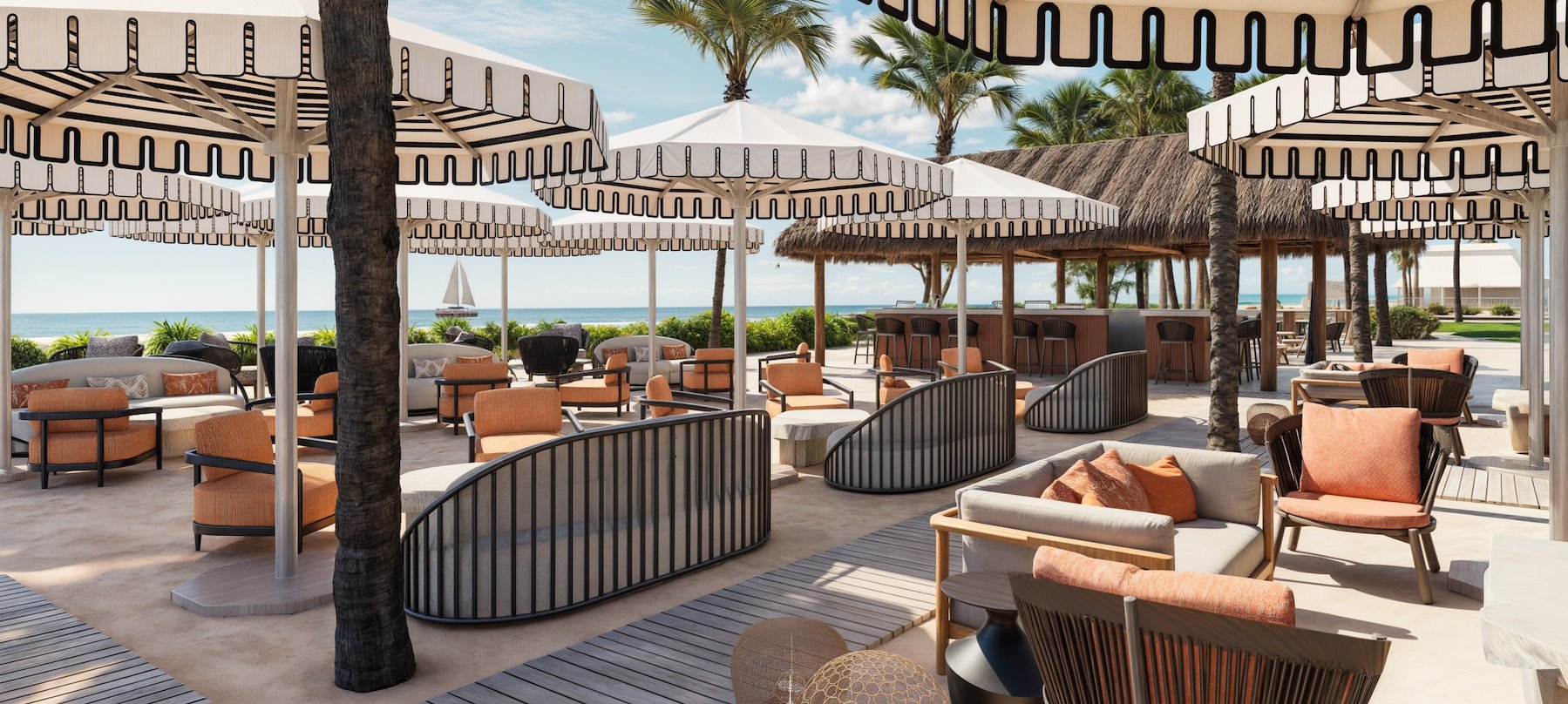
- Luma: Italian-coastal eatery featuring housemade pastas, grilled seafood, and wood-fired steaks, open for breakfast, dinner, and weekend brunch; tableside service and al fresco seating drive premium experiences and repeat visits.

- Paralía: Greek and Turkish-inspired tavern with meze, seafood, and kebabs, led by chef Renato Mekolli; daily lunch/dinner from 11 a.m., plus Friday entertainment, taps into Miami's cultural vibe for event-driven revenue.
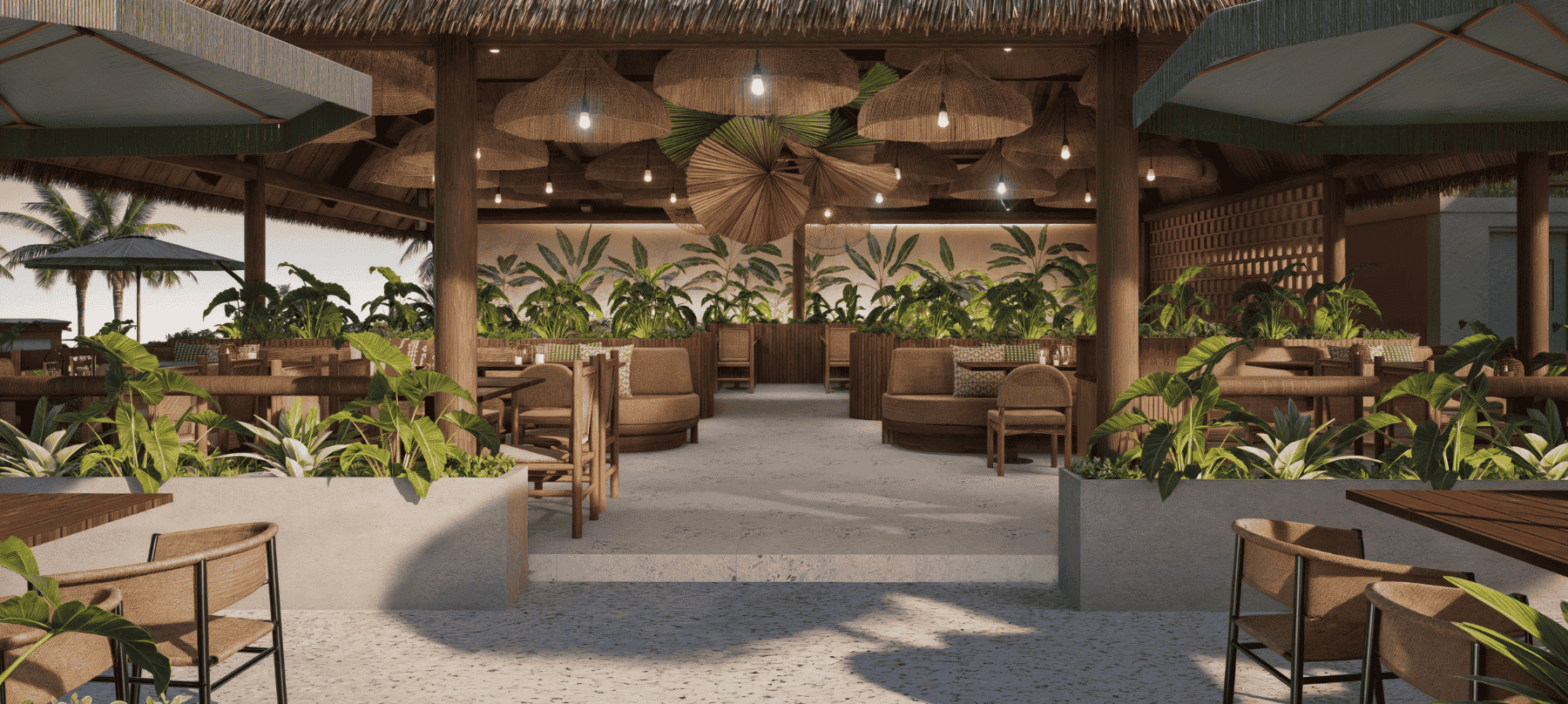
- Pura Vida Miami: A wellness café offering nutrient-rich dishes through a local partnership, aligning with health trends to attract fitness-focused travelers and locals for steady daytime traffic.

Culinary Vision and Management Insights
Director of Food and Beverage Eric Garcia emphasizes intentional dining that balances wellness and indulgence, with each venue adapting throughout the day. This vision integrates global influences with Miami's melting pot, ensuring the lineup complements the resort's amenities for a holistic guest journey—key for operators seeking to maximize dwell time and spend.
Why This Matters for Investors / Landlords
In hospitality real estate, F&B overhauls like this can yield 20-30% revenue uplifts by drawing non-guests and elevating average daily rates. For landlords, the model's replicable: Target underutilized oceanfront assets, layer in diverse, trend-aligned concepts to mitigate seasonality, and leverage partnerships (e.g., Pura Vida) for low-risk expansion. In Miami's booming tourism market, such upgrades shield against vacancies while unlocking ancillary income from events and locals.
Value-Add Hospitality
The Ritz-Carlton Key Biscayne's relaunch sets a benchmark for value-add hospitality plays, where culinary innovation turns properties into year-round destinations. Investors should scout similar revamps to capitalize on Miami's growth, blending luxury with local authenticity for enduring returns.