

Feb 13, 2026
Single-Family Rental Households Reach 7-Year High as Build-to-Rent Fuels Growth

Traded Editorial
Key Points
- Single-family rental households increased 1.7 percent in 2025, reaching a seven-year high based on a new Chandan Economics estimate
- SFR household growth is being driven by the development of purpose-built rental communities
- Build-to-rent housing is attracting lifestyle renters across age groups, supporting the sector’s expansion
What the Data Shows
Arbor Realty Trust and Chandan Economics’ latest research shows that the number of U.S. households renting single-family homes rose again in 2025, increasing 1.7 percent to reach a seven-year high. Preliminary estimates suggest single-family rental (SFR) households expanded by roughly 243,000 last year, bringing the total to approximately 14.6 million. The acceleration follows modest growth in 2023 and 2024 and marks a return to consistent annual gains after a prolonged slowdown between 2017 and 2022.

U.S. Census Bureau data highlights just how significant this shift has been. After peaking at 15.2 million households in the mid-2010s, the SFR sector lost momentum as small landlords sold inventory back into the owner-occupied market during a period of strong home price appreciation and historically low mortgage rates. Since the pandemic, however, SFR household growth has stabilized and regained traction, adding nearly half a million households over the past three years alone.

The composition of that growth is equally important. Chandan Economics’ analysis shows that attached, purpose-built single-family rentals have emerged as the primary driver of expansion. In 2024, attached SFR households grew more than four percent year over year, while detached rental homes posted minimal growth. Although detached homes still represent the majority of SFR inventory, attached products accounted for the vast majority of new households, underscoring the rising influence of build-to-rent (BTR).
BTR Scales Rapidly to Meet Rising Demand

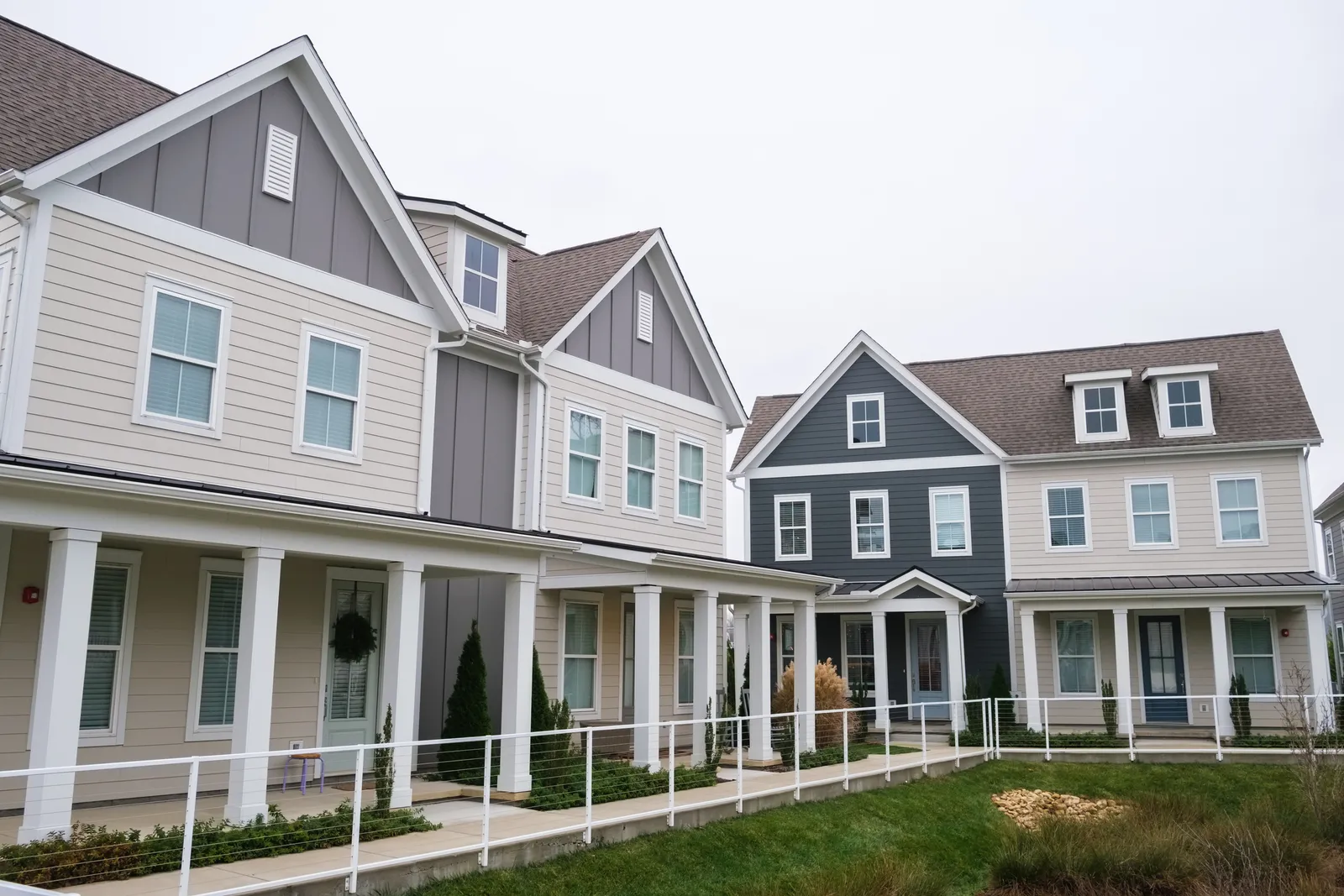
Amid an imbalance in the housing market, build-to-rent development has scaled rapidly, meeting evolving renter preferences while supporting the sector’s new growth pattern. BTR construction now accounts for more than seven percent of all single-family housing starts, well above historical norms and more than triple its long-term average prior to 2013. Even as construction activity cooled modestly in 2025, the pipeline remains near historical highs, with roughly 71,000 BTR units started nationwide over the past year.

These purpose-built communities are designed to deliver a distinct rental experience, combining single-family layouts with professional management and shared amenities. That model has broadened the SFR renter base beyond traditional households, attracting lifestyle renters across generations, including families seeking space, remote workers prioritizing flexibility, and older renters downsizing without sacrificing quality. In high-growth metros and Sun Belt markets where land availability supports horizontal development, BTR has helped SFR absorb new household formations that might otherwise have flowed into multifamily or for-sale housing.
The Takeaway
The return to a seven-year high in single-family rental household growth reflects more than a cyclical rebound. Chandan Economics’ research points to a structural shift driven by affordability pressures, demographic change, and the expansion of purpose-built rental supply. While total SFR households remain below prior peaks, the rise of build-to-rent and the growing appeal of lifestyle-oriented rental housing suggest a more durable growth trajectory ahead. For lenders, developers, and investors, the data reinforces that SFR continues to be a strong source of growth within the U.S. housing market.
For more insights, visit Arbor.com and explore additional market coverage on Traded.co.