

Jul 10, 2025
Royal Caribbean Plans $345M Redevelopment at Port of Miami

Traded Editorial
Key Points
-
$345 million design-build contract set for approval July 16 by Miami-Dade Commission.
-
Capacity boost: from 600K to 2.1 million passengers annually; accommodates 7,000-passenger Icon‑class ships.
-
Infrastructure ramp-up: 9‑level parking garage (2,148 spaces) + ground-level transport hub part of development.
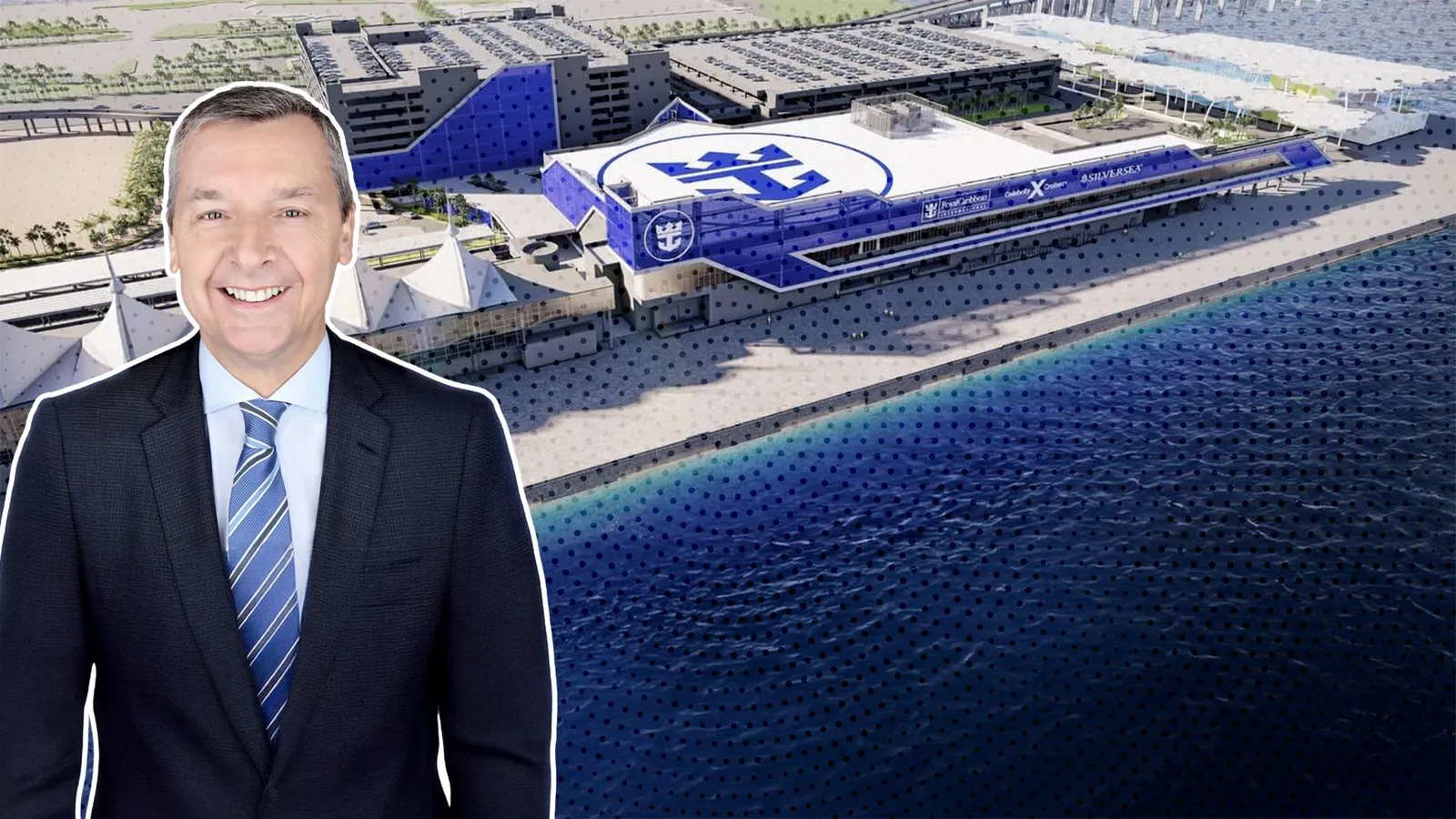
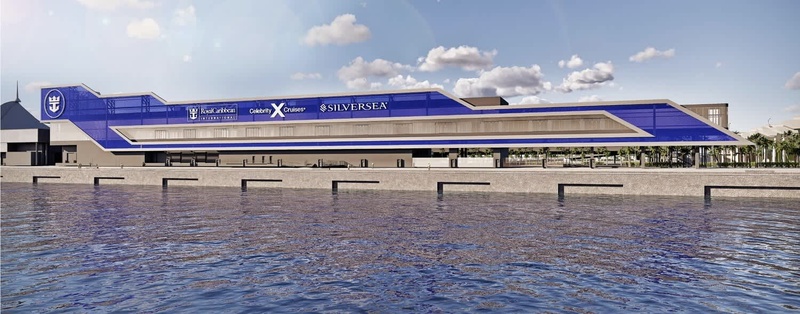
Royal Caribbean is tearing down the old Terminal G to make way for a sweeping $345 million redevelopment at PortMiami. This isn't just a cruise terminal—it's a strategic investment poised to transform capacity, logistics, and long-term regional impact.
Demolition & Construction Progress
-
The existing Terminal G is currently being dismantled to prepare for the new terminal complex.
-
Expect coordinated activity as Lemartec‑NV2A Joint Venture awaits a July 16 vote for the design-build contract.
Terminal Features & Capabilities
-
Designed to process Icon‑class ships—Royal Caribbean’s largest vessels with ~7,000 passengers.
-
Annual passenger throughput estimated to jump from 600,000 to 2.1 million.
-
Features include:
-
Multi-berth configuration (two ready at opening, third by 2028).
-
Nine-level parking structure, 2,148 spaces + ground-level intermodal hub.
-
The Deal: What the Contract Includes
-
Miami-Dade County and Lemartec‑NV2A JV are negotiating a design-build deal worth $345 million, up for vote July 16.
-
Part of a historic 50-year, $2.8 billion PortMiami partnership with Royal Caribbean, extending terminal and HQ lease to at least 2072.
-
Minimum Annual Guarantee (MAG) ensures passenger volume: starts at 600K, rises to 1.5M post-completion (~2027), then holds at 2.1M until year 36.
Strategic Fit & Market Insight
-
PortMiami is already the world’s busiest passenger port, handling over 7 million cruise guests yearly.
-
New Terminal G reinforces its status as the “Cruise Capital”, aligning with the Icon‑class Icon of the Seas homeport strategy.
-
Delivers economic impact through construction jobs (~9,600) and over 12,000 long-term cruise-related positions, including 1,000+ HQ roles at $100K+ average wages.
The demolition of Terminal G signals the redirection toward capacity and growth—2.1 million annual passengers, Icon‑class readiness, major infrastructure upgrades, and a strong public–private contract structure. For commercial real estate stakeholders, this represents a surge in transit-driven demand and a clear sign of Miami's long-term cruise infrastructure boom.