

Dec 11, 2023
Revival of Urban Retail with 48% Apparel Leasing Surge in Prime Corridors
Just a few years ago, urban retail seemed to be on its last legs. The COVID-19 pandemic had forced many stores in city centers to shut their doors, and customers were slow to return.

Traded Editorial
The Resurgence of Urban Retail
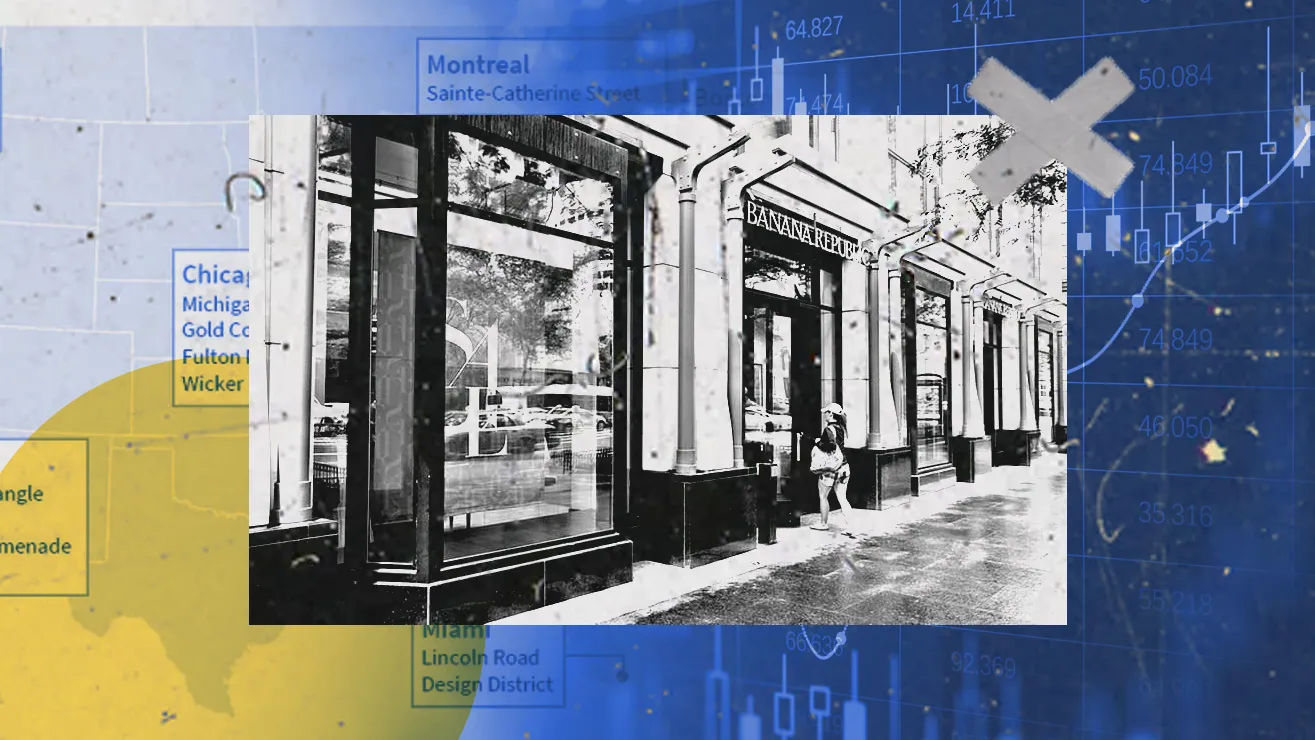
Just a few years ago, urban retail seemed to be on its last legs. The COVID-19 pandemic had forced many stores in city centers to shut their doors, and customers were slow to return. However, the landscape has drastically changed today. According to a recent report by JLL, urban retail is experiencing a significant revival, fueled by a surge in consumer spending and a revival of both domestic and international tourism. This resurgence has led to foot traffic returning to pre-pandemic levels in many prime shopping districts.
Understanding the Concept of Urban Retail
Urban retail, also known as a "prime urban corridor," is defined as a nationally recognized shopping district renowned for its blend of high-street, national, and international tenants. These are the likes of Chicago's Michigan Avenue, Los Angeles' Beverly Hills Triangle, or New York City's Fifth Avenue. Unlike malls or outdoor shopping centers that are typically the brainchild of a single master developer, these prime urban corridors are organic, often named after famous streets within the corridors. They are characterized by notable retail spaces and points of interest, both current and future.
Key Findings from the Study
The study by JLL researchers analyzed several North American prime urban corridors. It found that office populations have surpassed 50% across all major metros, hotel occupancy has returned to pre-pandemic levels, and residential population outflows from major cities have stabilized. Here are some additional highlights:
- Apparel is in demand: With people eager to return to normalcy post-pandemic, there has been a significant increase in apparel leasing in prime corridors. In 2023, apparel retailers accounted for 48% of overall prime corridor leasing, up from 35% in 2022. Athleisure retailers made up 21% of new apparel leases, reflecting the rise of hybrid and remote work.
- Luxury retailers are thriving: The gradual return of tourism and hybrid office workers has also boosted luxury retailers. These retailers understand the value of an in-store experience that can't be replicated at home. This understanding has led to 45% of luxury leasing activity in the prime urban corridors.
- Growth in jewelry and food sectors: The study also noted that "occasion dressing" extended beyond apparel. Jewelry and accessories retailers made up 11% of prime urban corridor leasing. Food users and restaurants also saw expansion, accounting for about 15% of total leasing velocity. This growth is attributed to consumers' renewed desire to dine out, leading to an 8% year-over-year increase in food and beverage store sales.
Conclusion
In conclusion, urban retail is back and stronger than ever. The sector has shown remarkable resilience and adaptability in the face of adversity. As we move forward, it will be interesting to see how this sector continues to evolve and adapt to the changing consumer behaviors and market dynamics.