

Apr 2, 2026
Resia Plans 220-Unit Golden Glades II Workforce Housing Project In Miami
Traded Media

Traded Editorial
- Resia proposes 220-unit multifamily project in Miami-Dade
- All units planned as income-restricted housing
- Second phase follows successful 420-unit modular development nearby
What the project means for Miami affordable housing pipeline
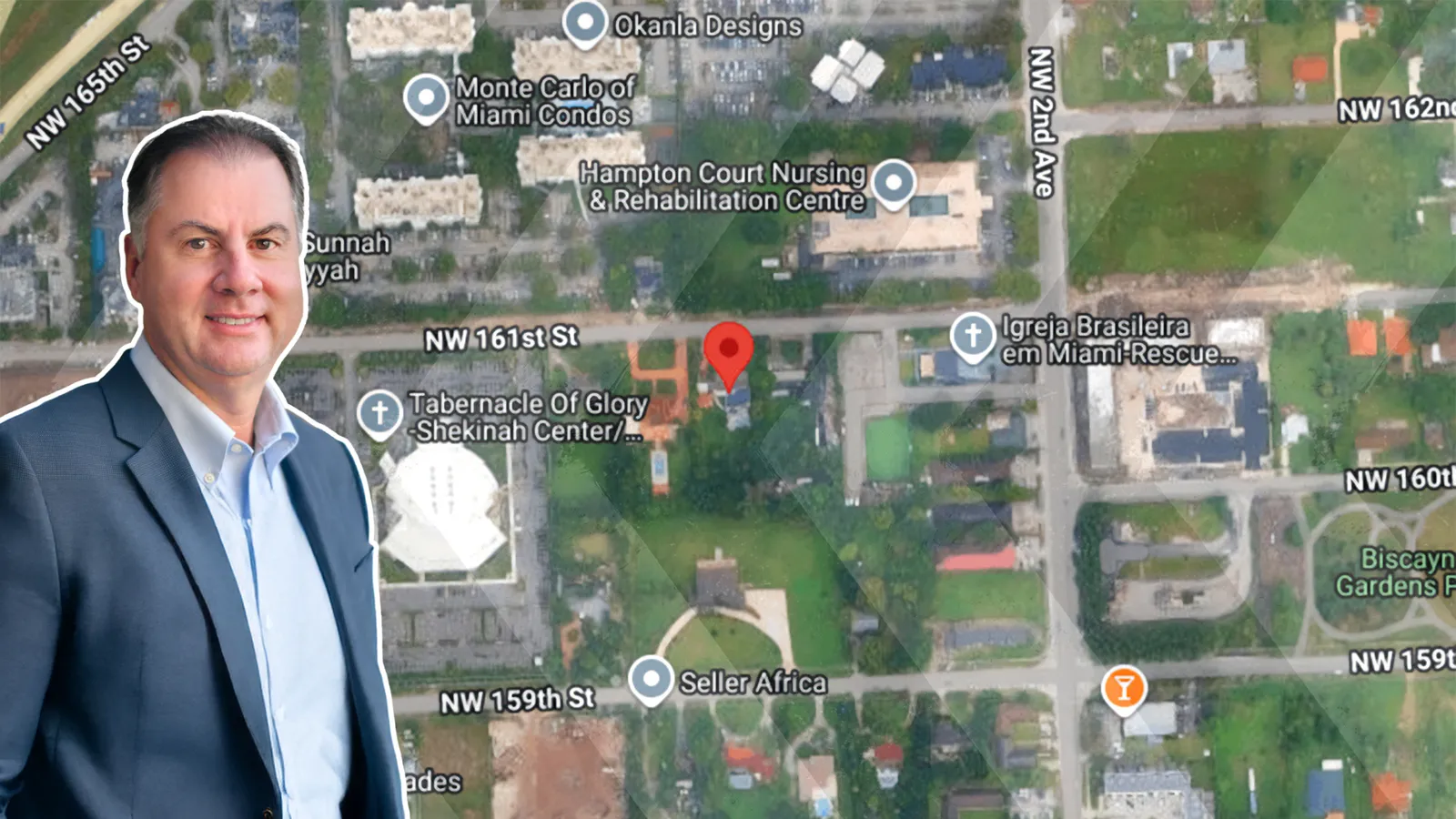
Resia is moving forward with plans for Golden Glades II, a 220-unit multifamily development in Miami that builds on the success of its nearby Golden Glades project. The new development will rise across three five-story buildings on a 5.46-acre site, replacing low-density residential parcels with higher-density housing. This reflects a broader push to increase supply in Miami-Dade, particularly for income-restricted housing. As a follow-up phase, the project shows continued confidence in the submarket and the initial development’s performance.
What the modular precedent means for construction strategy
The first phase of Golden Glades used modular construction to accelerate delivery and reduce costs, a strategy that could influence how this second phase is executed. While construction methods for Golden Glades II have not been confirmed, the prior success suggests Resia may continue leveraging cost-efficient building techniques. For developers, modular and streamlined construction methods are becoming more attractive in markets with rising labor and material costs.
What the scale and amenities mean for renters
Golden Glades II will include 220 units supported by a full amenity package, including a pool, fitness center, courtyard, and pickleball court. The project also plans for over 400 parking spaces, aligning with suburban renter needs in Miami-Dade. This combination of workforce housing and lifestyle amenities reflects a growing trend where affordability is paired with quality living environments.
What zoning and land use mean for development potential
The site was previously rezoned from low-density to medium-high residential, enabling the scale of this project. This type of rezoning is critical in unlocking new housing supply, especially in areas where land is limited or underutilized. Developers are increasingly targeting sites like this to maximize density while aligning with local housing goals.
What this means for developers and investors
Golden Glades II highlights continued momentum in workforce and affordable housing development across South Florida. For developers, projects like this benefit from strong demand and supportive zoning changes. For investors, income-restricted housing offers stable occupancy and long-term resilience. As Miami continues to grow, developments that balance affordability and scale will remain a key part of the pipeline.