

Feb 20, 2026
Related Cos. and Phipps Houses Refinance 619-Unit Queens Affordable Tower With $137M Fannie Mae Bond Deal
Traded Media

Traded Editorial
Key Points:
- Related Companies and Phipps Houses secured $136.5 million in Fannie Mae bonds for a 619-unit affordable tower in Long Island City.
- Financing through New York City Housing Development Corp. replaces a prior loan of the same size.
- With thousands of LIHTC units nearing compliance expiration nationwide, preservation financing is becoming a major theme.
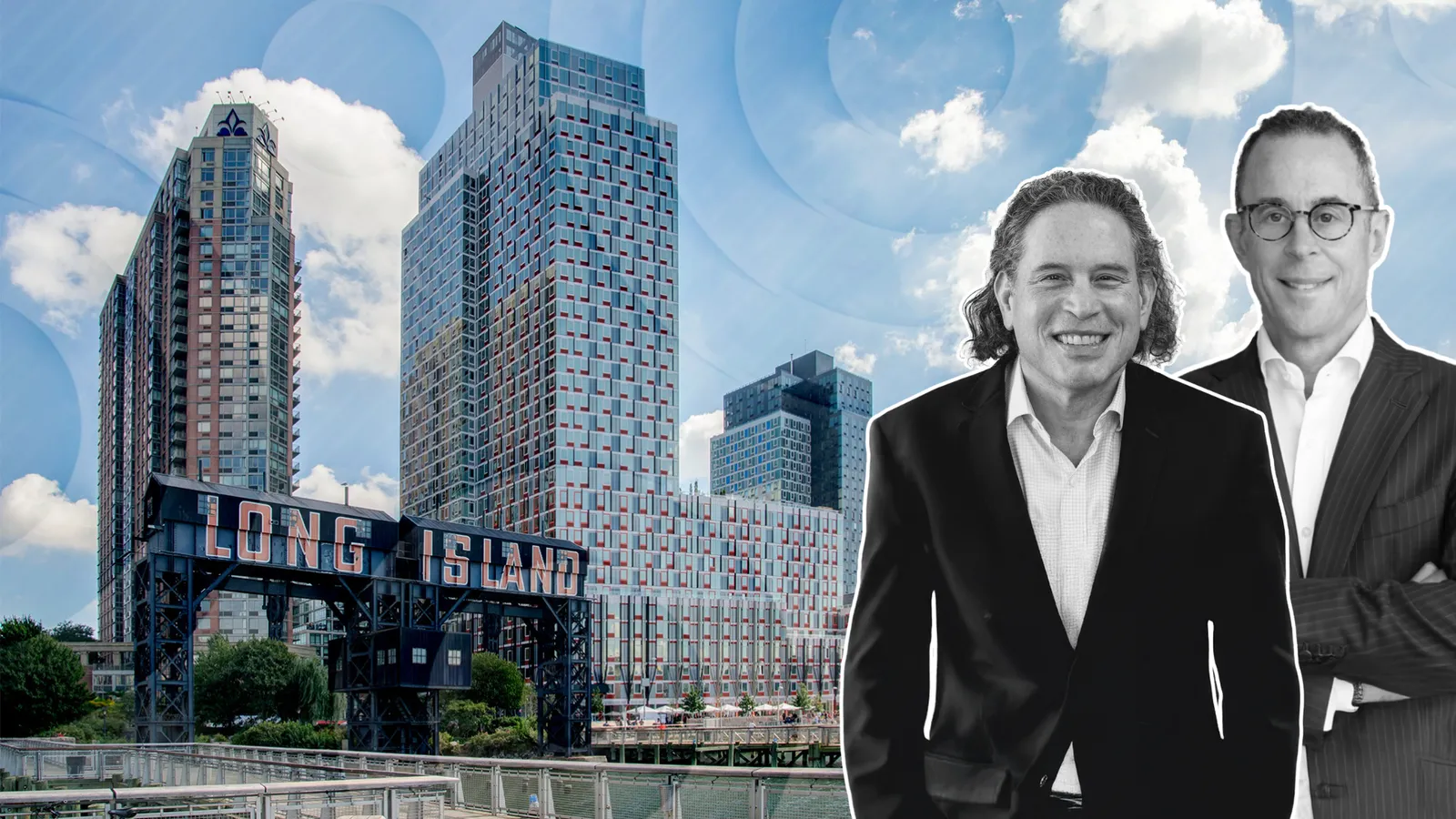
A joint venture between Related Companies and Phipps Houses has closed on $136.5 million in bond financing for Hunter’s Point South Commons, a 37-story affordable housing tower in Long Island City, Queens. The bonds, issued through New York City Housing Development Corp., refinance an existing loan and reinforce long-term affordability at one of the city’s most prominent mixed-income developments. For landlords and institutional investors, this is a capital markets story centered on preservation, not new supply.
A Cornerstone of Hunter’s Point South
Located at 1-50 50th Avenue along the East River, the property includes 619 units ranging from studios to three-bedroom apartments, along with 13,739 square feet of ground-floor retail. The project broke ground in 2013 and was part of what became the largest affordable multifamily initiative built in New York City since the 1970s. Five of the seven parcels in the broader Hunter’s Point South master plan have now been developed, transforming the waterfront into a dense residential corridor anchored by public park space completed in 2018. Its location, just minutes from Midtown Manhattan, continues to support strong rental fundamentals despite broader market cycles.
Refinancing Over Risk
The new $136.5 million bond deal retires a previous loan of identical size. That signals stabilization rather than distress and reflects continued liquidity for large, affordable assets backed by strong sponsors. Agency-backed bond executions remain one of the most reliable financing tools for affordable housing owners in New York. They offer structured, long-term capital while preserving regulatory compliance. For institutional landlords, this type of refinancing demonstrates proactive balance sheet management at scale.
The LIHTC Clock Is Ticking
A larger issue looms across the affordable sector. Many Low Income Housing Tax Credit properties are nearing the end of their initial compliance periods.
In 2025 alone, nearly 29,000 private LIHTC units reached the end of their initial compliance window, with another 15,000 exiting extended use periods. That creates potential pressure on affordability unless owners pursue resyndication or bond-driven recapitalizations.
Four percent LIHTC resyndication, combined with private activity bond financing, remains a primary tool for extending restrictions and preserving affordability.
Transactions like this suggest major sponsors are moving early rather than waiting for regulatory deadlines.
Why It Matters
Long Island City remains one of the strongest rental submarkets in Queens, with proximity to Manhattan, waterfront amenities, and established infrastructure. For investors, the takeaway is clear. Affordable housing preservation is becoming as important as ground-up development. Institutional sponsors with agency relationships and bond market access will continue to dominate this space. Expect more refinancings tied to expiring LIHTC compliance periods over the next several years. Related and Phipps are signaling that long-term affordable positioning in supply-constrained markets like New York still commands capital support