

Jun 4, 2025
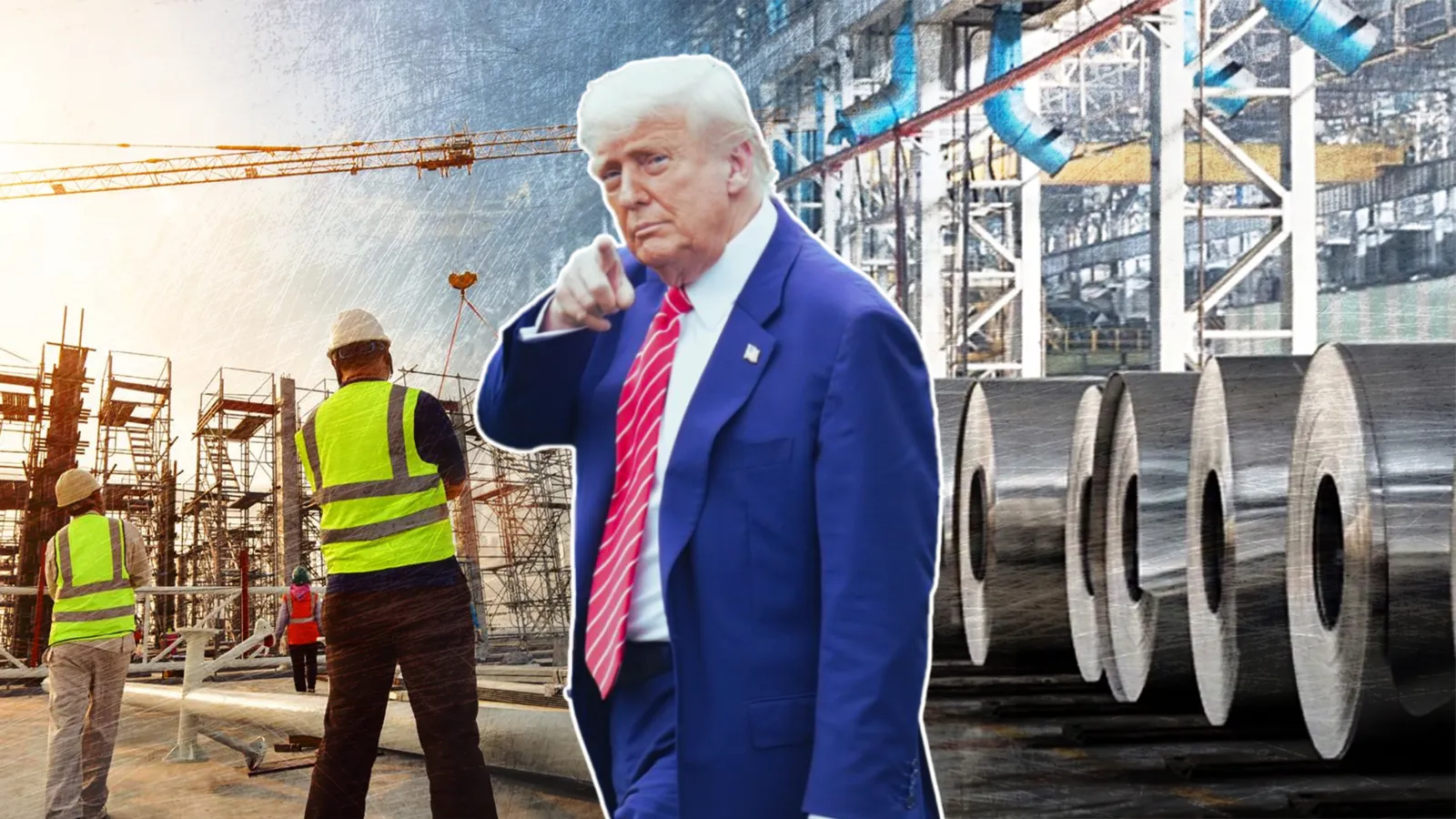
Real Estate Construction Industry Braces for Price Hikes from New Aluminum, Steel Tariffs - Up 2x

Traded Editorial
Key Points:
-
U.S. steel and aluminum import tariffs have doubled to 50%, effective June 4, 2025.
-
Construction costs are projected to rise by 4% to 8%, with significant impacts on project budgets and timelines.
-
Contractors are revising contracts and sourcing strategies to mitigate the financial strain
The recent escalation in U.S. tariffs on steel and aluminum imports is poised to have a profound impact on the construction industry. With tariffs doubling to 50%, developers and contractors face mounting pressures on project costs and supply chains, as reported by The Business Journals.
Tariff Surge: Immediate Impacts on Construction
-
The U.S. government's decision to double tariffs on steel and aluminum imports aims to bolster domestic industries but introduces significant cost challenges for construction projects.
-
Skanska USA estimates that such tariffs could increase construction costs by approximately 4% to 8%, translating to millions in additional expenses for large-scale projects.
-
The increased tariffs are expected to affect a wide range of construction materials, including metal panels, cement, concrete, and drywall, leading to broader cost escalations across the industry.
Contractual Adjustments and Risk Management
-
Contractors are proactively revising existing contracts to include price escalation clauses and force majeure provisions to address unforeseen cost increases due to tariffs.
-
Legal experts advise that future contracts should explicitly account for tariff-related risks, ensuring that all parties are protected against sudden material cost surges.
-
Some firms are exploring bulk purchasing and alternative sourcing strategies to lock in prices and secure supply chains amidst the volatility.
Supply Chain Disruptions and Material Sourcing
-
The tariffs have led to increased demand for domestically produced steel and aluminum, straining existing supply chains and leading to potential delays in material availability.
-
Contractors are seeking alternative suppliers and considering design modifications to reduce reliance on heavily tariffed materials.
-
The shift towards domestic sourcing may also lead to increased lead times and logistical challenges, further complicating project timelines.
Broader Economic Implications
-
The construction industry's challenges are reflective of broader economic concerns, including potential inflationary pressures and reduced investment in new projects.
-
Economists warn that while the tariffs aim to protect domestic industries, they may inadvertently lead to job losses in sectors reliant on steel and aluminum imports.
-
The uncertainty surrounding trade policies is causing some developers to delay or scale back projects, impacting overall economic growth.
The doubling of steel and aluminum tariffs presents a complex challenge for the construction industry, with significant implications for project costs, supply chains, and contractual agreements. Stakeholders must navigate this new landscape with strategic planning and adaptability to mitigate risks and sustain operations. As the industry adjusts, ongoing monitoring of policy developments and proactive engagement with supply chain partners will be crucial.