

Oct 22, 2025
Qatari-Owned St. Regis Bal Harbour Resort’s $188M CMBS Loan Moves to Special Servicing Ahead of Maturity
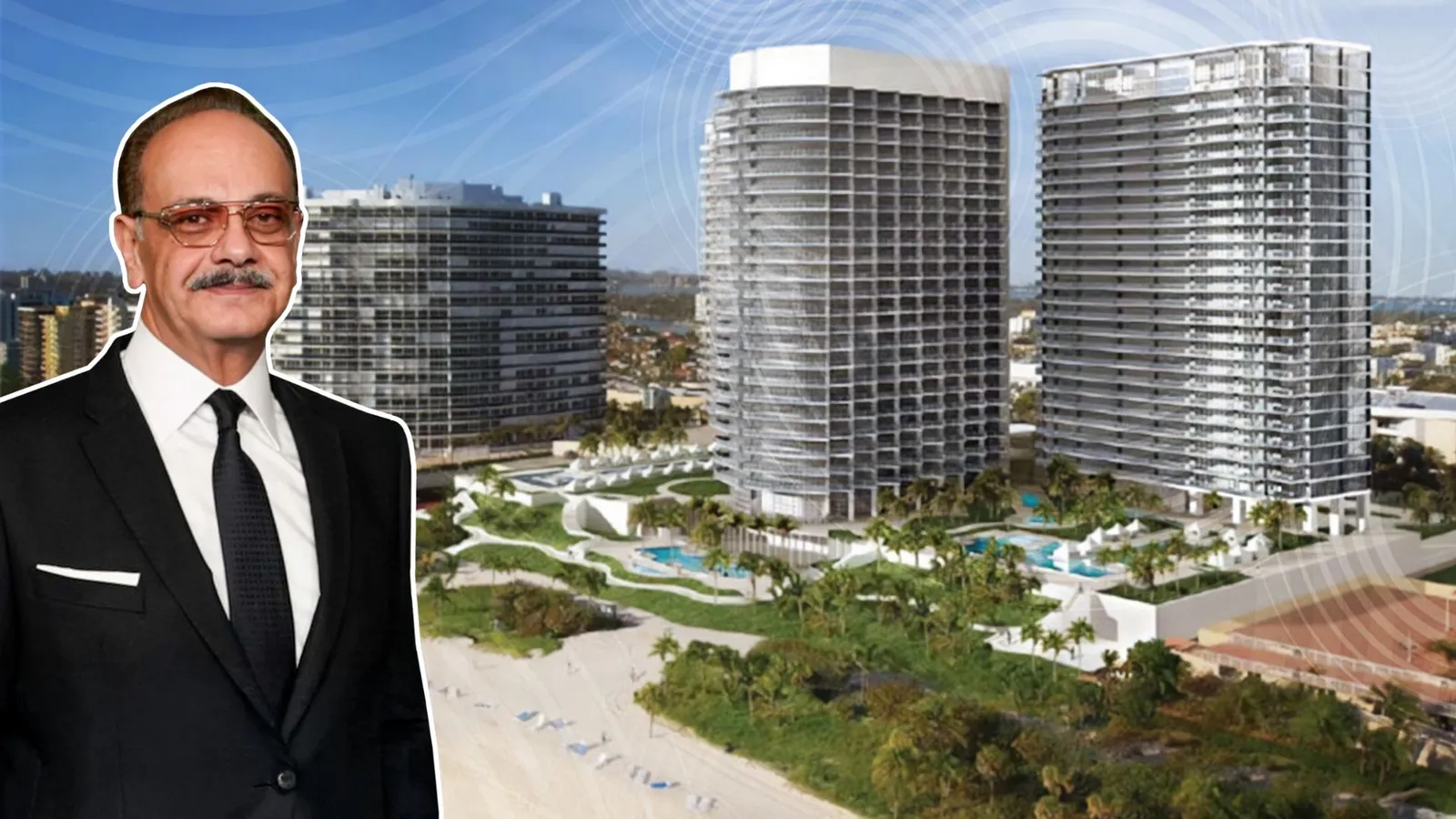

Traded Editorial
Key Points
-
A $188 million CMBS loan tied to the St. Regis Bal Harbour Resort (Bal Harbour, FL) has been transferred to special servicing ahead of its November maturity.
-
The owner, Qatar’s Al Rayyan Tourism Investment Company (ARTIC), led by CEO Tarek El Sayed and chaired by Sheikh Faisal Bin Qassim Al Thani, is current on payments and holds a one-year extension option but faces scrutiny due to falling cash flow.
-
The resort’s net cash flow in 2024 fell to about half of its 2021 level, raising concern among bondholders despite an above-breakeven debt service coverage ratio.
The St. Regis Bal Harbour Resort—owned by Qatar’s Al Rayyan Tourism Investment Company (ARTIC)—has seen its $188 million commercial mortgage-backed securities (CMBS) loan move into special servicing as its maturity date approaches. This development comes despite the borrower being current on payments and having an extension option.
Financing and Ownership Background
ARTIC secured the loan in 2021 from Column Financial to refinance a prior $132 million mortgage held by the Reuben Brothers. The property, located at 9703 Collins Avenue in Bal Harbour, consists of three 27-story towers with 192 hotel rooms and 205 condos. ARTIC acquired the hotel portion in 2014 for $213 million from Starwood Capital Group, led by Barry Sternlicht, and later invested about $40 million in renovations.
While the loan allows for a one-year extension, Al Rayyan’s request for that extension is under review. The borrower must meet certain conditions, including securing a new interest-rate cap, which has not yet been confirmed.
Why the Loan Entered Special Servicing
Though ARTIC remains current on its mortgage and the property maintains a positive debt service coverage ratio, net cash flow dropped from roughly $24.6 million in 2021 to around $16.4 million in 2024. This decline likely triggered closer scrutiny from bondholders and servicers.
Industry sources note that even performing loans can be transferred to special servicing when maturity extensions or refinancing become uncertain. Across the broader CMBS market, loans heading into maturity remain a top source of distress, with overall special servicing rates hovering around 10 percent.
Adding to the challenges, the property has faced legal and operational issues. Last year, the St. Regis Bal Harbour Residences condo association sued ARTIC, alleging construction defects and mismanagement. That dispute has since been settled, but it added to the resort’s headline risk during refinancing negotiations.
Investor and Landlord Takeaways
For investors, this case underscores that even strong, luxury assets can face distress when debt maturities align with weaker cash flows and tighter refinancing conditions. Payment performance alone does not shield borrowers from servicing transfers if extension requirements are unmet.
For landlords and brokers, the message is clear: maturity risk is now a leading concern across commercial real estate. Borrowers with floating-rate or CMBS debt must proactively manage extension criteria, particularly when rate-cap requirements or declining revenue are factors.
The hospitality sector remains especially vulnerable. Despite record tourism numbers in South Florida, profit margins are being compressed by higher operating costs and debt service. This environment has pushed several hotel loans toward special servicing or restructuring discussions.
Timelines Are Everything
The St. Regis Bal Harbour Resort case illustrates how maturity deadlines and falling cash flows can trigger special servicing—even when payments remain current. For real estate investors, it serves as a reminder that managing refinancing timelines and interest-rate exposure is just as critical as property performance in today’s market.