

Jan 27, 2026
Port of LA Unveils Outer Harbor Cruise Terminal as Major Waterfront Revamp Takes Shape
Traded Media

Traded Editorial
Key Points
- The Port of Los Angeles selected Pacific Cruise Terminals LLC to develop and operate the new Outer Harbor Cruise Terminal.
- The project supports a broader port strategy to expand cruise and cargo capacity on the L.A. waterfront.
- The terminal aims to position Los Angeles as the primary West Coast cruise gateway.
A New Cruise Hub Takes Shape
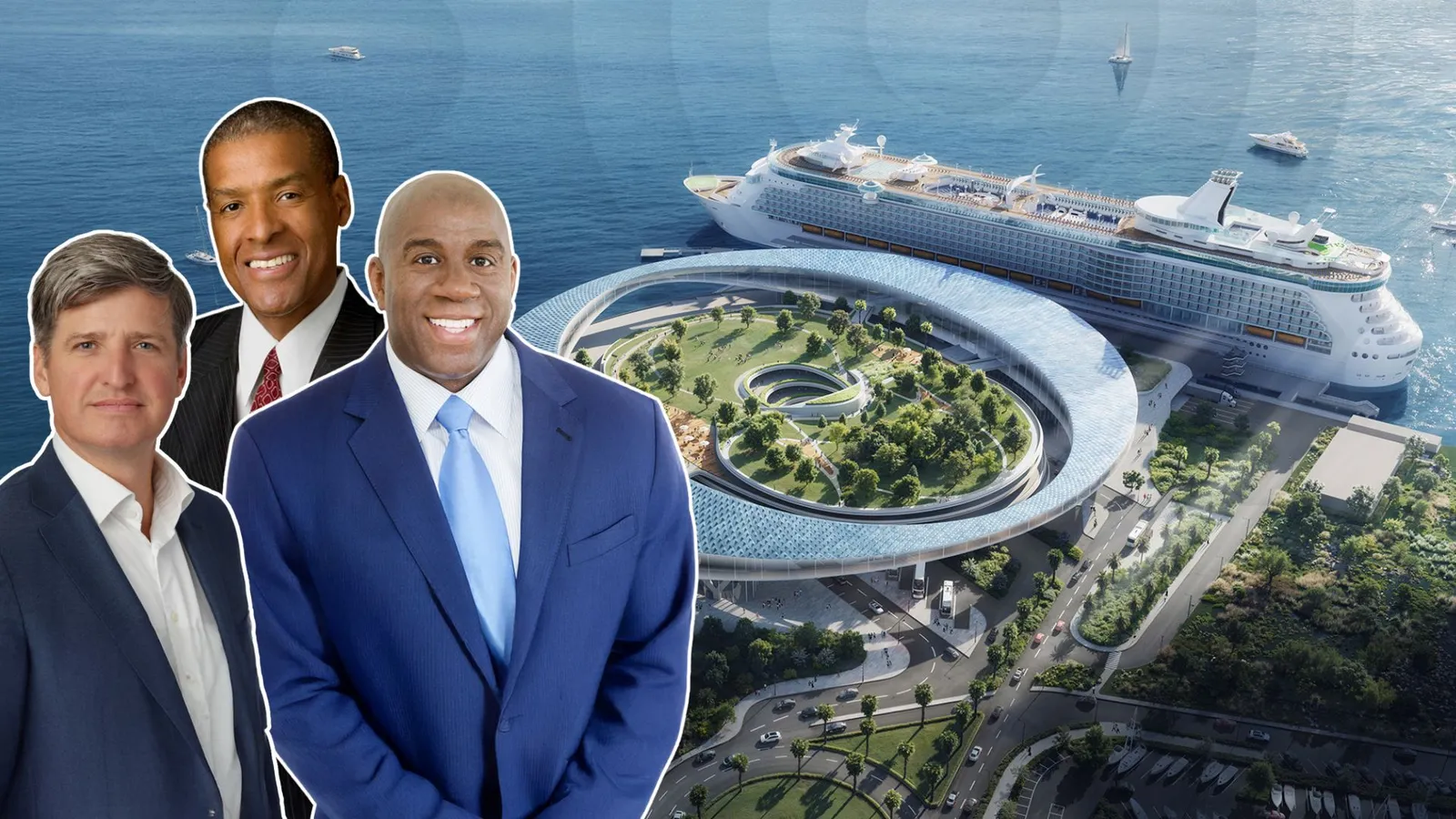
The proposed Outer Harbor cruise terminal will rise on the southern edge of the Port of Los Angeles complex, replacing existing surface parking. The port selected Pacific Cruise Terminals LLC, a joint venture between Carrix Incorporated and JLC Infrastructure, to develop and operate the facility. Renderings show a distinctive ring shaped terminal with a central green space and a new waterfront park designed to open directly to the public, blending cruise operations with placemaking.
Part of a Broader Port Strategy
The Outer Harbor terminal is one piece of a larger modernization plan that also includes upgrades to the existing World Cruise Center in San Pedro. Together, these improvements are designed to increase cruise throughput while maintaining the port’s core cargo operations. According to Gene Seroka, the investment will help the port capture more cruise demand while strengthening Los Angeles’ role as the dominant West Coast cruise gateway. The project is also expected to drive sustained economic activity for surrounding port communities.
Real Estate Implications Along the Waterfront
Large scale cruise infrastructure tends to generate ripple effects beyond the terminal gates. Increased passenger volumes support nearby hospitality, retail, and mixed use development, particularly in waterfront adjacent neighborhoods like San Pedro. Replacing surface parking with a high intensity, revenue generating use also reflects a broader trend among ports and municipalities to maximize land value while improving public access to the waterfront.
Why This Matters for Investors
Cruise demand continues to rebound globally, and West Coast ports are competing to capture itineraries and homeport operations. By expanding capacity and modernizing facilities, the Port of Los Angeles is positioning itself for long term relevance in the cruise ecosystem. For real estate investors, the takeaway is clear. Infrastructure driven waterfront projects create durable value, especially when paired with public space, tourism traffic, and long term institutional partners.
Bottom Line
The Outer Harbor cruise terminal marks a significant step in the Port of Los Angeles’ evolution from pure logistics hub to multi use waterfront destination. As cruise activity grows and public investment accelerates, port adjacent real estate stands to benefit from increased visibility, foot traffic, and economic momentum.