

Sep 30, 2025
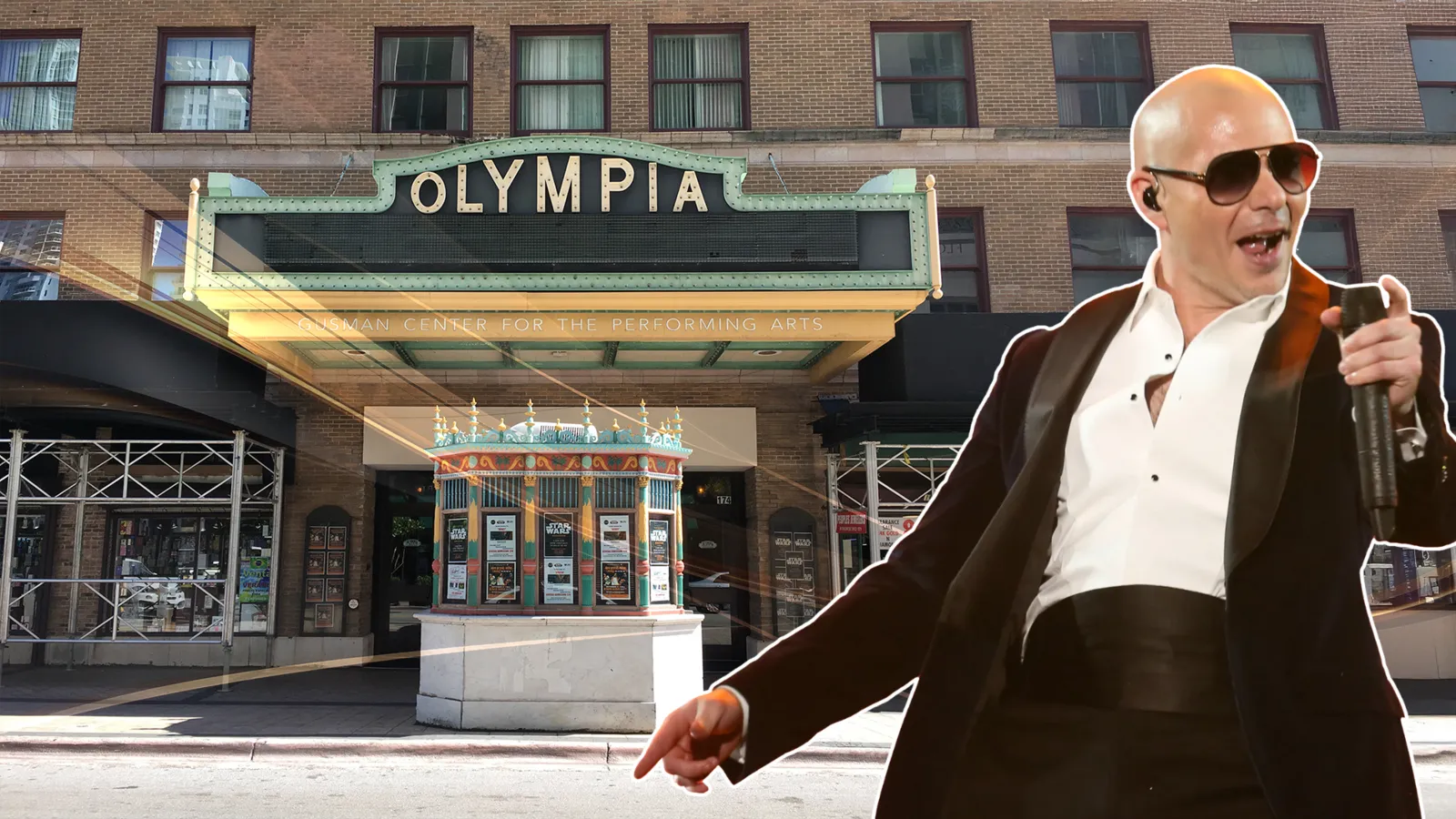
Pitbull-Backed SLAM Charter School Acquires Miami's Olympia Theater for $10, Commits to $77M in Repairs

Traded Editorial
Key Points
-
The City of Miami transferred ownership of the historic Olympia Theater and adjacent office building to SLAM, a nonprofit charter school founded by artist Pitbull, for $10.
-
As part of the deal, SLAM is required to complete $77 million in repairs within five years and maintain educational and cultural programming at the venue.
-
If SLAM fails to meet its obligations, ownership of the property reverts back to the city.
In a dramatic turn for one of Miami’s oldest landmarks, the city has handed over the historic Olympia Theater to Pitbull’s charter school network for just $10. The deal, while raising eyebrows for its price tag, carries major obligations: SLAM must invest $77 million in capital repairs and activate the site with cultural and educational programming. This move reflects growing municipal reliance on public-private partnerships to preserve historic assets amid fiscal strain.
Transaction Terms and Timeline
The City of Miami Commission approved the no-cost transfer of the Olympia Theater and its adjacent 10-story office building to Sports Leadership and Management, known as SLAM. SLAM, a charter school nonprofit founded by Miami-born artist Pitbull, operates 14 schools across four states and serves approximately 7,000 students.
Under the terms of the agreement:
-
SLAM must invest $77 million in repairs and capital improvements within five years.
-
The theater must be available for public use a minimum of 180 days annually.
-
SLAM must partner with Miami-Dade College to offer educational and cultural programming.
-
If these conditions are not met, ownership reverts to the City of Miami.
-
The transfer also resolves a long-standing lawsuit from the Gusman family, who previously donated the property to the city under a preservation covenant.
Historical and Structural Context
Opened in 1926, the Olympia Theater was designed by architect John Eberson in the “atmospheric theater” style, with Mediterranean and Moorish design elements. It once hosted Elvis Presley and was the longtime home of the Greater Miami Philharmonic. Despite its landmark status, it has suffered from deferred maintenance, particularly in recent decades.
The nonprofit Olympia Center managed the theater until 2020 but returned control to the city due to escalating costs. Subsequently, the Gusman family sued, claiming the city had violated the terms of the original donation. That lawsuit is now dismissed as part of the new agreement.
Investor and Community Implications
The deal sets a notable precedent for adaptive reuse of publicly owned historic assets. Instead of continuing to bear the financial burden of maintenance, the city is transferring risk and responsibility to a nonprofit operator. However, some preservation groups have criticized the process for lacking transparency and bypassing a competitive bidding process.
Real estate stakeholders should monitor how SLAM structures its $77 million capital plan. Details on funding sources, construction phasing, and whether the school will pursue public subsidies or private donations could impact investor confidence in similar models. Additionally, the mix of daytime educational use with evening cultural programming aims to boost Flagler Street’s street-level activity, a key goal of ongoing downtown revitalization efforts.
A Method for Social & Cultural Returns
The Olympia Theater transaction is a case study in blending education, culture, and historic preservation under a nonprofit redevelopment model. While the $10 price point is symbolic, the true cost and responsibility are substantial. If successful, it may signal a new strategy for cities looking to offload legacy assets in exchange for social and cultural returns.