

May 16, 2026
Permits Filed for 77-Unit Mixed-Use Project in Brooklyn’s Bed-Stuy

Traded Editorial
- Permits have been filed for a new eight-story mixed-use development at 1123 Myrtle Avenue in Bedford-Stuyvesant.
- The project would include 77 residential units alongside commercial and community facility space.
- YS Developers LLC is leading the development near the Myrtle Avenue subway station.
What the Myrtle Avenue Project Includes
A new mixed-use residential project is moving forward in Brooklyn’s Bedford-Stuyvesant neighborhood after permits were filed for an eight-story development at 1123 Myrtle Avenue. The proposal covers the properties between Lewis Avenue and Broadway, just steps from the Myrtle Avenue subway station served by the J, M, and Z lines. According to filings, the development would rise 86 feet tall and contain approximately 123,133 square feet of space. Most of the building will be dedicated to residential use, with roughly 119,896 square feet allocated for housing. Plans call for 77 residential units, which are expected to be condominiums based on the unusually large average unit size of approximately 1,557 square feet. The project will also include a small amount of commercial space and community facility space at the property.
What the Development Means for Bed-Stuy
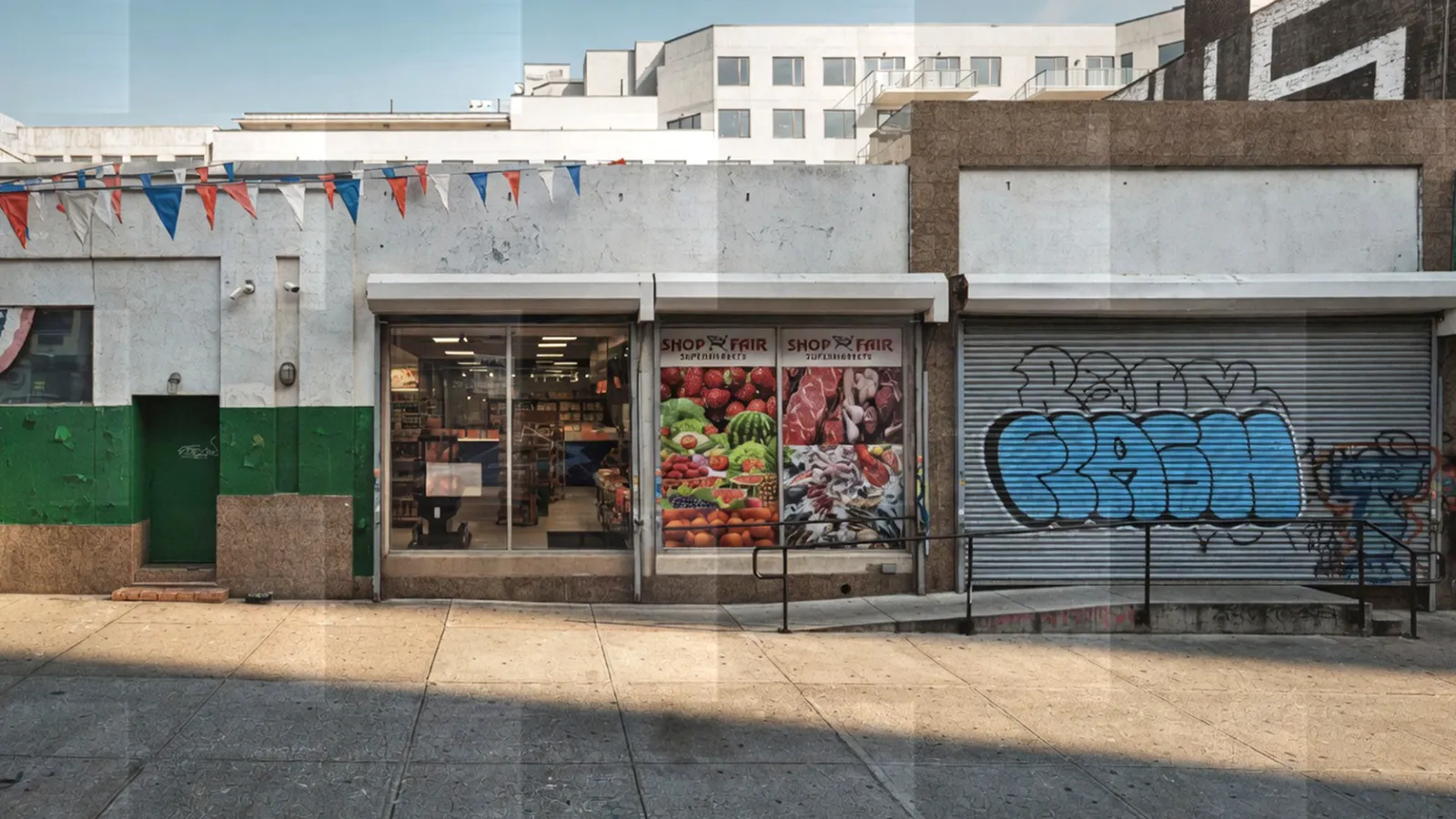
The project reflects the continued evolution of Myrtle Avenue as developers increasingly target transit-accessible corridors across Bedford-Stuyvesant for larger multifamily and mixed-use projects. The development site currently contains a one-story structure, with demolition permits already filed last month to clear the property for construction. Hamish Whitefield Architects is listed as the architect of record for the project. Plans also include a cellar level and a rear yard extending roughly 30 feet.
What the Project Signals for Brooklyn Development
The filing highlights continued residential development momentum across Brooklyn despite elevated construction costs and tighter financing conditions. Bed-Stuy remains one of the borough’s most active multifamily development markets because of strong housing demand, transit access, and ongoing neighborhood investment. Larger condo-style projects have become increasingly common as developers seek to maximize density in neighborhoods with improving retail corridors and growing buyer interest. The project also adds to the broader wave of mixed-use residential development reshaping sections of Myrtle Avenue and nearby Brooklyn neighborhoods. An official construction timeline has not yet been announced.