

Feb 17, 2026
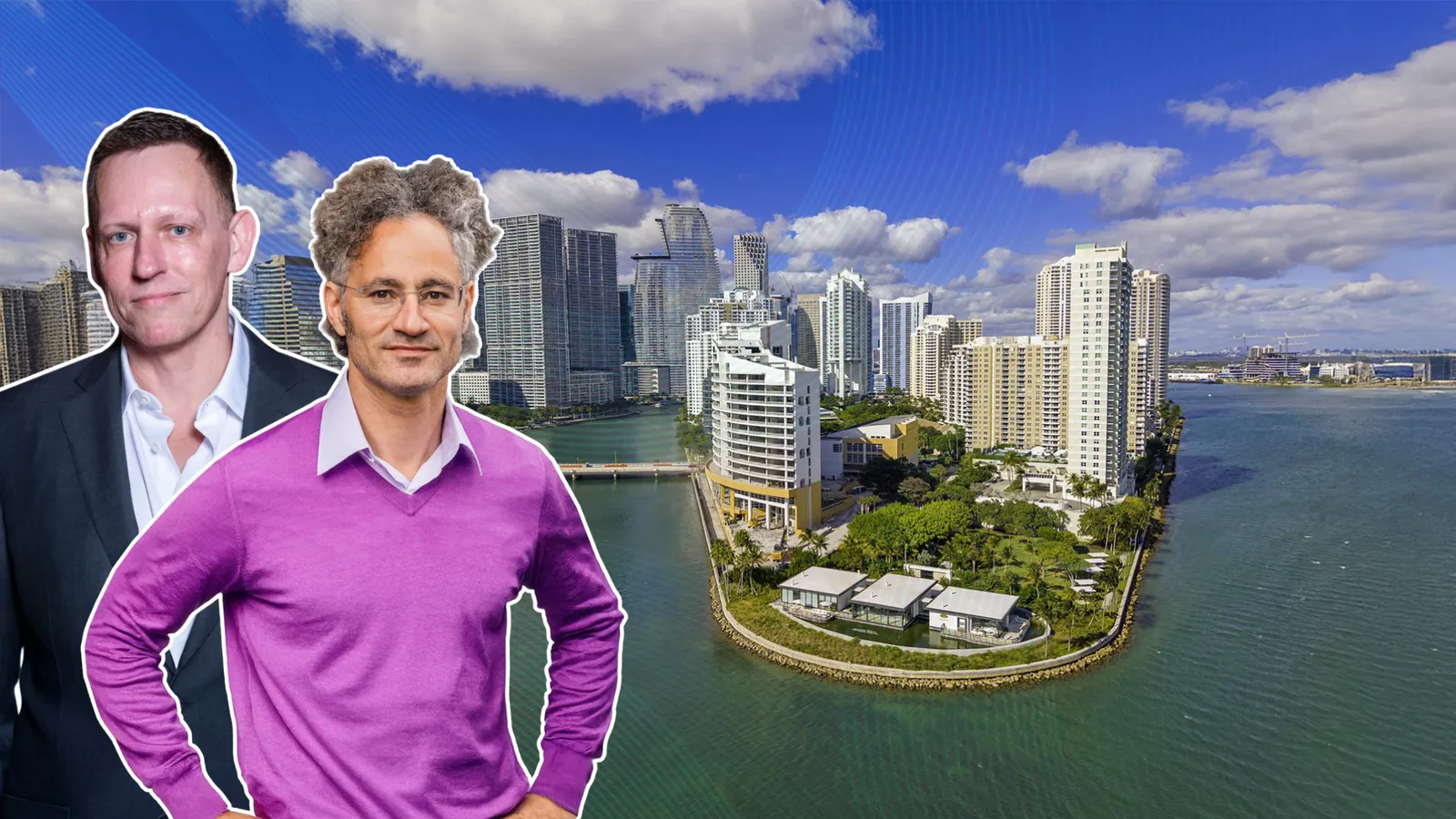
Palantir Moves Headquarters to Miami From Denver
Traded Media

Traded Editorial
Key Points
• Palantir shifts headquarters from Denver to Miami
• Move adds to wave of tech and finance firms entering South Florida
• Billionaires backing campaign to recruit more executives
• Strengthens long term office and multifamily demand outlook
The Bigger Capital Shift
High-profile capital has been laying the groundwork for years. Ken Griffin relocated Citadel’s headquarters to Miami in 2022. Stephen Ross has invested heavily in West Palm Beach office development. Together, they are funding a $10 million campaign aimed at attracting more founders and investors to the region. Meanwhile, Peter Thiel, Palantir’s chairman, has expanded his presence in Miami, adding office space for his private investment firm in Wynwood and deepening his Florida footprint. This is a coordinated migration driven by tax policy, capital, and long-term positioning.
Office and Housing Implications
Miami’s office market has outperformed many legacy gateway cities in the post pandemic cycle, particularly in Brickell and Wynwood. Trophy assets have shown rent resilience while markets like San Francisco continue to struggle with elevated vacancy. Corporate headquarters relocations create sustained leasing demand. They also drive executive-level housing demand, luxury condo absorption, and retail spending power. For multifamily and mixed-use landlords, that means durable tenant pipelines tied to real payroll growth.
Why It Matters
Each public company that relocates strengthens Miami’s case as a permanent business hub rather than a temporary pandemic trade. The city is no longer just attracting hedge funds and crypto firms. It is landing established technology companies with global operations. For Florida investors, the trend line remains clear. Capital, executives, and companies are choosing South Florida. Real estate demand tends to follow capital flows. Miami continues turning migration headlines into tangible CRE fundamentals.