

Jun 8, 2026
"Other People's Fun Is Our Business": Inside Best Nights VC, Jägermeister's Bet on the Future of Nightlife
Lorrain de Silva runs Jägermeister’s venture arm with one filter: online-to-offline, or nothing. Four years and 120 million “best nights” later, the bet is paying off.

Traded Media

Traded Editorial
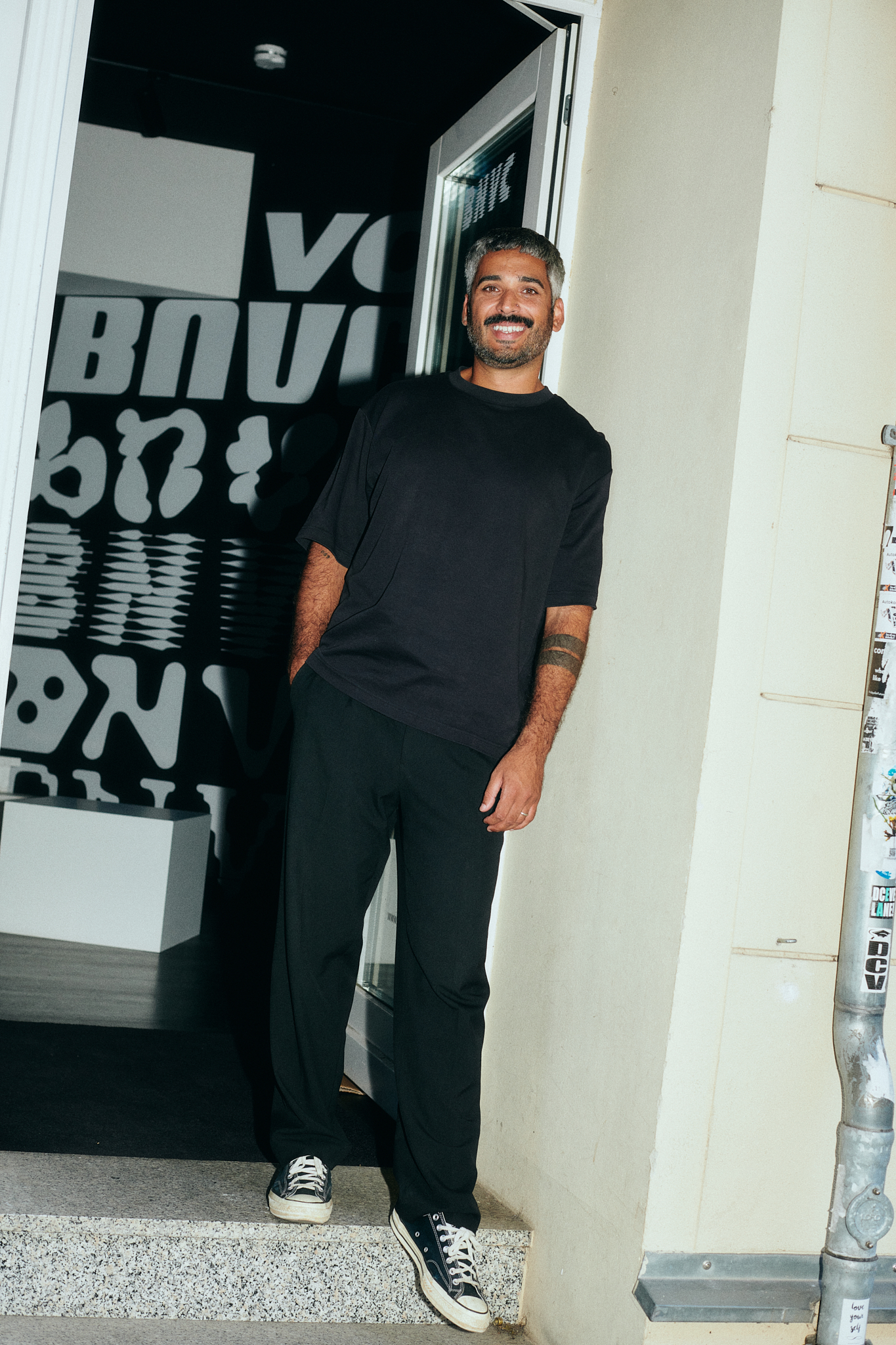
When Lorrain de Silva started pitching Best Nights VC in December 2021, the reaction was a room full of raised eyebrows. “When we started, everybody was nodding their heads and asking, ' What are these guys doing and ' How do they want to earn money? ' and ' Is this really a VC?” de Silva told TradedVC.
Four years later, the question has answered itself. Best Nights VC, the corporate venture arm of a 120-year-old, family-owned spirits company Jägermeister, has built a portfolio of 20 companies across four continents and is run by a six-person team out of a single office in Berlin. Its portfolio companies generated 45 million real-world social experiences in 2025 alone, and nearly 120 million across the fund’s lifetime.

“I always tell my team, guys, we are the global number one investor within that industry. But nobody knows. That’s the big problem.”
This interview is an attempt to fix that.
The thesis: online to offline, or nothing
Best Nights VC has one filter, and it is absolute.
“For us, tech should be the route from online behavior into offline interaction. If it brings people together to meet in real life, we are interested. And if it’s not bringing people together in real life, we are not investing.”
The fund evaluates every company against three questions: does the product increase physical gatherings, does it strengthen communities, and does it improve the quality of real-world interaction. Digitizing nightlife is not enough on its own.
“We look for measurable real-world impact,” de Silva said. The name itself is the mandate. Best Nights translates into four goals the fund wants to push across the nighttime economy: more quality, more quantity, more diversity, and more sustainability in how people go out.
The origin story: a career that became a fund
Best Nights VC is, in de Silva’s framing, the sum of his entire résumé. He started in nightlife to pay for school, working as a waiter, runner, and bartender before becoming a promoter, running his own recurring events that drew roughly 1,000 guests. While studying business administration, he moved agency-side, running experiential marketing on festivals for brands like BMW and Philip Morris. After graduating, he joined MTV Networks in Berlin, where he worked on the European Music Awards and MTV Unplugged. Then he built and sold his own startup, learning the full founder cycle. That led him into venture capital, where he spent seven years setting up a VC firm and a fund of funds inside a bank.
COVID forced a reckoning. “I asked myself, am I doing what I always wanted to do? And for me it was a clear maybe, or rather no,” he said. He left the bank and pitched Jägermeister an idea.
“This venture capital firm is exactly the reflection of my journey. So I can apply the tools I learned in financial services to a sector I identify with the most, which is the cultural and creative economy.”
Jägermeister, he notes, is a company that “iterates decade after decade and reinvents itself.” The pitch was a question: what will the next 100 years of socializing look like, and what infrastructure should Jägermeister own to help shape them?
De Silva is blunt that the fund operates like a startup itself. “Working for Best Nights VC is working for a startup. Our niche approach faces the same struggles as an early-stage startup. But our product is funding.”
The KPI: best nights created
Most corporate venture funds wrestle with a dual mandate of strategic value versus financial return. Best Nights VC resolves it with a single metric.
“At Best Nights VC, financial returns follow impact on nightlife culture,” de Silva said. The fund’s core KPI is the number of “best nights created,” meaning how many people are routed offline to real events because of a portfolio company’s product.
The numbers: 17 portfolio companies generated 45 million best nights in 2025. The four-year total is close to 120 million. The target is 100 million every year.

“If the portfolio companies move this amount of people, we can make sure the industry where Jägermeister operates is healthy, mature, developing, and progressing. Long-term strategic alignment and financial performance are not opposites. They reinforce each other.”
That mandate, to invest beyond Jägermeister’s core business, is what de Silva calls the fund’s real edge. “If you can allow yourself to bet on an alternative horse that is also very promising and really innovative, that goes back to the roots of venture capital itself.”
The model: infrastructure, not unicorns
Best Nights VC does not chase the typical venture outcome. “We don’t chase unicorns. Our ventures don’t offer the typical VC hockey stick growth,” de Silva said. “Our portfolio typically generates cash quite early. Our businesses grow more slowly but are more sustainable.”
The fund also does not bet on individual venues or festivals. It buys the layer underneath them. “We don’t invest in one club or in one festival. We invest in the infrastructure of it,” de Silva said. That means venue and event tools for organizers, ticketing systems, discovery platforms, and community-driven IRL platforms.
“Building communities online, routing them offline, discovering what is going on, accessibility through ticketing, and the experience itself through venue tools.”
He sees the broader opportunity as wide open. The entertainment sector is a multi-billion-dollar industry served by only a handful of dedicated VC firms. “This is a missed opportunity, in my opinion.”
The macro backdrop helps. “In a hyper-digital world, real-life gatherings have become a premium,” de Silva said. “We’re facing a loneliness pandemic. Affordable, high-quality physical experiences are underserved.”
The founders: hybrids only
Best Nights VC backs a specific kind of operator. “We’re looking for hybrid founders, people with deep cultural understanding, ideally earned within the culture, but also strong business discipline,” de Silva said. “A community without financial stability isn’t sustainable.”
That hybrid standard applies to his own team, too. “Everybody in my team, like myself, is considered a hybrid. We love to party, we love business, we love to go out, we love hangovers, but we also love performance.”
His framing of the fund’s whole reason for being is sharper than any deck line:
“Other people’s fun is our business. And we understand other people’s fun because we love to have fun.”
The emerging markets agenda
De Silva is most animated when the conversation turns to Africa, Latin America, India, and Southeast Asia.
“What makes these markets so special is strong social demographics. Large and young populations, a fast-growing middle class, paired with high cultural momentum,” he said. “Afro house, amapiano, and reggaeton are dominating the global charts. Bad Bunny, an album that is 100 percent Spanish, at the Grammys and the Super Bowl. This becomes the norm.”
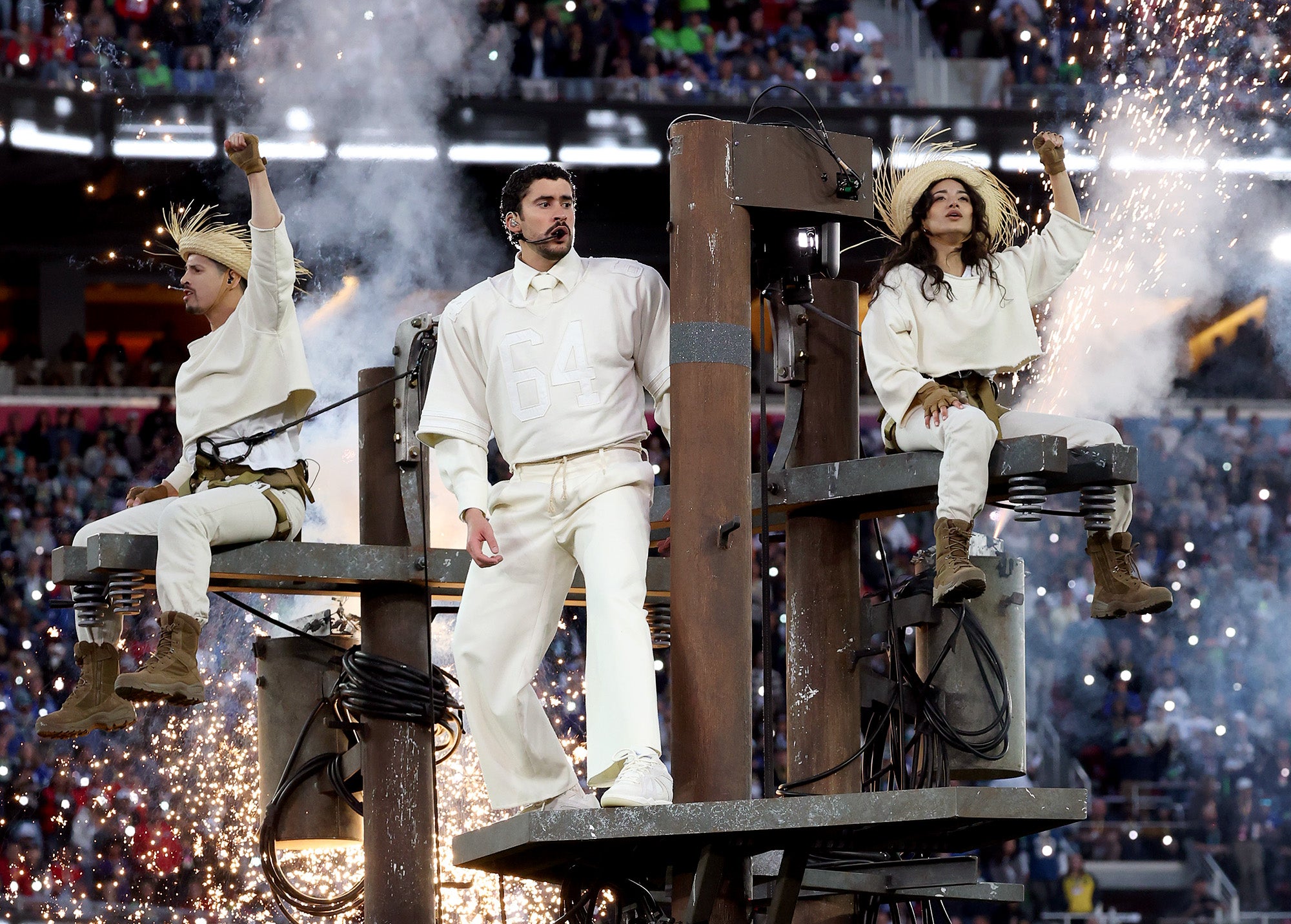
These markets also leapfrog technologically. Founders there build mobile-first and full-stack. “If you organize an event in the US or Europe, you deal with 10 to 15 service providers. Founders over there can build full-stack, combine it in one tool, and you have a one-stop shop.”
The fund has acted on it. Hustle Sasa, based in Nairobi, scaled into six additional markets after Best Nights VC invested. Mad Monkey, registered in Singapore, operates across seven countries from Bali to Vietnam.
“My personal wish is to have at least one emerging market investment per year, so we can grow slowly but build a global portfolio.”
The portfolio lesson: Thursday
Asked which portfolio company changed how he thinks, de Silva pointed to Thursday, the UK dating company. Thursday launched during the Tinder era but with a contrarian hook: the app only works one day a week. Use your phone less, and lock in a date for Thursday night. Over time, it pivoted from dating into a full event platform, now hosting events in 180 cities.

“This changed my perspective. People crave community, and this tech platform allowed them to pivot into that and scale it into an event platform. It shows how dating can evolve into a broader social infrastructure.”
The advice: funding is a commodity
De Silva’s closing message to founders runs counter to the usual fundraising obsession. “Funding is a commodity. There is enough dry powder out there. Finding the right investor for your business model is what counts these days,” he said. “If an investor knows what he does and can support you beyond the financial services, that’s super important.”
And on a personal level: “Be brave enough to allow yourself to follow fun. It becomes a professional career. Everybody should do that.”
For founders building in nightlife, live entertainment, or real-world social connection, de Silva is reachable directly on LinkedIn. The Berlin office has a standing policy printed on the door: open doors for open minds. “It’s never locked. You can just come in and ask us anything. We have a lunch, a drink, or a shot, of course.”
TradedVC covers the founders and firms building the future of culture, capital, and community. Follow @TradedVC on Instagram, LinkedIn, and X.
This article is based on an interview conducted by TradedVC. Quotes have been edited for length and clarity.