

May 21, 2026
NYC Developers Increasingly Target 99-Unit Projects

Traded Editorial
- Developers are continuing to file plans for 99-unit residential buildings across New York City’s outer boroughs.
- The filings reflect a growing strategy tied to New York’s updated affordable housing tax incentive structure.
- Andrea Gjini filed plans for one of the latest projects in the Bronx.
What the New 99-Unit Projects Include
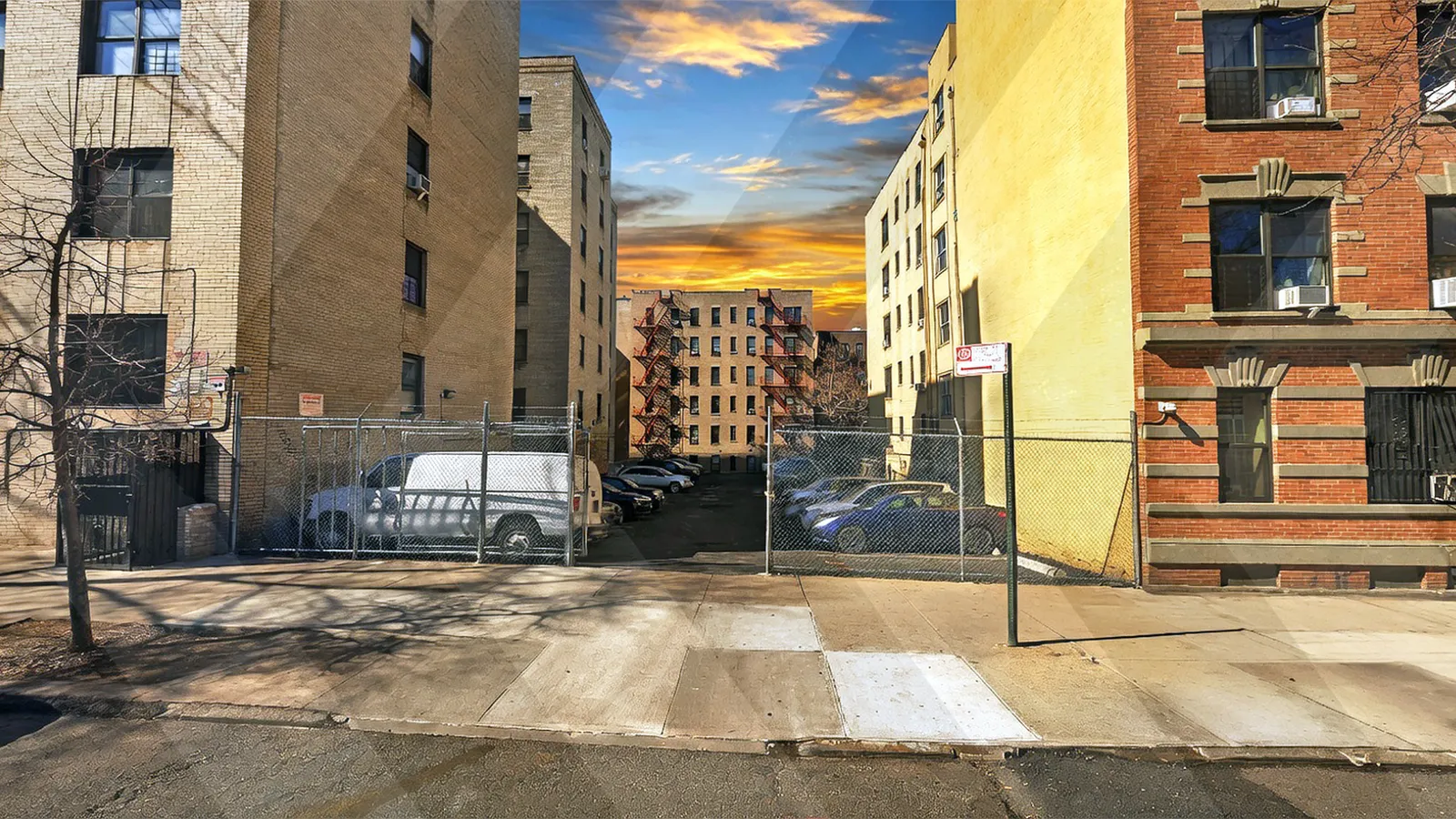
Another wave of 99-unit residential developments is being proposed across New York City’s outer boroughs as developers continue adjusting project sizes around the city’s evolving affordable housing regulations. One of the latest filings comes from Andrea Gjini, who submitted plans for a 12-story, 99-unit residential building at 1917 Morris Avenue in the Mount Hope section of the Bronx. The new filings continue a broader trend where developers intentionally structure projects just below the 100-unit threshold.
What Is Driving the 99-Unit Trend
Developers across New York City have increasingly pursued 99-unit buildings following the implementation of new affordable housing tax incentive programs and regulatory requirements. Crossing the 100-unit threshold can trigger additional affordability obligations, labor standards, construction requirements, and financial considerations that significantly impact project economics. As a result, many developers are designing projects to maximize density while avoiding the added costs tied to larger developments.
What This Means for Outer Borough Development
The Bronx, Brooklyn, and Queens continue seeing strong residential development activity as housing demand remains elevated and available development sites in Manhattan become increasingly limited. Outer borough neighborhoods have become especially attractive for mid-rise apartment projects because of zoning opportunities, transit access, and comparatively lower land acquisition costs. Developers are also responding to ongoing pressure from city officials to increase housing production while balancing rising construction costs and financing challenges.
What This Says About New York Housing Policy
The growing number of 99-unit filings highlights how developers often adapt quickly to changes in tax incentives, affordability mandates, and zoning regulations. Critics argue the trend could limit the number of affordable units ultimately delivered citywide, while developers contend that project feasibility remains difficult under rising labor and construction expenses. The pattern also reflects the increasingly complex relationship between public housing policy and private real estate development economics in New York City.
What the Trend Could Mean for Future Development
If the filing pattern continues, New York City could see more mid-sized apartment developments strategically designed around regulatory thresholds rather than larger-scale housing projects. The trend may also intensify ongoing debates around affordable housing policy, construction incentives, and whether current regulations are encouraging or limiting broader housing production across the city.